


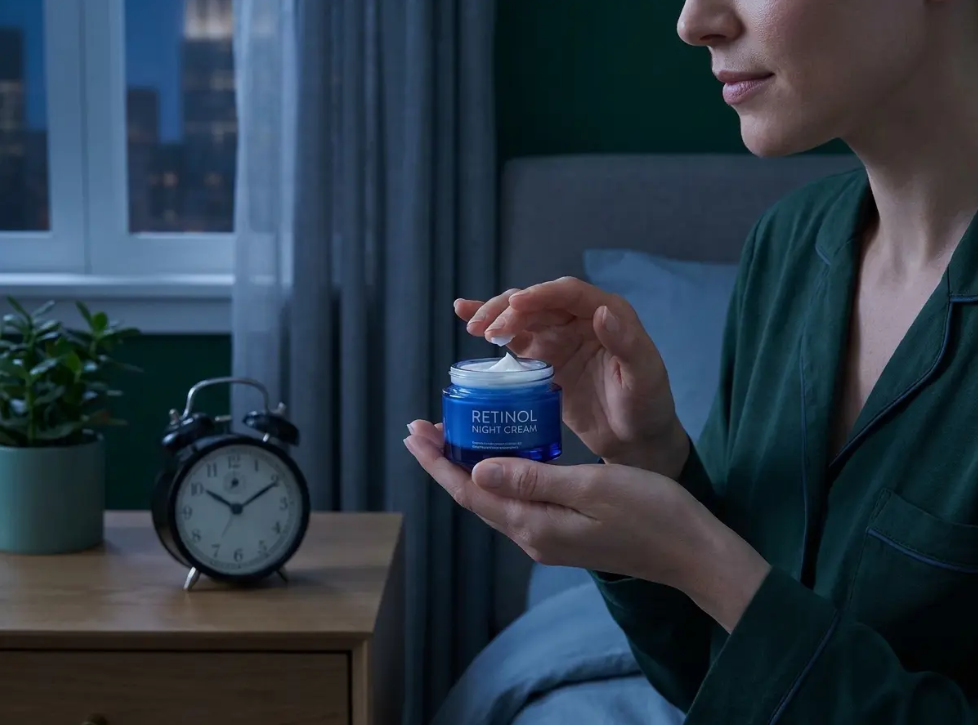
Skin regeneration naturally slows down as we age, leading directly to fine lines, dullness, and uneven surface texture. Have you ever wondered why board-certified dermatologists constantly praise this specific ingredient for long-term facial rejuvenation? A high-quality retinol night cream offers a scientifically proven method to address these visible signs of aging while your body repairs itself at night. By incorporating this potent vitamin A derivative into your evening skincare routine, you can effectively target deep wrinkles and improve overall skin texture. This essential night cream for face serves as the cornerstone of a modern anti-aging strategy for those seeking professional results at home.
Retinol operates at a fundamental cellular level to completely change how your skin behaves and repairs itself overnight. Once applied to the outer epidermis, specialized enzymes in your skin slowly convert the retinol into active retinoic acid. This powerful active compound binds to specific cellular receptors, prompting your skin cells to turn over much faster than their normal biological cycle. This dermatologist recommended ingredient remains the gold standard for non-prescription anti-aging treatments across the globe, providing unparalleled retinol benefits for all ages.
This highly accelerated renewal process effectively sheds dead surface cells to reveal significantly smoother, healthier skin underneath. Furthermore, retinol directly stimulates the continuous collagen production and elastin synthesis deep within the dermal layer. These two essential structural proteins provide the necessary fundamental support to keep your skin remarkably firm and resilient against daily environmental stressors. Consistent use helps to thicken the deeper layers of the skin where wrinkles typically begin to form, ensuring a more youthful and vibrant appearance.
Research published by the American Academy of Dermatology clearly demonstrates that consistent use of topical retinoids visibly reduces fine lines and wrinkles. Advanced night creams formulate this powerful active ingredient alongside soothing hydrating compounds to actively counteract any potential skin irritation. While prescription-strength retinoids offer much faster results, over-the-counter retinol night cream options provide a significantly gentler alternative for long-term daily maintenance. Modern anti-wrinkle cream formulations now utilize stabilization techniques that preserve the integrity of the molecule for maximum clinical potency.
The history of Vitamin A in clinical dermatology spans several decades, evolving from a simple acne treatment to a comprehensive rejuvenation tool. Scientists originally discovered that patients using retinoic acid for breakouts also experienced a significant reduction in sun damage and age spots. This discovery paved the way for the development of the sophisticated night moisturizer products we see on the market today. By understanding the molecular pathway of these retinoids, consumers can make more informed decisions about their personal skincare routine.
- Retinol accelerates cellular turnover to reveal significantly smoother and healthier skin.
- Consistent application directly stimulates the production of essential collagen and elastin proteins.
- Over-the-counter formulas provide an excellent and gentle method for long-term anti-aging maintenance.
Why Nighttime is the Best Time for Your Retinol Night Cream Skincare Routine
Applying your vitamin A products in the evening is not merely a suggestion; it is a biological necessity for several critical reasons. First and foremost, retinol is notoriously photosensitive, meaning it breaks down and loses its clinical efficacy when exposed to direct sunlight. By using a retinol night cream, you ensure the active molecules remain stable and effective throughout the entire absorption process. This evening skincare habit protects your investment and ensures the anti-wrinkle cream performs as intended.
Furthermore, your skin naturally enters a state of repair and regeneration while you sleep, making it more receptive to active treatments. During the night, the skin’s permeability increases, allowing deeper penetration of anti-aging ingredients like peptides and retinoids. This synchronized timing leverages your body’s natural circadian rhythms to maximize the visible improvements in fine lines and overall skin health. Your night moisturizer works in harmony with the body’s peak metabolic activity to repair environmental damage sustained during the day.
Finally, the increased cell turnover triggered by retinol can make the skin temporarily more vulnerable to UV damage. Applying the product at night allows the initial cellular response to occur in a protected environment, away from the sun’s harsh rays. This strategic application, followed by a broad-spectrum sunscreen the next morning, provides the safest and most effective path to skin rejuvenation. Many experts also note that the skin’s pH levels fluctuate at night, creating an optimal environment for retinol for beginners to begin the conversion process.
Choosing the Right Retinol Night Cream Concentration to Target Wrinkles
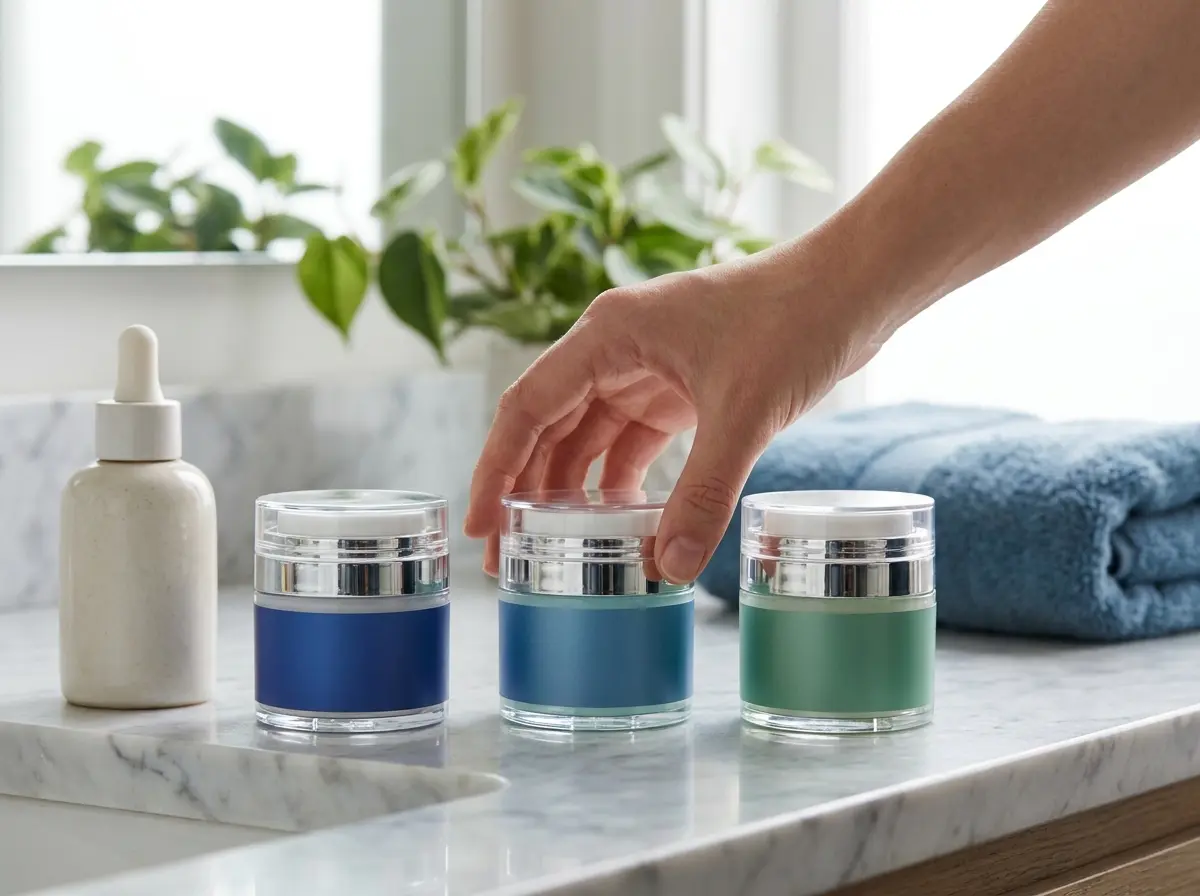
Are you unsure which specific strength to purchase for your very first anti-aging product? Retinol for beginners should always start with a relatively low concentration, typically ranging from 0.1 percent to 0.3 percent active ingredient. This lower initial dose allows your skin to gradually build biological tolerance over several weeks without experiencing excessive peeling or compromising your skin barrier. Taking a “low and slow” approach is the most effective way to ensure long-term compliance with your skincare routine.
Intermediate users who have successfully tolerated these lower doses can safely graduate to a standard 0.5 percent formulation. This mid-range strength consistently delivers far more noticeable improvements in overall skin texture, uneven tone, and structural firmness. You should consider a 1.0 percent clinical-strength product only if your skin demonstrates complete and total comfort with intermediate formulas and requires more aggressive wrinkle reduction. High-concentration retinol night cream products are potent tools that require respect and careful monitoring of the skin’s reaction.
The specific formulation vehicle matters just as much as the printed active percentage on the product label. Encapsulated retinol releases the active ingredient very slowly over several hours, effectively minimizing the sudden chemical shock to your skin. Selecting the appropriate strength ultimately prevents severe irritation and strongly supports your long-term compliance with a consistent skincare routine. Always remember that a higher percentage does not always mean better results if your skin cannot tolerate the frequency of application required for success.
Apply a thin layer of basic moisturizer before your retinol, and another layer immediately after. This “sandwich method” drastically reduces irritation without compromising the anti-aging benefits of the active ingredient, making it perfect for sensitive skin.
The Best Retinol Night Cream Formulation for Sensitive Skin and Other Types
Different skin types require distinct formulation vehicles to maximize anti-aging benefits while simultaneously minimizing adverse physical reactions. Individuals with oily or highly acne-prone skin typically prefer lightweight lotions or fast-absorbing gel-based retinol night cream products. These surprisingly thinner textures absorb rapidly into the epidermis without unnecessarily clogging pores or exacerbating excess daily sebum production. A gel-based night cream for face can provide the necessary skin rejuvenation without the heavy feel of traditional creams.
Conversely, naturally dry and mature skin types benefit significantly from rich, emollient-heavy cream formulations applied before bed. These heavier products often contain nourishing shea butter, squalane, or hyaluronic acid to permanently lock in essential surface moisture. The carefully added lipids create a protective physical seal over the skin barrier, preventing harmful transepidermal water loss while the retinol works to stimulate collagen production. For these users, the night moisturizer acts as both a treatment and a protective blanket for the skin.
Highly sensitive skin requires the most careful and deliberate consideration when selecting a nighttime vitamin A product. You should actively look for gentle formulas containing encapsulated retinol, which delivers the potent active ingredient gradually over several hours. This advanced time-release technology prevents sudden spikes in cellular activity, dramatically reducing the likelihood of experiencing severe facial redness or inflammation. Choosing a retinol night cream specifically labeled for sensitivity can help you achieve anti-aging goals without the typical discomfort.
How to Apply Retinol Night Cream Correctly to Improve Skin Texture
Proper application technique drastically reduces adverse side effects while fully maximizing the anti-aging benefits of your chosen product. Many frustrated people abandon their regimen simply because they apply the powerful cream incorrectly and experience completely avoidable severe irritation. Establishing a careful, highly systematic nighttime skincare routine actively helps your skin adapt safely to these potent active ingredients. Learning how to use retinol correctly is the first step toward achieving a radiant and smooth complexion.
Proper Nighttime Application Routine
Cleanse and Dry Completely
Wash your face thoroughly with a gentle cleanser and wait ten full minutes before proceeding. Applying strong active ingredients directly to damp skin significantly increases absorption rates and often leads to severe irritation and skin barrier damage.
Dispense a Pea-Sized Amount
Squeeze a very small, strictly pea-sized amount of product directly onto your clean index finger. Using significantly more cream will not accelerate your results, but it will massively increase your risk of painful peeling and fine lines appearing more prominent due to dehydration.
Distribute and Moisturize
Gently massage the cream across your entire face, carefully avoiding the delicate skin immediately around your eyes and lips. Follow up generously with a restorative moisturizer containing hyaluronic acid to physically lock in hydration and strongly support your delicate skin barrier.
Managing Retinol Night Cream Side Effects for a Healthy Skin Barrier
The difficult initial adjustment period, commonly called retinization, frequently causes temporary flaking, noticeable redness, and mild overall sensitivity. This highly predictable reaction occurs precisely because the active ingredient strongly pushes your skin cells to shed faster than usual. Your delicate skin barrier generally requires about four to six full weeks to properly adapt to this accelerated cell turnover rhythm. Understanding the difference between normal “purging” and actual chemical irritation is vital for your skincare routine success.
During this sensitive phase, you must strongly resist the persistent urge to scrub away flaking skin with harsh physical exfoliants. Instead, focus heavily on continuous barrier support by applying rich, highly restorative moisturizers multiple times throughout the day. If the facial irritation becomes genuinely painful or severe, decrease your retinol night cream application frequency to just once or twice a week until the skin stabilizes. This patient approach ensures you achieve skin rejuvenation without causing long-term damage to the epidermis.
Consistent daily sun protection becomes absolutely critical and non-negotiable when using any form of topical vitamin A. Retinol constantly exposes fresh, highly vulnerable new skin cells that are incredibly susceptible to damaging ultraviolet radiation from the sun. The Skin Cancer Foundation strongly recommends applying a broad-spectrum sunscreen with SPF 30 or higher every single morning without fail to prevent premature wrinkles. Failure to protect your skin during the day can negate all the retinol benefits you achieve during the night.
Never apply chemical exfoliants like glycolic acid or salicylic acid on the exact same night as your retinol. This highly aggressive combination will strip your skin barrier entirely and cause severe chemical burns or lasting inflammation, especially on sensitive skin.
Ingredients to Pair with Retinol Night Cream for Collagen Production
Formulating a completely safe skincare routine requires a thorough scientific understanding of how different active ingredients interact chemically. Combining highly incompatible products can easily destroy your protective skin barrier and trigger severe, long-lasting inflammatory responses. You should strictly avoid applying strong alpha hydroxy acids or beta hydroxy acids on the exact same nights you use your retinol night cream. Instead, alternate these treatments to ensure your anti-aging efforts remain productive and safe.
Similarly, most board-certified dermatologists strongly advise against mixing pure vitamin C serums directly with retinoids in the same application. Vitamin C generally requires a highly acidic, low pH environment to remain stable, while retinol operates much better at a neutral pH. The most effective overall strategy involves applying your protective antioxidant vitamin C serum exclusively during your morning routine to fight free radicals. This separation allows each anti-wrinkle cream component to function at its maximum biological capacity.
Conversely, certain deeply hydrating ingredients work beautifully and synergistically with vitamin A to noticeably improve your overall anti-aging results. Niacinamide actively stimulates natural ceramide production, which significantly strengthens the skin barrier and reduces the frustrating inflammation commonly associated with retinoids. Look for restorative night creams that purposefully incorporate these highly supportive ingredients directly into the main formula. Peptides are another excellent addition, as they provide the building blocks for collagen production alongside the retinol stimulus.
- Separate your active chemical exfoliants and your retinoids into entirely different evening routines.
- Apply vitamin C exclusively in the morning to prevent chemical deactivation and severe irritation.
- Pair your night cream with niacinamide and ceramides to significantly boost barrier repair.
Retinol Night Cream vs. Prescription Retinoids for Fine Lines
Understanding the chemical hierarchy of vitamin A derivatives is essential for choosing the right product for your specific skin concerns. Prescription retinoids, such as Tretinoin or Adapalene, contain pure retinoic acid that the skin can utilize immediately upon application. While these clinical-strength options offer rapid results for severe acne and deep wrinkles, they also carry a much higher risk of intense irritation and peeling. Many patients find that the transition to prescription strength requires a very disciplined skincare routine.
In contrast, an over-the-counter retinol night cream contains a precursor that must be converted by the skin’s enzymes into retinoic acid. This multi-step conversion process acts as a natural “speed limiter,” delivering the active benefits more slowly and gently over time. For most individuals seeking general anti-aging benefits and improved skin texture, this slower approach is far more sustainable for long-term use. It allows for the retinol benefits to accumulate without the social downtime often associated with clinical peels.
Recent advancements in skincare technology have also introduced retinaldehyde, which is only one conversion step away from retinoic acid. This intermediate option provides a middle ground for those who find standard retinol too weak but cannot tolerate prescription-strength formulas. Regardless of the specific derivative you choose, the key to success remains consistent application and a focus on maintaining a healthy skin barrier. Choosing the right night cream for face involves balancing potency with your skin’s unique tolerance levels.
Setting Realistic Expectations for Retinol Night Cream Anti-Aging Results
Effective skincare absolutely requires patience, and vitamin A derivatives operate strictly on a long-term biological timeline. How long does it actually take to see a truly noticeable difference in your facial appearance? During the very first month, you might actually experience a highly frustrating temporary worsening of your skin texture due to cellular purging and the initial retinization phase. This is a normal part of the skin rejuvenation process and should not be a cause for alarm.
Most long-term clinical studies indicate that genuinely visible improvements in fine lines require at least twelve full weeks of highly consistent use. A comprehensive medical study published in the Journal of Cosmetic Dermatology confirms that significant collagen production and dermal thickening often peak after six months of regular application. You must view your retinol night cream as a long-term investment in your skin’s future rather than an overnight miracle cure. Lifestyle factors such as adequate sleep and hydration also play a supporting role in how quickly you see results.
Over time, you will notice a gradual brightening of the complexion, a reduction in the appearance of pores, and a smoother surface feel. Hyperpigmentation and sun spots will begin to fade as the accelerated cell turnover brings fresh, evenly pigmented cells to the surface. Maintaining a realistic perspective will help you stay committed to your skincare routine even during the initial weeks when progress seems slow. The cumulative effect of a quality anti-wrinkle cream is what eventually leads to that sought-after “retinol glow.”
FAQ: Everything You Need to Know About Retinol Night Cream
Many users have specific questions regarding the safe and effective use of vitamin A in their daily lives. One common inquiry is whether a retinol night cream can be used around the delicate eye area to treat crow’s feet. While some specialized formulas are designed for this purpose, standard facial creams may be too strong for the thin skin around the eyes; always look for a dermatologist recommended eye-specific retinoid for this region to avoid severe sensitive skin reactions.
Another frequent question involves the appropriate age to begin using anti-aging products like retinol. Most experts suggest that the mid-to-late twenties are an ideal time to start, as this is when natural collagen production begins its gradual decline. Starting early can act as a preventative measure, slowing the formation of fine lines before they become deeply etched into the skin. Retinol for beginners in their twenties focuses more on prevention and texture refinement than deep wrinkle repair.
Finally, users often ask if they should apply their retinol night cream to their neck and chest areas. The answer is a resounding yes, as these areas are frequently exposed to the sun and show signs of aging just as quickly as the face. However, because the skin on the neck is thinner and has fewer oil glands, you should use a smaller amount and increase frequency more slowly to avoid irritation. A dedicated night moisturizer for the neck can also be used to supplement your skincare routine.
Conclusion
In conclusion, finding the best retinol night cream for your specific needs requires a blend of scientific understanding and personal experimentation. By starting with a low concentration and prioritizing skin barrier health, you can enjoy the transformative benefits of this powerful ingredient without unnecessary irritation. This dermatologist recommended approach ensures that your skincare routine remains both effective and sustainable for years to come. Whether you choose a night cream for face or a specialized serum, consistency is the ultimate key to success.
Remember that the journey to smoother, more youthful-looking skin is a marathon, not a sprint, and consistent application will yield the most significant rewards over time. Whether you are targeting deep wrinkles, improving skin texture, or simply seeking a healthy glow, retinol remains the most reliable tool in your anti-aging arsenal. Commit to the process, protect your skin from the sun, and let the science of vitamin A work its magic while you sleep. Your future self will thank you for the dedication you show to your evening skincare today.


