


Retinol cream currently stands as one of the most thoroughly researched topical ingredients in modern dermatology today. Medical professionals consistently recommend this powerful vitamin A derivative for its proven ability to accelerate cellular turnover and promote skin rejuvenation. Have you ever wondered why dermatologists consider this specific chemical compound a mandatory addition to an effective anti-aging skincare routine?
When you apply retinol cream, specialized enzymes in your skin convert the retinol into active retinoic acid. This active compound binds to specific receptors on your skin cells to accelerate their natural shedding process. A study published in the National Library of Medicine confirms that topical retinoids significantly improve cellular proliferation rates.
Instead of just sitting on the surface, the active ingredients penetrate deep into the lower dermis layer. This chemical stimulation prompts your body to generate fresh, healthy cells at a much faster rate than usual. As new cells push to the surface, older, damaged cells slough away to reveal much smoother skin texture.
The resulting boost in collagen and elastin production directly targets the most common visible signs of aging, making it the best retinol for wrinkles. Over several weeks of consistent use, you will likely notice a reduction in fine lines and wrinkles. This biological mechanism explains why medical experts consider retinol cream a foundational element of preventative skincare regimens.
Start with a low concentration like 0.25 percent, which is often considered the best retinol for beginners to minimize irritation. Apply the cream just two nights a week during your first month before increasing the frequency gradually.
Choosing Your Vitamin A Derivative: Comparing Retinol Cream, Retinaldehyde, and Tretinoin
Consumers often confuse the various forms of vitamin A currently available on the commercial skincare product market. Retinol requires a complex two-step conversion process within the skin before it becomes fully active retinoic acid. Because of this conversion, it offers a gentler approach that causes fewer adverse reactions for skincare beginners compared to other topical retinoids.
Retinaldehyde sits one step closer to retinoic acid and requires only a single conversion step for activation. This makes retinaldehyde act faster than standard retinol, though it carries a slightly higher risk of irritation. Many premium brands utilize this ingredient for consumers who want faster results without visiting a medical doctor.
Tretinoin represents the pure, active form of retinoic acid available exclusively through a certified medical professional prescription. Your skin does not need to convert tretinoin, meaning the biological effects begin immediately upon surface application. Medical professionals usually prescribe this highly powerful formulation for treating severe cystic acne or advanced photoaging signs.
Dermatologist-Recommended Routine: How to Use Retinol Cream for Maximum Results
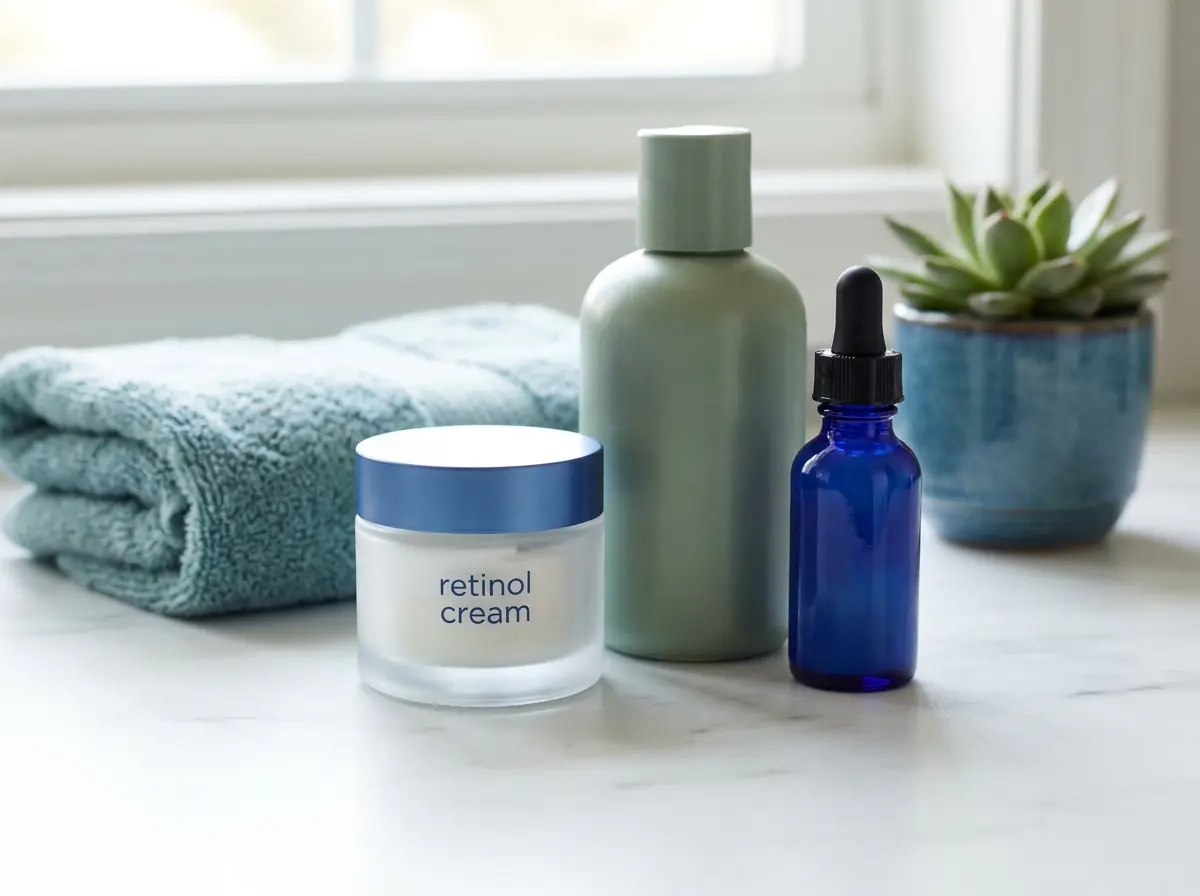
Proper application techniques heavily dictate how well your face tolerates this highly potent active skincare ingredient nightly. Applying the product incorrectly often leads to unnecessary redness, aggressive flaking peeling, and severely compromised skin barriers. Following a strict application protocol helps minimize these side effects while maximizing the long-term anti-aging skin benefits of your night cream.
Many enthusiastic people make the critical mistake of using too much product during their initial evening application. A standard pea-sized amount provides enough coverage for your entire face without overwhelming your delicate skin barrier. You should always wait until your face is completely dry before applying the cream to prevent absorption.
How to Apply Retinol Cream
Cleanse and Dry Thoroughly
Wash your face with a gentle cleanser and pat it completely dry with a soft, clean towel.
Apply a Pea-Sized Amount
Dispense a small drop of retinol cream onto your clean fingertip for the entire facial application process.
Follow with a Heavy Moisturizer
Wait five minutes for the active ingredient to absorb fully into your skin before moving forward. Apply a thick layer of hydrating moisturizer to protect your skin barrier overnight and prevent water loss.
Skin Texture and Potency: Finding the Best Retinol Cream Concentration
Selecting the appropriate strength prevents severe irritation and helps you maintain consistency with your new evening routine. Skincare brands formulate retinol cream in various concentrations ranging from low doses up to 1.0 percent. Your specific skin type should strictly dictate your starting point when choosing the best retinol cream for your needs.
If you have sensitive skin, lower concentrations around 0.25 percent provide a highly safe introduction to retinoids. These milder formulas still deliver excellent long-term benefits without causing aggressive peeling or painful patches of redness. As your face adapts over several months, you can gradually move up to substantially stronger product formulations.
Best Over-the-Counter Anti-Aging Cream Options
Drugstore and premium skincare brands offer excellent over-the-counter retinol formulations designed specifically for everyday consumer use. These products typically feature encapsulated retinol, which releases the active ingredient slowly over several hours overnight. This time-release mechanism significantly reduces the chances of experiencing a compromised skin barrier during the sleeping hours.
Many of these accessible formulas also include soothing ingredients like ceramides, niacinamide, or deeply hydrating hyaluronic acid. These additions buffer the harsh effects of the retinol and provide necessary hydration directly to the epidermis. You can find comprehensive reviews of these specific products by visiting our skincare product guide.
Clinical Results: Prescription-Strength Alternatives
Dermatologists frequently prescribe much stronger retinoids for patients needing more dramatic results for their severe skin concerns. These prescription creams contain pure retinoic acid, meaning your face bypasses the chemical conversion step completely. Because the conversion step is bypassed, the visible effects appear immediately and act substantially more potent.
Medical professionals usually reserve these powerful options for treating severe cystic acne or advanced clinical sun damage. According to the American Academy of Dermatology, patients using prescription retinoids must carefully follow strict medical supervision. The increased potency demands strict adherence to application guidelines and rigorous sun protection protocols every single day.
- Retinol converts to retinoic acid to accelerate cellular turnover and significantly boost natural collagen production.
- Standard retinol requires a complex two-step conversion process, making it gentler than prescription tretinoin alternatives.
- Applying the cream to completely dry skin helps prevent severe irritation and persistent patches of redness.
Retinization and Recovery: Managing Retinol Side Effects and the Purge Phase
Almost everyone experiences a noticeable adjustment period when introducing a new retinol cream to their evening regimen. Dermatologists refer to this transitional phase as retinization, where users often encounter common retinol side effects like mild flaking. During this time, you might experience increased sensitivity and temporary patches of facial redness.
Some individuals also go through a distinct purge phase where breakouts temporarily increase in frequency and severity. Because retinol rapidly speeds up cell turnover, it brings underlying microcomedones to the surface much faster. While frustrating, this purging process actively indicates that the product is successfully clearing out your congested pores and eventually boosting collagen production.
To minimize discomfort during the initial retinization period, try the sandwich method for your evening skincare application. Apply a light layer of moisturizer, add your retinol cream, and finish with another thick moisturizer layer. This buffering technique dilutes the active ingredient slightly, making the adjustment phase much more tolerable for beginners.
Retinol makes your delicate skin highly sensitive to ultraviolet rays emitted by the sun during the day. You must apply a broad-spectrum SPF 30 or higher every morning to prevent severe photoaging damage.
Ingredient Synergy: Pairing Retinol Cream with Other Skincare Ingredients
Mixing potent active ingredients requires careful consideration to avoid severe chemical burns and permanent skin barrier damage. Retinol represents a highly reactive compound that does not always mix well with other strong skincare acids. Understanding ingredient compatibility helps you build a safe routine that delivers optimal results without causing physical harm to your skin texture.
Many eager consumers accidentally destroy their moisture barrier by layering too many active products simultaneously at night. Stripping the skin of its natural protective oils leads to chronic inflammation and prevents the retinol working. You must heavily prioritize hydration and barrier protection when structuring your evening skincare application schedule moving forward.
Ingredients to Avoid
You should never apply retinol cream on the exact same night as harsh alpha-hydroxy acids like glycolic. Beta-hydroxy acids like salicylic acid also create entirely too much cumulative irritation when mixed with topical retinoids. Using these chemical exfoliants together aggressively strips the skin barrier and often causes painful chemical surface burns.
Vitamin C represents another popular ingredient that generally conflicts with your evening retinol cream product applications. Because vitamin C strictly requires a low pH environment to function, mixing it with retinol destabilizes both. If you want to use both products, apply your vitamin C serum exclusively during your morning routine.
Synergistic Pairings
Hyaluronic acid serves as an absolutely excellent companion ingredient to use alongside your evening retinol cream application. This powerful humectant draws essential moisture into the skin, counteracting the severe drying effects of the vitamin. Applying hyaluronic acid to damp skin before your retinol dries provides a fantastic base layer of hydration.
Ceramides and peptides also pair beautifully with retinoids to support your overall skin health during the night. These structural ingredients help rebuild the compromised skin barrier and soothe any active patches of painful inflammation. Clinical research in the Journal of Drugs in Dermatology highlights that ceramides significantly improve patient tolerance levels.
How to Store Your Retinol Products Properly
To maintain the potency of your best retinol cream, you must store the container in a cool, dark environment away from direct sunlight. Exposure to heat and air causes the delicate vitamin A molecules to oxidize and lose their clinical effectiveness over time. Always ensure the lid is tightly sealed immediately after every use to preserve the integrity of the active ingredients.
Timeline for Visible Skin Improvements
Consistency remains the most important factor when waiting for visible results from your new anti-aging skincare routine. While some users notice a brighter complexion within weeks, significant changes in fine lines and wrinkles typically require three to six months of regular use. Your skin needs several full cellular turnover cycles to demonstrate the true transformative power of topical retinoids.
Conclusion
Integrating a high-quality retinol cream into your nightly regimen offers unparalleled benefits for long-term skin health and rejuvenation. By choosing the right concentration and following a dermatologist-recommended application process, you can achieve a smoother, more youthful appearance. Start slowly, prioritize hydration, and remain patient as your skin transforms through the power of vitamin A.


