


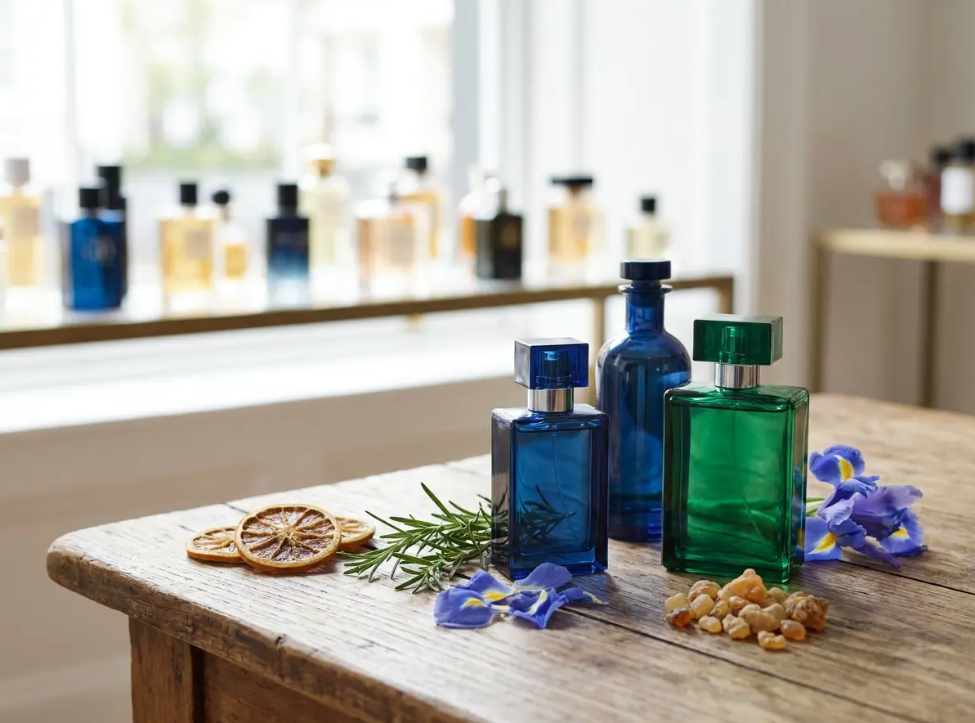
Luxury perfumes represent a multibillion-dollar industry that continues to experience rapid growth across the United States. High-end designer fragrances offer consumers a clear way to express their personal identity through carefully crafted scent profiles. Market research indicates that prestige fragrance sales have consistently outperformed mass-market alternatives in recent years.
The distinction between a standard cologne and a prestige fragrance goes far beyond the retail price tag. Artisanal perfumers spend years developing complex formulas using rare botanical extracts and advanced synthetic compounds. These premium creations often contain higher concentrations of fragrance oils, which translates directly to superior longevity and sillage.
Understanding the internal components of high-end perfumery helps buyers make highly informed purchasing decisions regarding their next signature scent. You will discover exactly how raw materials, extraction methods, and brand positioning influence the final retail cost of luxury perfumes. This comprehensive guide explores the fascinating mechanics behind prestige fragrances and provides practical advice for building your personal collection.
Every prestige fragrance relies on a carefully constructed pyramid of top, heart, and base fragrance notes. Top notes provide the initial impression but typically evaporate within the first fifteen minutes of application. Heart notes form the core identity of the perfume, while base notes anchor the scent for hours.
The concentration of fragrance oils directly dictates how long a scent will last on your skin. Eau de Parfum and Extrait de Parfum formats dominate the luxury category due to their impressive staying power. Extrait formulations often contain up to forty percent aromatic compounds, heavily justifying their premium retail positioning.
Master perfumers source raw materials from specific geographic regions to achieve exact olfactory profiles. Jasmine from Grasse, France, and vanilla from Madagascar command premium prices on the global commodities market. According to The Fragrance Foundation, sustainable sourcing of these delicate ingredients has become a major priority for top houses.
The solvent used to carry the fragrance oils plays an equally important role in the final product. Prestige brands typically utilize high-grade perfumer’s alcohol, which evaporates cleanly without leaving a harsh chemical odor. This premium solvent allows the delicate top notes to project beautifully during the initial application phase.
- High-end perfumes utilize a three-tier note pyramid to create evolving scent profiles.
- Higher oil concentrations like Extrait de Parfum provide superior longevity on the skin.
- Premium brands increasingly prioritize sustainable harvesting for rare botanical ingredients.
Designer Fragrances and Popular Notes: Top Fragrance Families and Trends in the US Market
The American market currently shows a strong preference for woody and oriental fragrance categories. Oud, a dark resin produced by the Aquilaria tree, has transitioned from a Middle Eastern specialty to a Western staple. Major design houses now feature at least one oud-dominant fragrance in their premium collections.
Gourmand fragrances continue to capture market share among millennial and Gen Z consumers across the country. These scents feature edible notes like caramel, roasted coffee, and bitter chocolate, creating a sense of comforting nostalgia. Modern perfumers balance these sweet elements with smoky or spicy accords to maintain a sophisticated profile.
Fresh and citrus-dominant profiles maintain their popularity, particularly during the warm summer months in coastal regions. Master perfumers utilize cold-pressed bergamot, Sicilian lemon, and bitter orange to create vibrant, uplifting scent experiences. These volatile citrus oils evaporate quickly, requiring skilled blenders to anchor them with subtle musks or woods.
Niche fragrance houses often experiment with unconventional scent profiles that challenge traditional consumer expectations. You might encounter niche scents formulated to smell like old books, fresh concrete, or petrichor after a thunderstorm. This artistic freedom allows independent brands to attract collectors who want to stand out from the crowd.
Niche Scents and Artisanal Ingredients: The Role of Synthetic Molecules in Modern Perfumery
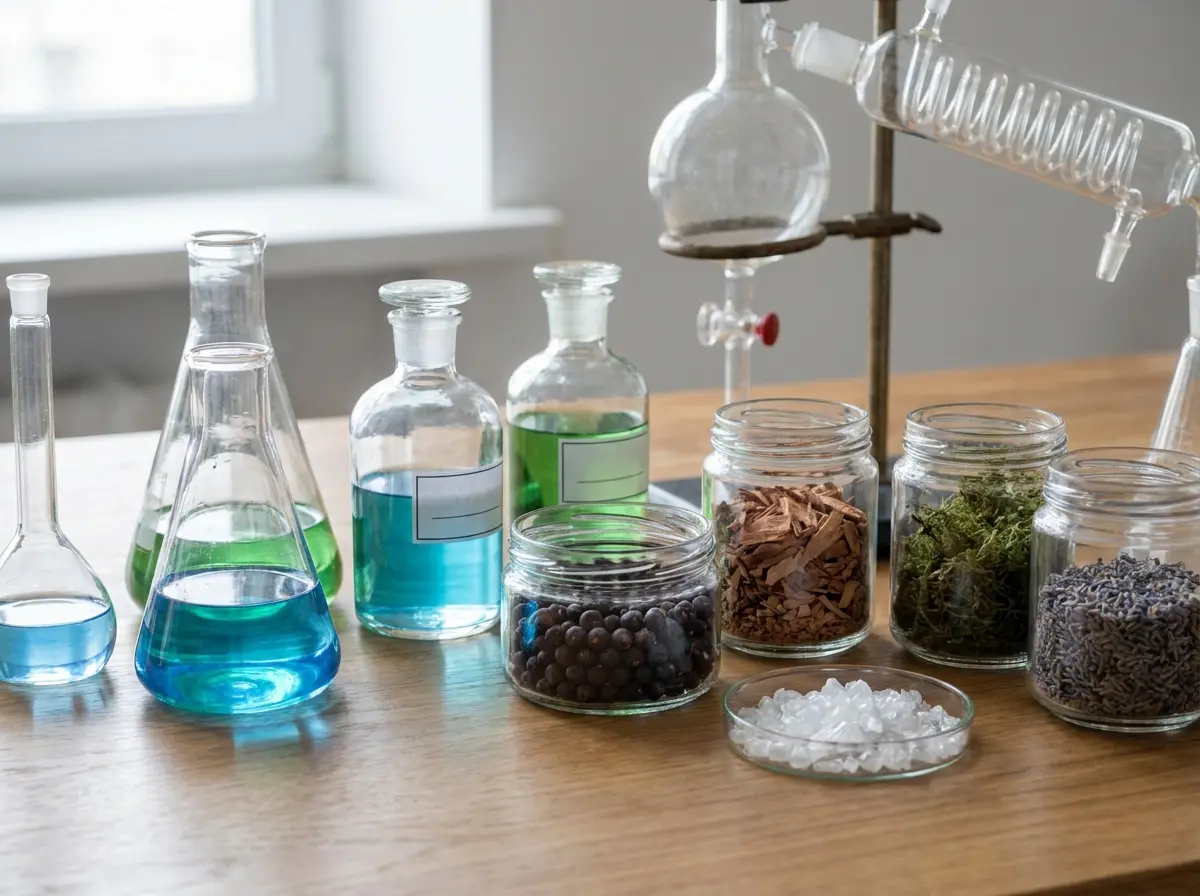
Many consumers mistakenly believe that prestige fragrances rely exclusively on natural botanical extracts. In reality, nearly every modern perfume utilizes synthetic molecules to achieve stability, projection, and specific scent profiles. Chemists developed the first synthetic fragrance compounds in the late nineteenth century, fundamentally changing the industry.
Synthetic ingredients allow perfumers to recreate scents that nature refuses to yield through traditional distillation methods. Flowers like lily of the valley and lilac simply do not produce extractable aromatic oils. Laboratory-created molecules replicate these delicate floral notes while maintaining consistent quality across different manufacturing batches.
Furthermore, synthetic molecules offer a highly sustainable alternative to harvesting endangered plants and animal byproducts. Traditional musk once required hunting the Himalayan musk deer, a practice that international regulations now strictly prohibit. Laboratory-created musks replicate this crucial scent profile perfectly while protecting vulnerable wildlife populations from exploitation.
Modern aroma chemicals like Iso E Super and Ambroxan have become massive stars in their own right. These synthetic compounds act as fixatives that anchor lighter notes and create a velvety, skin-like aura. Many contemporary minimalist fragrances feature these molecules heavily, proving that synthetics deserve a permanent place in luxury perfumery.
Layer a simple synthetic molecular fragrance under your favorite luxury perfume to extend its longevity and project a highly personalized scent trail.
Signature Scent Selection: Finding Your Signature Scent
Choosing a premium fragrance requires patience and a systematic approach to testing different scent profiles. Human olfactory receptors can quickly become overwhelmed when exposed to multiple strong perfumes in a short period. Professional buyers recommend evaluating no more than three distinct fragrances during a single shopping trip.
Skin chemistry plays a massive role in how a perfume ultimately projects and develops throughout the day. A fragrance that smells incredible on a paper test strip might turn sour or flat on your wrist. Temperature, diet, and natural lipid levels all interact directly with the chemical compounds in the perfume.
Consider the specific environments where you plan to wear your new fragrance before making a final decision. Heavy oriental scents work perfectly for evening events but might overwhelm your colleagues in a closed office setting. Fresh citrus and light floral arrangements generally serve as much safer options for daily professional wear.
How to Test Luxury Perfumes
Spray on Paper First
Evaluate the initial top notes on a blotter and wait ten minutes to smell the heart notes before applying anything to your skin.
Apply to Pulse Points
Spray the shortlisted fragrance directly onto your wrists or inner elbows without rubbing the skin together.
Monitor the Evolution
Wear the scent for a full eight hours to observe exactly how the base notes interact with your personal body chemistry.
High-End Perfume Value and Pricing: The Economics of Luxury Perfumes
Consumers frequently question why certain prestige fragrances retail for several hundred dollars per bottle. The raw materials generally account for a relatively small percentage of the total manufacturing and distribution costs. According to McKinsey & Company, packaging, marketing, and retail markups represent the largest financial components.
Custom glass bottles and heavy metallic caps add significant weight and tactile appeal to the final product. Brands invest heavily in industrial design to create distinctive silhouettes that stand out on crowded department store counters. The unboxing experience serves as a crucial psychological trigger that effectively justifies the premium price point to the consumer.
Marketing campaigns for high-end fragrances often involve celebrity endorsements and cinematic television commercials. These promotional efforts require massive budgets that manufacturers ultimately pass down to the end consumer. However, many niche brands flip this model by investing entirely in ingredient quality and relying heavily on word-of-mouth marketing.
Distribution channels also heavily impact the final retail price of a prestige fragrance bottle. Luxury brands carefully restrict their distribution to high-end department stores and specialized boutique retailers. This artificial scarcity maintains the brand prestige and supports the premium pricing model targeted at affluent consumers.
Perfume Collection Care and Longevity: Proper Storage and Preservation Techniques
Protecting your investment requires strict adherence to proper fragrance storage and preservation protocols. Heat, light, and humidity serve as the three primary enemies of delicate aromatic compounds. Leaving a glass bottle on a sunny windowsill will rapidly degrade the top notes and ruin the expensive formula.
The bathroom cabinet represents the worst possible location to store your expensive perfume collection. Daily temperature fluctuations from hot showers cause the liquid to expand and contract, which dramatically accelerates chemical breakdown. You should keep your bottles in a climate-controlled environment, preferably safely inside their original cardboard boxes.
Traveling with luxury perfumes introduces additional risks to the stability of the liquid formula. The changing air pressure inside commercial airplane cabins can cause poorly sealed bottles to leak extensively. Experts recommend transferring a small amount of the fragrance into a dedicated travel atomizer for vacations.
A properly stored luxury perfume can easily maintain its original olfactory profile for several decades. Vintage fragrance collecting has emerged as a lucrative hobby, with discontinued bottles commanding impressive auction prices. Fragrantica maintains an extensive database where collectors actively track the market value of rare and discontinued formulations. [INTERNAL_LINK: Explore our guide to fragrance longevity] for more detailed information on maximizing performance.
- Packaging and marketing typically account for a larger portion of a perfume’s cost than the raw ingredients.
- Store fragrances in dark, cool, and climate-controlled environments to prevent rapid chemical degradation.
- Never store expensive perfumes in a bathroom, as daily humidity and heat fluctuations will ruin the formula.
Conclusion
The premium fragrance market continues to thrive because it offers highly accessible luxury and deep personal expression. While the initial investment might seem steep, a high-quality perfume provides months or even years of daily enjoyment. Understanding the mechanics of scent construction allows you to deeply appreciate the true artistry behind these liquid masterpieces.
As consumer preferences shift to sustainable and highly concentrated formulations, the industry will naturally adapt to meet demand. Independent perfumers will continue pushing creative boundaries, while established heritage houses refine their classic signature offerings. Your personal journey into high-end perfumery requires an open mind and a strong willingness to explore unfamiliar olfactory territories.
Start your collection slowly and strictly prioritize quality over quantity when selecting new additions for your wardrobe. Trust your own nose rather than blindly following social media trends or aggressive marketing campaigns. A true signature scent should make you feel completely confident, comfortable, and authentic in your daily life.


