


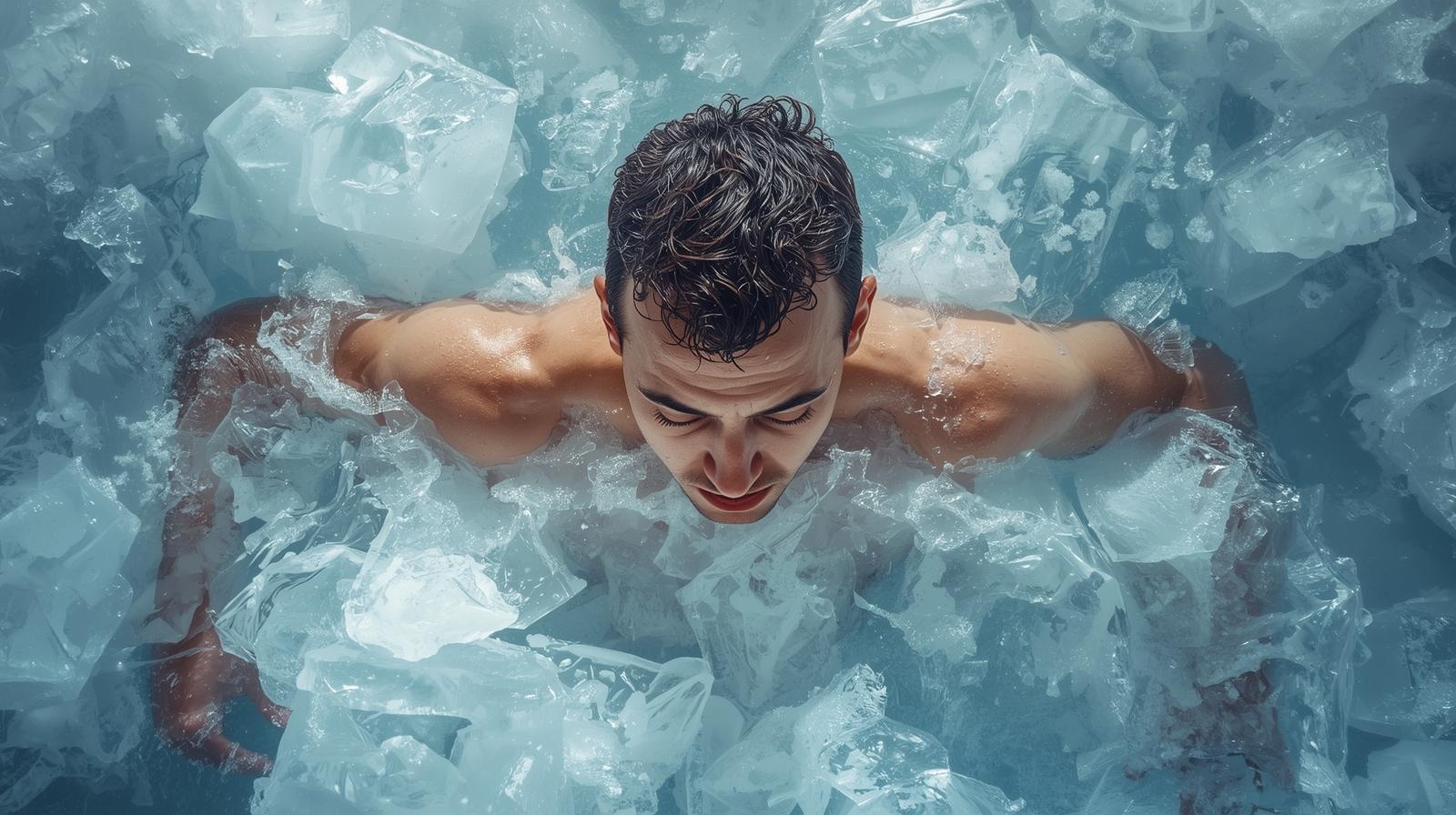
In recent years, ice baths have become a popular recovery technique among athletes and fitness enthusiasts. But what exactly are the benefits of immersing yourself in freezing water, and how can this practice improve your performance and recovery? In this article, we explore the science behind ice baths, their benefits, and how to incorporate them into your routine safely and effectively.
An ice bath involves submerging your body in cold water, typically ranging from 50 to 59 degrees Fahrenheit (10 to 15 degrees Celsius). This practice is also known as cold water immersion. The concept is simple: the cold temperature helps reduce muscle soreness and inflammation, aiding in quicker recovery and improved performance.
One of the primary benefits of ice baths is their ability to aid muscle recovery. After an intense workout, your muscles can experience micro-tears and inflammation. The cold temperature of an ice bath constricts blood vessels, reducing swelling and flushing out metabolic waste like lactic acid. This process can help alleviate muscle soreness and speed up recovery time, allowing you to return to training more quickly.
Ice baths can also promote mental well-being by providing stress relief. The sudden shock of cold water can trigger a release of endorphins, the body’s natural mood lifters. This endorphin rush can help improve your mood, reduce anxiety, and increase relaxation. Additionally, the practice of controlled breathing during an ice bath can enhance mental focus and mindfulness, further contributing to stress relief.
Regular use of ice baths can also boost athletic performance. By reducing muscle fatigue and soreness, ice baths allow athletes to train more consistently and with greater intensity. The improved recovery time means that athletes can maintain a higher level of performance over time, leading to better results in competitions and training sessions.
While ice baths offer numerous benefits, it’s important to approach them with caution to avoid potential risks. Here are some guidelines to ensure a safe and effective experience:
If you’re new to ice baths, it’s crucial to acclimate your body gradually. Start with shorter sessions of 5 to 10 minutes and progressively increase the duration as you become more comfortable with the cold temperature.
Ensure the water temperature is within the recommended range of 50 to 59 degrees Fahrenheit (10 to 15 degrees Celsius). Using a thermometer can help you maintain the appropriate temperature for effective recovery without risking hypothermia.
To avoid adverse effects, limit your ice bath sessions to a maximum of 20 minutes. Prolonged exposure to cold water can lead to numbness, decreased circulation, and even frostbite in extreme cases.
After exiting the ice bath, it’s essential to warm up your body gradually. Dry off immediately and change into warm clothing. Light exercise, such as stretching or a brisk walk, can help restore circulation and body temperature.
While ice baths are a popular choice for recovery, they may not be suitable for everyone. Here are some alternatives that offer similar benefits:
If you don’t have access to an ice bath, cold showers can be a convenient alternative. They provide similar benefits in terms of muscle recovery and stress relief, and you can easily control the water temperature.
Cryotherapy involves exposing your body to extremely cold temperatures for a short period, typically through a specialized chamber. While it may not be as accessible as ice baths, cryotherapy offers similar recovery benefits and can be a viable option for those seeking an alternative.
Compression therapy involves wearing specialized garments that apply pressure to your muscles, promoting blood flow and reducing inflammation. This method can be used in conjunction with ice baths or as a standalone recovery technique.
Ice baths offer a range of benefits for athletes and fitness enthusiasts, from enhanced muscle recovery to stress relief and improved performance. By incorporating ice baths into your routine safely and effectively, you can optimize your recovery process and boost your athletic performance.
Remember to start slowly, monitor water temperature, and limit the duration of your sessions to avoid potential risks. Whether you choose ice baths or one of their alternatives, prioritizing recovery is essential for achieving your fitness goals and maintaining overall well-being.


