


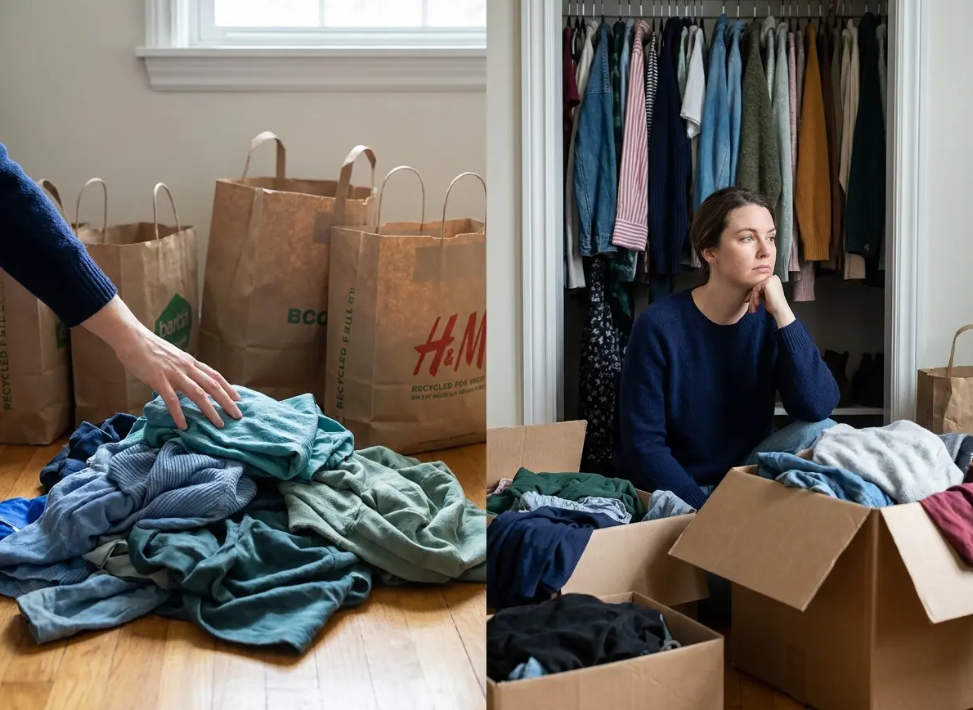
Consumers purchase more clothing today than at any previous point in human history, leading to unprecedented waste levels. You can trace this massive spike in consumption directly to the explosive growth of fast fashion brands globally. These fast fashion companies completely transformed the global retail industry by dramatically accelerating their production cycles to meet constant demand.
Shoppers previously expected new styles to arrive in stores roughly four times a year to match the seasons. Today, major digital retailers and ultra-fast fashion giants introduce thousands of new garments to their websites every single day. This rapid turnover creates an environment where trends appear and vanish within a matter of weeks, encouraging a throwaway culture.
The underlying business model prioritizes extreme speed and massive volume above all other factors in the clothing industry. We will examine how these companies operate, the true cost of their garments, and their global economic impact. Understanding these powerful market forces helps consumers make significantly better purchasing decisions over time while exploring sustainable fashion options.
Traditional retail models required several months to move a garment from a preliminary sketch to a store shelf. Fast fashion brands disrupted this historical timeline by vertically integrating their entire supply chains for maximum efficiency. A massive company like Zara can finalize a design and stock it globally in roughly fifteen days.
This incredible speed relies heavily on advanced analytics and real-time consumer data tracking across various digital platforms. Brands constantly monitor social media platforms to identify emerging aesthetics and styles immediately before they reach the mainstream. Proprietary algorithms predict which specific silhouettes and colors will generate the highest overall sales volume for the season.
Manufacturers then produce very small initial batches to test consumer interest in real time before committing resources. If a specific dress goes viral online, factories receive immediate orders to manufacture tens of thousands more units. This highly reactive production method minimizes the financial risk of holding massive amounts of unsold inventory in warehouses.
- Fast fashion brands drastically reduced production timelines from months to mere days.
- These brands rely on real-time data and algorithms to predict profitable trends.
- Small batch testing prevents companies from losing money on unpopular inventory.
Consumer Behavior: The Psychology of Overconsumption and Cheap Clothing in Fast Fashion
Fast fashion brands employ highly sophisticated psychological tactics to drive continuous and impulsive sales among their target demographics. Flash sales and limited-time discount codes create a false sense of urgency among digital shoppers looking for deals. Consumers frequently feel compelled to purchase items immediately out of a fear that they will miss out entirely.
Social media influencers play a massive and highly profitable role in this continuous cycle of buying and discarding. Brands sponsor prominent content creators to showcase massive clothing hauls to millions of impressionable followers on various apps. This constant daily exposure normalizes the extreme idea of buying dozens of cheap garments at once without second thought.
The dopamine rush from receiving a new package strongly reinforces this addictive shopping behavior in many modern consumers. Shoppers often experience a temporary mood boost immediately after completing an online purchase from their favorite budget retailers. Unfortunately, this satisfaction fades very quickly, which prompts the consumer to buy something else almost immediately to repeat.
Implement a 48-hour waiting period before buying any new clothing online. This simple pause breaks the psychological urgency and significantly reduces impulsive spending on fast fashion brands.
Global Retail: Economic Impact and Market Dominance of Fast Fashion Companies
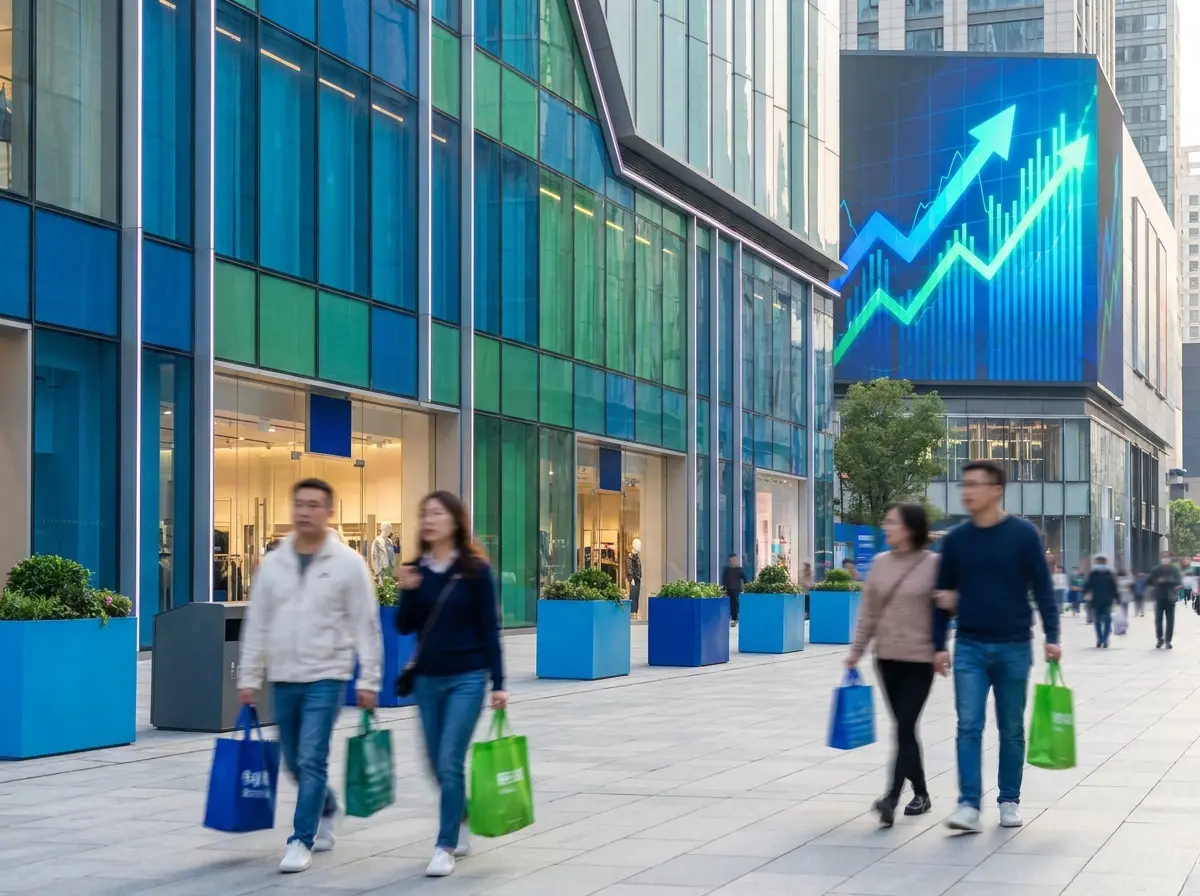
The financial success of these specific companies speaks volumes about current consumer demand for affordable, trendy apparel options. The global fast fashion industry generates hundreds of billions of dollars in revenue annually for its major players. Giants like H&M, Zara, and Shein completely dominate physical mall storefronts and digital advertising spaces alike across the globe.
Shein recently achieved a staggering valuation that outpaces many legacy American retailers combined, signaling a shift in power. These massive brands capture market share by offering trendy items at incredibly low consumer prices that competitors cannot match. Shoppers operating on tight budgets often feel they cannot afford to shop anywhere else for their clothing needs.
This aggressive pricing strategy relies entirely on economies of scale and extreme cost-cutting measures throughout the production process. Brands negotiate intensely with overseas suppliers to keep manufacturing expenses at absolute bare minimums to preserve profit margins. The resulting cheap clothing encourages consumers to view their garments as a completely disposable commodity rather than an investment.
Sustainability Crisis: The Environmental Impact of Fast Fashion and Cheap Clothing
Producing billions of cheap garments annually creates severe and lasting environmental consequences globally for our planet’s fragile ecosystems. What happens to these garments after they leave the store and are eventually discarded by the consumer? The global clothing industry generates roughly ten percent of all global carbon emissions according to recent environmental studies.
Water consumption presents another massive challenge for the natural environment and local communities near these large manufacturing hubs. According to the United Nations Environment Programme, producing a single cotton shirt requires over 2,700 liters of water. That exact amount equals what one average person typically drinks over two and a half years of life.
Furthermore, synthetic fabrics like cheap polyester completely dominate modern fast fashion catalogs due to their low production costs. Washing these petroleum-based materials releases millions of microplastics into the ocean every single year, harming marine life. When consumers discard these cheap items, the garments sit in landfills for centuries without decomposing into the earth.
Beware of corporate greenwashing campaigns that promote vaguely defined “conscious” collections. Many fast fashion brands use these small, eco-friendly lines to distract from their overwhelmingly unsustainable core business practices.
Human Rights: Social Implications and Labor Concerns for Garment Workers
The relentless demand for rapid production places immense pressure on garment workers globally who sustain these massive supply chains. Factories in developing nations frequently operate with minimal government oversight and highly dangerous conditions for their daily employees. Workers often face grueling hours, unsafe environments, and wages that fall well below the living standard for their region.
Many massive brands intentionally outsource production to independent contractors to avoid direct legal liability for any workplace violations. This fractured system creates a shadowy network of suppliers where corporate accountability completely disappears behind layers of bureaucracy. Subcontractors might employ underage workers or force employees to work unpaid overtime to meet strict delivery deadlines.
Advocacy groups continually document these severe labor violations across the global south to bring awareness to the public. The Clean Clothes Campaign regularly reports on the systemic abuse deeply embedded within these complex supply chains. True transparency remains incredibly rare, despite many major companies publishing glossy annual sustainability reports that suggest otherwise.
Ethical Shopping: Identifying Sustainable Alternatives and Ethical Fashion Brands
Finding genuinely ethical clothing companies requires a bit of proactive investigative work from the modern conscious consumer. You must look past clever marketing buzzwords and examine actual corporate business practices regarding their labor and sourcing. Legitimate ethical fashion brands provide very clear information about their specific factories and material sourcing methods on their websites.
Independent certifications offer a highly reliable starting point for conscious consumers looking to avoid fast fashion brands. Look for established labels like Fair Trade, Certified B Corporation, or the Global Organic Textile Standard for verification. These independent organizations regularly audit companies to verify their environmental and social marketing claims against strict global standards.
You should also review our comprehensive guide on sustainable fabrics to learn more about eco-friendly materials available today. Natural options like hemp, organic cotton, and Tencel offer excellent alternatives to synthetic polyester found in cheap clothing. Investing in these superior materials directly supports a healthier ecosystem and better global working conditions for everyone involved.
Slow Fashion Guide: How to Transition Away From Fast Fashion Brands and Reduce Textile Waste
Changing your shopping habits requires conscious effort and a completely new perspective on the modern clothing industry. How can you break this cycle of continuous consumption and move toward a more sustainable lifestyle? Taking a few specific steps can significantly reduce your personal environmental footprint while supporting slow fashion initiatives.
You can build a highly sustainable wardrobe without spending an absolute fortune on high-end designer labels. The process involves thoroughly reevaluating your current possessions and changing how you view new purchases for the long term. Consider implementing the following exact strategy to fundamentally shift your personal buying patterns away from disposable trends.
How to Build a Sustainable Wardrobe
1. Audit Your Current Closet
Take a complete inventory of what you already own before buying anything new from fast fashion brands. Most people wear twenty percent of their clothes eighty percent of the time.
2. Embrace Secondhand Shopping
Explore local thrift stores and popular online resale platforms for your next purchase to reduce textile waste. You can find high-quality, durable garments for a fraction of their original retail price.
3. Invest in Durable Basics
Focus on purchasing classic items made exclusively from natural, high-quality fibers that stand the test of time. These garments cost more upfront but last significantly longer than their cheap synthetic alternatives.
Circular Economy: The Future of Retail, Consumer Habits, and Sustainable Fashion
The fashion industry faces increasing pressure from both government regulators and conscious consumers to change its ways. The Ellen MacArthur Foundation actively advocates for a completely circular economy within the global textile industry. Similar regulatory frameworks and sustainable fashion initiatives may eventually reach the United States market to curb excessive production.
Meanwhile, the secondhand clothing market is currently experiencing explosive and unprecedented financial growth among younger generations. Digital platforms like ThredUp and Poshmark offer consumers an excellent alternative way to refresh their wardrobes sustainably. Financial analysts fully expect the resale market to outpace traditional retail growth over the next decade significantly.
Brands are responding to these massive market shifts by launching their own resale initiatives to retain customers. Some forward-thinking companies now offer in-house repair services or clothing recycling programs in their physical stores. While critics view these specific programs as marketing tactics, they indicate a changing tide in retail expectations.
- Government regulations will increasingly force fashion companies to manage their textile waste.
- The secondhand clothing market continues to grow faster than traditional retail apparel.
- Major brands are adopting circular initiatives like repair programs to satisfy conscious consumers.
Final Thoughts: Making Informed Wardrobe Choices Regarding Fast Fashion Brands
Fast fashion brands fundamentally altered how modern society consumes clothing over the past two decades of retail history. Their rapid production cycles and rock-bottom prices democratized style for millions of everyday shoppers across the world. However, the environmental impact of fast fashion comes with incredibly steep costs that we can no longer ignore.
Consumers hold significant economic power through their daily purchasing decisions in the global marketplace. Every single dollar spent acts as a direct vote for a specific business model and set of values. You can demand better practices by actively supporting companies that prioritize true transparency and ethical manufacturing over speed.
The personal transition away from disposable clothing takes considerable time and patience for the average shopper. Start by wearing the clothes you already own and buying significantly less overall to reduce your impact. Building a sustainable, ethical clothing wardrobe ultimately provides more satisfaction than chasing any fleeting trend from fast fashion brands.


