


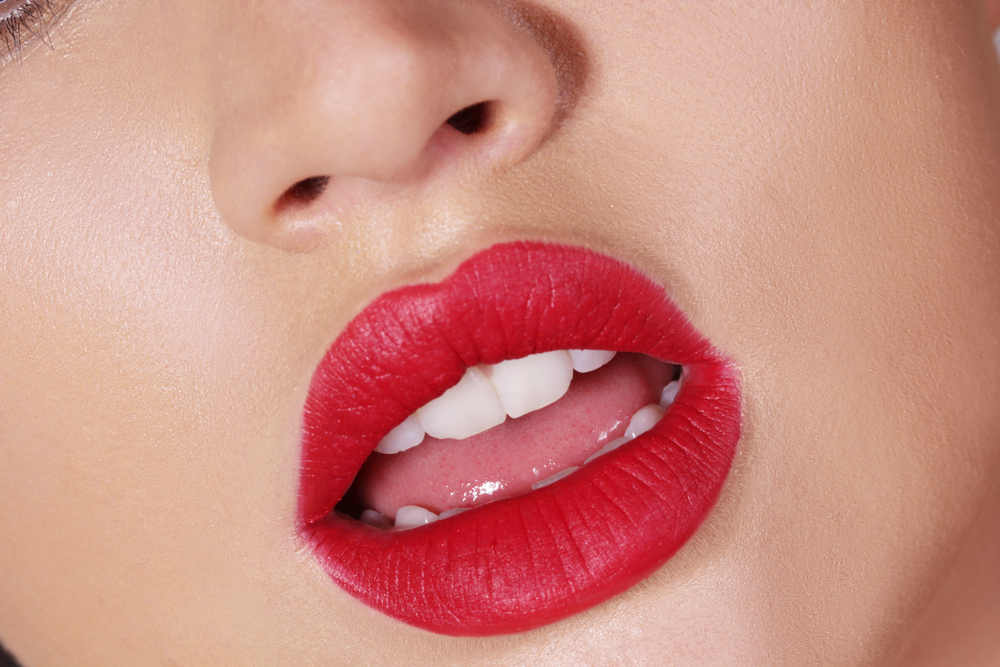
The matte liquid lip has had two distinct lives in beauty. The first, which peaked around 2015, was defined by one central promise: color that would not move for anything. It delivered on that promise with a formula so drying that many people came to associate the format with cracked, flaking lips by mid-afternoon. That reputation followed the product through years of dormancy while glossy, dewy, and glazed finishes dominated.
The second life, which is currently unfolding, is considerably more interesting. The matte liquid lip is back, but the formula has changed in ways that address nearly every complaint that drove people away from it in the first place. Understanding what has changed, and how to apply the format correctly regardless of which generation of formula you are working with, is what separates a matte liquid lip that looks like a precision beauty choice from one that looks like a mistake you made in the bathroom.
What Matte Liquid Lip Actually Does Differently
The distinction between a matte liquid lipstick and a traditional bullet lipstick is not simply about finish. The formula, application method, and behavior on the lip are fundamentally different in ways that affect everything from how you prep your lips to how long the color lasts.
A liquid lipstick is applied like a gloss, from a tube with a doe-foot or precision wand applicator, but it behaves nothing like a gloss once it sets. The liquid formula deposits a significantly higher concentration of pigment than a bullet lipstick, which is why the color payoff tends to be more opaque and saturated from the first application. Once it dries down, a well-formulated matte liquid lip is transfer-resistant and long-wearing in a way that no bullet lipstick can realistically match.
The drying mechanism is what creates the matte finish. Matte liquid formulas typically use volatile compounds that evaporate quickly after application, leaving the pigment and film-forming ingredients behind as a flat, non-reflective layer on the lip surface. Older formulas relied heavily on ingredients that pulled moisture from the lip tissue as part of this process, which is where the dryness reputation came from. Modern formulas use lighter, more skin-friendly ingredients alongside hydrating additions like hyaluronic acid, mango butter, glycerin, and vitamin E, which allow the matte finish to develop without stripping the lip of moisture in the process.
The Formula Evolution Worth Knowing About
The matte lip’s current comeback is being driven by what the beauty industry calls skinification, which is the incorporation of skincare-grade ingredients into color products. Modern matte liquid formulas are being built around the premise that a matte finish and comfortable wear are not mutually exclusive.
Where older matte liquid formulas used thick, waxy bases that created a rigid, stiff layer on the lip, current formulations use featherlight film formers and clear waxes that allow for softer, more flexible wear. The addition of hyaluronic acid helps maintain moisture at the lip surface rather than depleting it over the course of a day. Some formulas now include peptides and ceramide-adjacent ingredients that actively support the skin barrier of the lip while the color sits on top of it.
The practical result is that a matte liquid lip purchased today is likely to feel significantly more comfortable than one purchased a decade ago, even if the finish looks identical. Choosing a formula with hydrating ingredients listed early in the ingredient list, and actively avoiding formulas that lead with drying alcohols or use mint as a primary ingredient, makes a meaningful difference in wear experience.
How to Apply It Without Common Mistakes
Application is where most matte liquid lip failures happen, and the mistakes are consistent enough to address directly.
Lip preparation is non-negotiable with this format. Because matte liquid lipstick clings to every texture on the lip surface, any dryness, flakiness, or uneven skin will be immediately visible once the product sets. Gently exfoliating the lips before application, either with a dedicated lip scrub or simply with a clean toothbrush, removes dead skin and creates a smooth surface for the formula to adhere to evenly. Follow with a thin layer of hydrating lip balm, allow it to absorb for a few minutes, and then blot the center of the lips lightly before applying the color. The balm provides a moisture barrier underneath the formula without creating a slippery surface that prevents adhesion.
Apply a matching lip liner before reaching for the liquid formula. With matte liquid lipstick, liner is less about preventing feathering and more about creating a precise guide for the applicator. Because the formula dries quickly and is difficult to correct once set, having a defined outline to follow removes the margin for error. Filling the entire lip with liner before applying the liquid color also extends wear time and prevents the inner lip from showing through as the day progresses.
Work quickly. The drying mechanism that makes matte liquid lipstick so long-wearing is active from the moment the product touches the lip, which means you have a limited window to blend, correct, or adjust. Apply from the center of the lips outward, following the lip line you have drawn, and use the precision tip of the applicator for corners and edges. Do not go back over an area that has already begun to set, as this drags the drying film and creates a streaky, uneven result.
What to Do When the Formula Is Too Drying
Even with the improvements in modern formulas, some matte liquid lipsticks still have a drying effect that becomes uncomfortable over several hours of wear. There are specific techniques that address this without compromising the finish.
The blot-over-balm method is widely used by professional makeup artists. After the matte liquid lip has fully dried down, apply a very small amount of lightweight lip balm to the center of the lips only, avoiding the edges where the clean line matters most. The balm reintroduces moisture without significantly disrupting the matte appearance, particularly when set lightly with a translucent powder over the top.
Choosing a velvet or satin finish matte liquid rather than a full flat matte also helps if dryness is a consistent issue. These finishes achieve a similar reduction in shine while using formulas that retain slightly more flexibility on the lip surface, making them significantly more comfortable for people with naturally dry lips.
Shade Selection and Skin Tone
Matte finishes are particularly sensitive to shade selection because the flat, opaque nature of the finish makes the color read more intensely than a glossy formula in the same shade. This works in either direction: a shade that might feel safe or understated in a glossy formula can become a genuine statement in matte, and a shade that seems too bold in a bullet lipstick can look sophisticated and precise in a matte liquid version.
Cooler, deeper shades, such as berry, plum, burgundy, cherry red, and true red, have always performed well in matte formulas because the flatness of the finish suits their natural depth. For warmer skin tones, terracotta, caramel, brick red, and deep mauve offer the same impact without reading as stark against the complexion. Nude shades in matte liquid formulas require the most care, as a nude that is too pale against the skin tone will appear washed out and chalky without the dimensional quality that gloss provides. A nude that matches or sits just slightly deeper than the natural lip color gives a clean, modern result.
Why the Format Is Worth Revisiting
The matte liquid lip is one of those products that rewards a proper understanding of how it works. The complaints that built its reputation for difficulty, the dryness, the difficulty applying it, the unforgiving set time, are all addressable through preparation and technique rather than being inherent flaws in the format itself. And the things it does that no other lip product can match, the combination of intense pigment, transfer resistance, and a finish that reads as genuinely precise and intentional, are still reasons enough to keep it in the rotation.
The 2025 version of the formula makes that case even stronger. The skinification of matte liquid lip has removed much of the tradeoff that used to define the category, and what remains is one of the more powerful tools in a makeup kit for anyone who wants their lip color to make a statement and stay exactly where they put it.


