



Do you know exactly what your strands need to thrive? A proper hair wash routine forms the foundation of scalp health and structural integrity. Many people treat washing their hair as an afterthought, rushing through the process with generic products. This careless approach often leads to damage, breakage, and persistent scalp issues over time. You need a systematic method that respects your specific biological needs. Building an effective care routine requires understanding the chemistry of your strands and the biology of your scalp. By prioritizing the health of your follicles, you ensure that every subsequent styling step yields better results. Consistency in your regimen will eventually transform the texture and resilience of your mane. Furthermore, the “skinification” of hair care suggests that we should treat our scalp with the same precision as our facial skin. This means incorporating antioxidants, humectants, and protective barriers into our weekly cleansing rituals to ensure long-term vitality.
Before you buy another product, you must identify your exact hair type. Every person has a distinct curl pattern, porosity level, and strand thickness that dictates their physical needs. A heavy oil shampoo might work wonders for thick coils but will completely flatten fine, straight strands. If you struggle with dry hair, your focus should be on lipid replacement rather than aggressive clarification. Porosity, or your hair’s ability to absorb and retain moisture, is perhaps the most overlooked factor in product selection. High-porosity hair absorbs water quickly but loses it just as fast, requiring heavier sealants to maintain hydration. Conversely, low-porosity hair has tightly bound cuticles that resist moisture, often requiring heat to open the shaft for effective treatment.
According to experts, categorizing your hair type is the critical first step for any effective daily regimen. You can learn more about clinical classification methods through the American Academy of Dermatology official guidelines. You cannot establish a functional hair care routine without gathering this foundational biological knowledge. Testing your strands by placing a clean hair in a glass of water can reveal your porosity level instantly. If it sinks, you have high porosity; if it floats, your cuticles are tightly closed and low porosity. Understanding these nuances allows you to select ingredients that actually penetrate the hair shaft rather than sitting on the surface. Additionally, you must consider hair density, which refers to how many hairs grow per square inch of your scalp. High-density hair requires more product distribution, while low-density hair can easily become weighed down by heavy creams.
Beyond simple porosity, the diameter of your individual strands—fine, medium, or coarse—plays a massive role in how products interact with your hair. Fine hair has a small diameter and is prone to oiliness, making it essential to avoid heavy silicones that cause buildup. Coarse hair has a large diameter and is often very strong, but it requires significant softening agents to remain manageable. If your hair isnât responding to your current products, it might be because you are misjudging its diameter and density. Professional stylists often recommend a “strand test” where you feel a single hair between your fingers to determine its thickness. This level of detail ensures that your product shelf is optimized for your specific genetic makeup rather than marketing trends.
Essential Pre-Wash Preparation for Your wash day
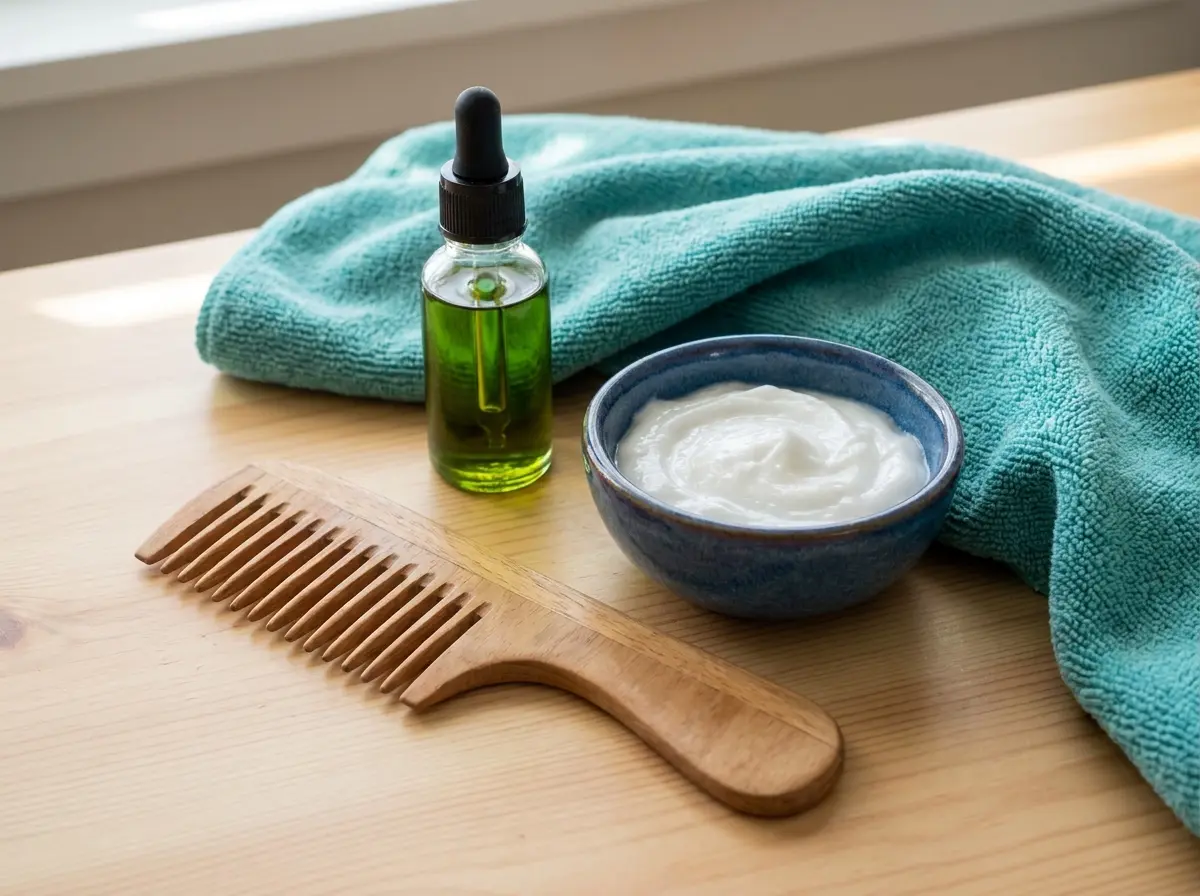
A successful wash day actually begins before you even step into the shower. You need to prep hair properly to prevent excessive breakage while the strands remain wet and vulnerable. Start by gently working through knots with a dedicated detangling brush or a specialized tangle teezer. Many professionals recommend applying a pre-shampoo treatment, often involving various hair oils, to protect the mid-lengths from surfactant stripping. This “pre-poo” method creates a hydrophobic barrier that allows the shampoo to clean the scalp without dehydrating the older, more fragile ends. This step is particularly vital for those with color-treated hair, as it helps preserve pigment while removing impurities.
Working from the ends up to the roots minimizes tension and protects the fragile hair shaft. You might also consider applying a targeted scalp treatment to address flakiness or excess sebum production. A five-minute scalp massage stimulates blood flow and promotes optimal hair growth over time. Using a high-quality hair oil during this massage can help dissolve oil-soluble impurities that water alone cannot reach. This preparation phase ensures that your cleansing process is both efficient and protective of your hair’s structural integrity. Taking these extra ten minutes can significantly reduce the amount of shedding you experience during the actual wash. Furthermore, using a scalp exfoliator during this phase can remove dead skin cells that block follicle openings.
Consider the specific type of oil you use for your pre-wash treatment, as different oils serve different biological purposes. Penetrating oils like coconut oil can enter the hair shaft to reduce protein loss during the washing process. Sealing oils like jojoba or almond oil sit on the surface, providing a smooth glide that makes detangling significantly easier. If your hair doesnât feel soft after a wash, it may be because you skipped this protective barrier. The goal is to enter the shower with hair that is already organized and shielded from the harsh mechanical action of scrubbing. This proactive approach transforms a chore into a therapeutic ritual that yields professional-grade results at home.
How to Prepare for Washing
1. Detangle Thoroughly
Use a wide-tooth comb to gently work through any severe knots before the water hits your head.
2. Apply Pre-Wash Treatments
Massage any clarifying serums or exfoliating acids directly into the skin of your scalp.
3. Protect the Ends
Coat the bottom three inches of your strands with a lightweight protecting serum to block harsh detergents.
Executing the Perfect wash hair routine for healthy hair
The actual process of your hair wash routine requires specific technique rather than just vigorous manual scrubbing. Apply a high-quality clean shampoo directly to your scalp rather than rubbing it into your delicate ends. The suds will naturally wash down and clean the rest of your strands as you rinse. Achieving healthy hair starts with a clean environment, but over-cleansing can lead to a reactive oily scalp. You should aim to use the pads of your fingers in a circular motion to dislodge debris without scratching the skin. This method ensures that the follicles remain unobstructed, which is vital for long-term growth and density.
If you use heavy styling tools regularly, you likely suffer from stubborn product buildup. Clarifying formulas help remove these chemical residues, but you should use them sparingly to avoid stripping natural oils. You must focus your attention entirely on the scalp where dead skin cells and sebum naturally accumulate. Many individuals find that a double-cleanse method is necessary if they have gone several days between washes. The first wash removes the surface layer of pollution and dry shampoo, while the second wash actually cleanses the skin. This thorough approach prevents the formation of scalp conditions like seborrheic dermatitis or clogged pores. It is also helpful to emulsify the shampoo in your hands with a bit of water before applying it to the scalp for even distribution.
Have you ever wondered why your scalp feels tight after showering? Hot water opens the cuticle, which allows cleansers to penetrate but can leave strands feeling extremely rough. Rinsing with cold water helps seal that cuticle back down, locking in essential moisture and adding shine. If your hair isn’t retaining moisture, your daily shower temperature might simply be too high. Adjusting the heat level protects the structural integrity of your strands during the hair washing process. Watching how your hair feel changes after adjusting the temperature provides instant feedback on your methods. A lukewarm temperature is generally considered the “sweet spot” for effective cleansing without causing thermal stress.
Water quality also plays a significant role in the success of your routine. Hard water contains high levels of minerals like calcium and magnesium, which can create a film on your hair. This film prevents moisture from entering the shaft, leading to chronic dryness and a lack of luster. Consider installing a shower filter to neutralize these minerals and improve the efficacy of your products. You will likely notice that your shampoo lathers better and your conditioner feels more effective once the water is softened. This small environmental adjustment can be the missing link in your quest for perfect hair health. Furthermore, using a chelating shampoo once a month can help strip away mineral deposits that filters might miss.
- Identify your correct hair type before purchasing any new cleansing products.
- Always detangle your strands thoroughly before getting them wet in the shower.
- Apply shampoo strictly to your scalp and let the suds wash down to the ends.
- Rinse with cooler temperatures to seal the cuticle and preserve internal moisture.
Deep Conditioning and Moisture Balance
Moisture restoration represents the most critical phase of your entire hair wash experience. While regular conditioners work for daily maintenance, you need to deep condition periodically for structural repair. Applying a rich deep conditioner or an intensive hair mask restores elasticity and prevents future mechanical breakage. For those with high-porosity hair, look for products containing proteins like keratin or silk amino acids to fill in the gaps in the cuticle. Conversely, low-porosity hair benefits more from humectants like glycerin and honey that draw moisture into the shaft. Understanding the balance between protein and moisture is essential for maintaining the “snap” and resilience of your strands.
Those with curly hair require this deep treatment much more frequently due to their natural curl structure. The physical twists and turns of a curl make it difficult for scalp oils to travel down the shaft. Focus your conditioning products strictly on the mid-lengths and ends to avoid weighing down your roots. If you find your hair feels mushy or overly soft, you may be over-conditioning, a state known as hygral fatigue. Balancing protein and moisture is a delicate dance that requires you to pay close attention to how your hair “snaps” when stretched. A healthy strand should have a slight stretch and then return to its original shape without breaking. If your hair isnât snapping back, it likely needs a protein boost to reinforce the internal structure.
Leave the deep conditioning treatment on for at least fifteen minutes to allow proper cellular penetration. You can use a thermal shower cap to trap body heat, which helps the product absorb much better. Rinse the product thoroughly until the water runs completely clear and no slippery residue remains on your strands. For an extra boost of shine, you can apply a few drops of hair oil to your damp ends after rinsing. This helps to lock in the water molecules before they evaporate into the air. Consistent deep conditioning will eventually lead to a noticeable reduction in frizz and an increase in overall manageability. You might also explore the “squish to condish” method, which involves pulsing water into the hair while it is coated in conditioner to maximize hydration.
Post-Wash Drying and Styling
How you handle your damp strands after stepping out of the shower dictates your final visual results. Vigorously rubbing your head with a standard cotton towel causes severe friction and immediate surface frizz. Instead, gently squeeze the excess water out using a microfiber towel to help your hair dry faster. Microfiber is much gentler on the cuticle and absorbs significantly more water than traditional terry cloth. If you have time, “plopping” your hair in a cotton T-shirt can help define curls without the need for heat. This method allows the hair to set in its natural shape while the fabric absorbs moisture. It is important to remember that hair is at its weakest when wet, so handle it with extreme care.
If you plan to air dry, applying a lightweight leave-in conditioner will help define your natural texture. A quality leave-in cream provides ongoing moisture and protects the hair structure as it sets into place. Additionally, a quick spray of leave-in conditioning mist adds extra slip for final detangling efforts. For those who need extra hold, a light application of hair spray can help maintain the style as it dries. Be careful not to touch your hair while it is drying, as this is the primary cause of frizz. Once the hair is 100% dry, you can “scrunch out the crunch” if you used styling gels. If your hair doesnât look polished after air drying, you may need to experiment with the order in which you apply your styling products.
Many people prefer to blow dry their strands for a more polished, voluminous final finish. Before you even plug in your hair dryer, you absolutely must apply a reliable heat protectant. Proper heat protection creates a vital barrier that prevents the intense temperatures from boiling the internal moisture. Use the concentrator nozzle on your dryer to direct the airflow downward along the hair shaft. This technique smooths the cuticle and creates a reflective surface that looks incredibly healthy. Always finish with a blast of cool air to set the style and enhance the natural shine of your strands. Using an ionic hair dryer can also help reduce drying time and minimize static electricity during the process.
If you plan to use a curling iron later, this protective heat layer becomes even more crucial. Distribute the product evenly from root to tip before you begin to style hair. A final mist of hair spray will ensure your curls last throughout the evening. Additionally, consider using a silk scrunchie to tie back your hair, as this prevents the “crease” that often ruins a fresh blowout.
Extending the Time Between Washes
Washing your hair every single day is rarely necessary and can actually lead to a cycle of overproduction of oil. To break this cycle, you must learn to extend the time between your full wash day sessions. Using a high-quality dry shampoo can absorb excess oil without stripping the scalp of its necessary biological defenses. Apply dry shampoo to the roots before bed to prevent oil buildup overnight, allowing the powder to work while you sleep. This proactive approach often yields better results than applying it to already greasy hair in the morning. By the time you wake up, the product will have fully integrated, leaving no white residue. This technique is a game-changer for those with active lifestyles who want to maintain their style post-workout.
Many people find that dry shampoo provides necessary volume on the second or third day, making styling even easier than on wash day. You can also experiment with different hairstyles, such as sleek ponytails or braided crowns, to hide roots that are starting to look oily. If your ends feel dry while your roots feel oily, apply a tiny amount of hair oil strictly to the bottom inch of your hair. This balances the moisture levels without contributing to the congestion at the scalp. Over time, your scalp will adjust its sebum production, and you will find that your hair stays cleaner for longer periods. Training your hair takes patience, but the results in hair health are well worth the effort. It is a common misconception that you can “train” your scalp to produce less oil, but you can certainly manage the appearance and health of the oil that is produced.
In addition to topical products, consider the impact of your environment on your hair’s cleanliness. Silk or satin pillowcases reduce friction and prevent the absorption of your hair’s natural oils into the fabric. This keeps the moisture on your strands where it belongs and prevents the “bedhead” frizz that often leads to premature washing. You should also clean your hairbrushes regularly to avoid redepositing old oil and skin cells back onto your clean scalp. A simple soak in warm water with a bit of clarifying shampoo once a week is sufficient. These small habits collectively contribute to a much more sustainable and healthy hair care cycle. Furthermore, avoiding touching your hair throughout the day prevents the transfer of oils from your hands to your strands.
Building Your Long-Term Strategy
A truly effective hair care strategy is one that evolves with the seasons and your changing biological needs. During the winter, you may need to increase your use of hair oils and deep conditioners to combat the dry indoor air. In the summer, a more frequent use of clarifying shampoos might be necessary to remove chlorine or salt water. Always listen to your hair; if it feels brittle, it needs moisture; if it feels limp, it might need protein or a thorough cleanse. Your hair wash routine should never be static, but rather a flexible framework that supports your goals. Regularly assessing the scalp microbiome can also provide insights into why your hair might be behaving unexpectedly.
Furthermore, consider the internal factors that contribute to the quality of your strands. A diet rich in omega-3 fatty acids, biotin, and iron provides the building blocks for strong, resilient hair. Hydration is equally important, as water is essential for the metabolic processes that occur within the hair follicle. If you are experiencing sudden changes in hair texture or significant shedding, it may be worth consulting a professional. Sometimes, external routines cannot fix what is fundamentally a nutritional or hormonal issue. Integrating a holistic approach ensures that your hair is healthy from the inside out. Your hair is often a reflection of your overall systemic health, so prioritize your well-being to see the best results on your head.
Finally, stay informed about the products you use and the companies you support. When browsing for new products online, always check the site’s privacy policy to understand how they manage your data. Most professional beauty retailers use essential cookies to ensure your shopping cart and preferences remain saved during your session. Being a conscious consumer extends beyond just the ingredients in your shampoo bottle. By choosing high-quality products and maintaining a disciplined routine, you are investing in the long-term beauty and health of your hair. Your journey to perfect hair is a marathon, not a sprint, and every wash counts. Remember that the ultimate goal is a balanced scalp and vibrant strands that make you feel confident every single day.


