


In an age where wellness and health are at the forefront of societal consciousness, the quest for effective weight loss solutions continues to evolve. As traditional weight loss methods face scrutiny and new techniques emerge, non-surgical weight loss options have gained significant traction. This article delves into various non-surgical weight loss methods, analyzing their effectiveness and implications for the wellness industry.
Non-surgical weight loss methods encompass a range of procedures and treatments designed to help individuals shed pounds without the need for invasive surgery. These methods are appealing for their reduced risk, minimal recovery time, and the ability to integrate them into a busy lifestyle.
Weight Loss Treatments
Weight loss treatments vary widely, from dietary supplements and behavioral therapies to more advanced technological interventions. The primary aim of these treatments is to support weight management in a safe and sustainable manner.
Dietary Supplements
Dietary supplements often promise quick results. However, their efficacy varies, and they should be used with caution. Supplements can help boost metabolism, reduce appetite, or block fat absorption, but they are not a substitute for a balanced diet and regular exercise.
Behavioral Therapies
Behavioral therapies focus on changing eating habits and lifestyle choices. Cognitive-behavioral therapy (CBT) is a popular approach, helping individuals identify and alter the behaviors contributing to weight gain. This method promotes long-term success by addressing the root causes of unhealthy habits.
Non-Surgical Weight Loss Procedures
Technological advancements have introduced several non-surgical procedures aimed at weight reduction. These procedures are typically performed in specialized weight loss clinics and require professional expertise.
CoolSculpting
CoolSculpting is a procedure that uses cryolipolysis to freeze and eliminate fat cells. It is FDA-approved and targets areas such as the abdomen, thighs, and arms. The treatment is non-invasive and requires no downtime, making it a popular choice for individuals looking to address stubborn fat areas.
Laser Lipolysis
Laser lipolysis, or laser lipo, employs laser energy to liquefy fat cells, which are then naturally eliminated by the body. This method is minimally invasive and is often used to contour specific body areas. The procedure boasts quick recovery times and visible results.
Ultrasound Fat Reduction
Ultrasound fat reduction utilizes sound waves to break down fat cells, which are then expelled from the body over time. This method is painless and non-invasive, with results appearing gradually as the body metabolizes the fat.
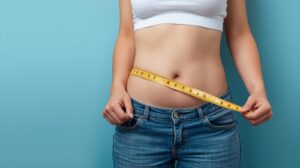
The Role of Weight Loss Clinics
Weight loss clinics provide a structured environment for individuals seeking professional guidance in their weight loss journey. These clinics offer personalized plans that may include a combination of dietary advice, exercise programs, and non-surgical procedures.
Evaluating the Effectiveness of Non-Surgical Methods
While non-surgical weight loss methods offer promising results, their effectiveness can vary based on individual factors such as age, metabolism, and overall health. Here, we assess the potential benefits and limitations of these approaches.
Benefits
- Safety: Non-surgical methods are generally safer than surgical options, with fewer risks and side effects.
- Convenience: Many procedures require little to no downtime, allowing individuals to resume daily activities quickly.
- Targeted Results: These methods can focus on specific problem areas, offering tailored solutions for different body types.
Limitations
- Varied Results: Individual outcomes can differ, and multiple sessions may be necessary to achieve desired results.
- Cost: Some procedures can be expensive and are not always covered by insurance.
- Temporary Effects: Results may not be permanent; maintaining a healthy lifestyle is crucial for sustaining weight loss.
Implications for the Wellness Industry
The rise of non-surgical weight loss methods reflects broader trends within the wellness industry, emphasizing personalization, safety, and integration with everyday life. As consumer behavior shifts towards preventive and non-invasive health solutions, the wellness industry must adapt by offering innovative and effective products and services.
For Wellness Product Developers
Understanding consumer preferences for non-surgical options can guide product development. Innovators should focus on creating solutions that complement these procedures, such as supportive dietary products or home-use devices that promote healthy living.
For Lifestyle Magazine Editors
Highlighting the efficacy and science behind non-surgical weight loss methods can engage readers and align with their interests in safe and modern wellness practices. Articles that explore the intersection of these methods with broader lifestyle trends can provide valuable insights.
For Health and Wellness Coaches
Coaches can integrate knowledge of non-surgical weight loss methods into their practice, offering clients informed guidance and personalized strategies that align with current wellness trends. Emphasizing holistic approaches that incorporate these methods can enhance client satisfaction and outcomes.
Conclusion
Non-surgical weight loss methods offer a viable alternative for those seeking to manage their weight without the risks associated with surgery. As the wellness industry continues to evolve, these methods will likely play a pivotal role in shaping the future of health and wellness. By staying informed and adapting to these trends, wellness professionals can better meet the needs of their clients and contribute to the ongoing transformation of the industry.


