


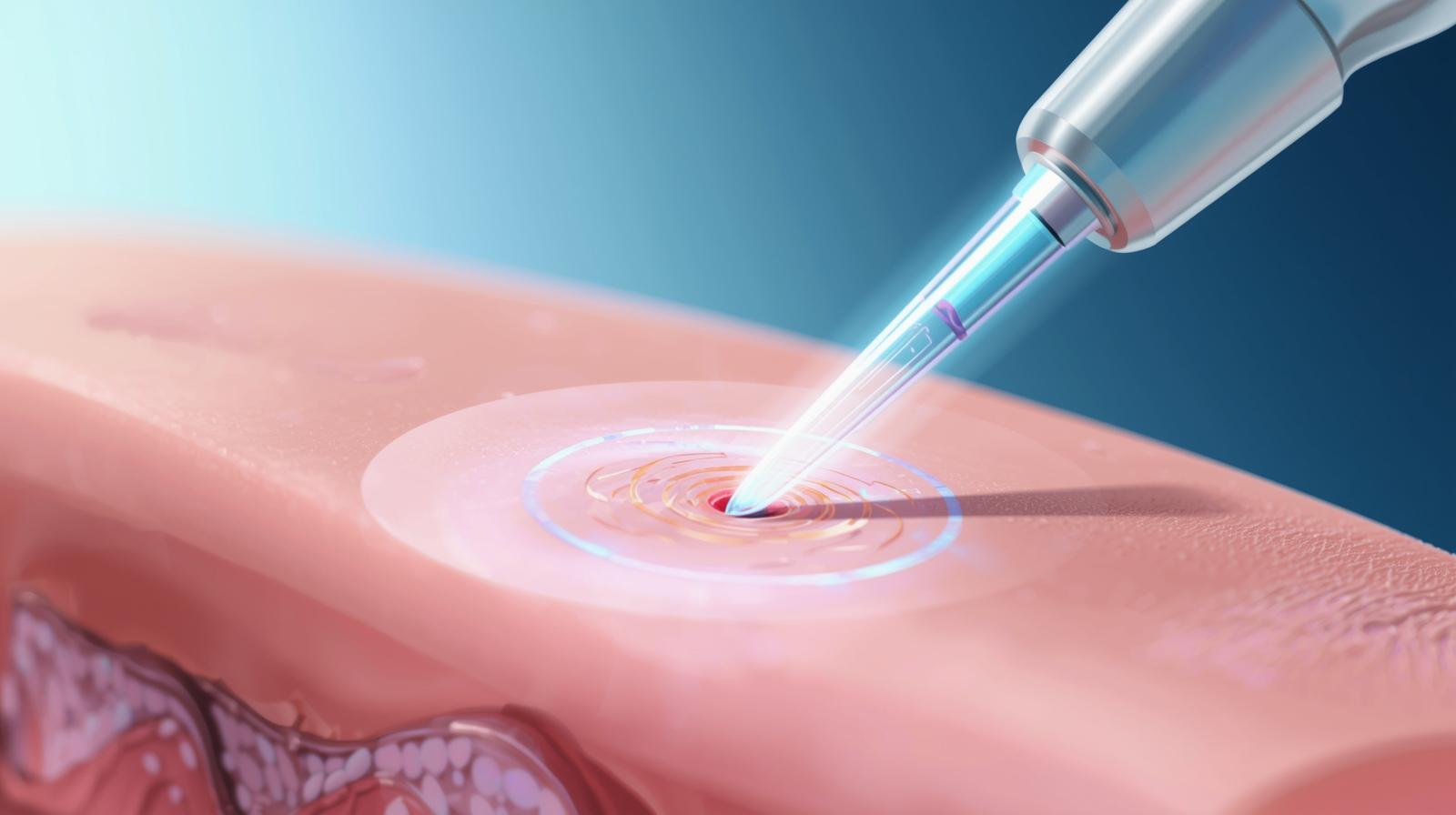
Laser hair removal has rapidly become a popular choice for those seeking a more permanent solution to unwanted hair. But what exactly makes this method so effective, and can it truly be considered a permanent fix? In this article, we delve into the science behind laser hair removal and explore its potential for permanence.
Laser hair removal works by targeting the pigment in hair follicles with highly concentrated light beams. This light is absorbed by the melanin in the hair, generating heat that damages the follicle and inhibits future growth.
The process is selective, focusing on hair while minimizing damage to the surrounding skin. This precision makes laser hair removal suitable for a variety of skin tones and hair types, though its effectiveness can vary.
The effectiveness of laser hair removal largely depends on several factors, including hair color, skin type, and the area being treated. Generally, individuals with light skin and dark hair tend to see the best results, as the contrast allows the laser to better target the melanin in the hair.
Multiple sessions are required to achieve optimal results because hair grows in cycles, and lasers are most effective during the growth phase. On average, a series of six to eight treatments can lead to significant reduction in hair growth.
However, calling laser hair removal completely “permanent” can be misleading. While the treatment can lead to long-term hair reduction, some hair may eventually regrow, particularly due to hormonal changes or other biological factors.
To understand why laser hair removal might not always be permanent, it’s essential to grasp the basics of the hair growth cycle. Hair grows in three stages: anagen (growth phase), catagen (transitional phase), and telogen (resting phase).
Laser treatments are most effective during the anagen phase when the hair is actively growing and still attached to the follicle. This is why multiple sessions are necessary—to catch as many hairs as possible in this phase.
Several factors can influence the likelihood of hair regrowth after laser treatments:
- Hormonal Changes: Conditions like pregnancy, menopause, or hormonal imbalances can stimulate hair regrowth.
- Hair Color and Thickness: Lighter and finer hairs may not absorb the laser as effectively, leading to less successful outcomes.
- Technological Advancements: Newer laser technologies are continually improving, offering more precise and effective treatments that can adjust to different skin tones and hair types.
While the term “permanent hair removal” might suggest a complete elimination of hair, it’s important to set realistic expectations. Laser hair removal is often more accurately described as “permanent hair reduction.”
Many individuals experience a substantial and lasting reduction in hair growth, often up to 90%. However, some maintenance sessions may be necessary over time to manage any regrowth.
Compared to other hair removal methods, such as shaving, waxing, or depilatory creams, laser hair removal offers a longer-lasting solution with fewer side effects, like ingrown hairs or skin irritation.
Advancements in laser technology play a crucial role in the effectiveness and safety of hair removal treatments.
There are several types of lasers used in hair removal, each with different benefits:
- Alexandrite Laser: Suitable for light to olive skin tones.
- Diode Laser: Effective for a wide range of skin types, including darker skin tones.
- Nd:YAG Laser: Ideal for all skin types, particularly darker skin tones.
These advancements allow practitioners to customize treatments based on individual characteristics, improving outcomes and minimizing risks.
The rising demand for laser hair removal is reflective of a broader cultural shift towards convenience and long-term solutions in personal care.
For wellness product developers, understanding the science and trends behind laser hair removal can inform the creation of complementary products, such as post-treatment skincare lines or innovative hair reduction solutions.
As a lifestyle choice, laser hair removal represents an intersection of beauty, convenience, and modern technology. It appeals to individuals seeking to streamline their grooming routines while aligning with contemporary wellness trends.
The popularity of laser hair removal also highlights changing perceptions of beauty and body hair, influenced by cultural norms and social media. This trend underscores the importance of inclusivity and personalization in wellness practices.
In summary, laser hair removal offers a promising solution for long-term hair reduction, though it may not guarantee complete permanence for everyone. Understanding the science behind the process, alongside technological advancements and consumer trends, provides valuable insights for those navigating the wellness industry.
For developers, editors, and coaches, this knowledge can inspire innovative approaches to product design, content creation, and client engagement, ultimately enhancing personal well-being and aligning with modern lifestyle preferences.
By recognizing the complexities and potential of laser hair removal, stakeholders can better meet the needs of a diverse and evolving consumer base, contributing to the future of wellness in our society.


