


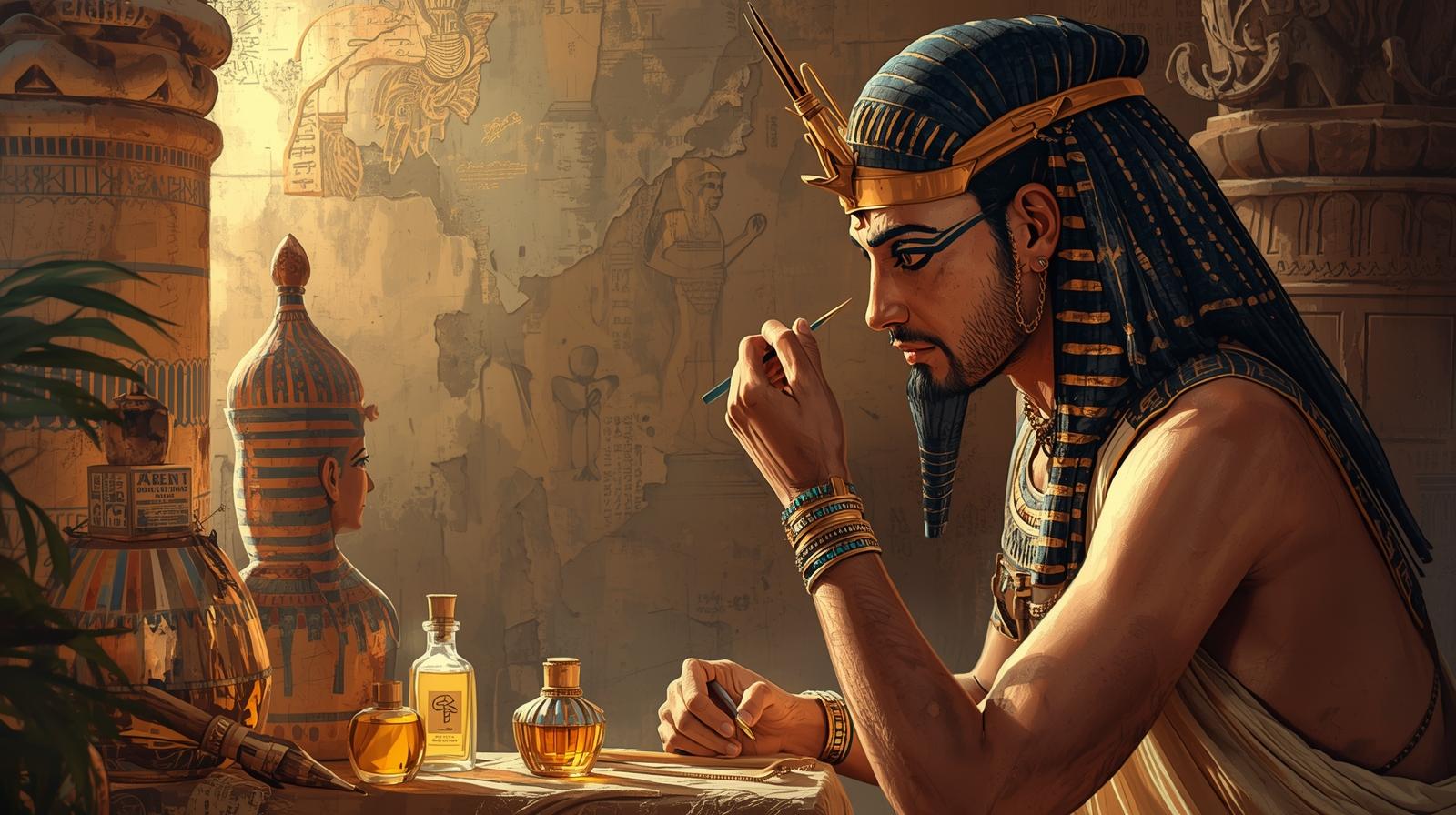
In the realm of beauty and grooming, Ancient Egypt stands as a beacon of sophistication and innovation, particularly when it comes to men’s beauty rituals. This civilization, renowned for its advancements in architecture, mathematics, and governance, also placed a significant emphasis on personal grooming and aesthetics. The practices developed in this era not only highlight the cultural importance of appearance but also reveal intriguing insights into the social and spiritual lives of ancient Egyptians.
The Cultural Significance of Beauty in Ancient Egypt
Beauty in Ancient Egypt was not merely about physical appearance; it was deeply intertwined with spiritual and social dimensions. Men, much like women, engaged in elaborate beauty rituals that were believed to enhance their physical allure, signal social status, and even protect against evil spirits. These rituals were seen as essential for both the living and the afterlife, reflecting a holistic approach to beauty and wellness.
Egyptian Beauty Secrets: More Than Skin Deep
The ancient Egyptians believed that beauty was a reflection of divine order and harmony. This belief extended to their grooming practices, where the use of cosmetics and perfumes was prevalent. For men, beauty rituals were a daily practice that involved an array of products and techniques, many of which have intriguing parallels with modern wellness trends.
Ancient Egyptian Makeup for Men
The use of makeup by men in Ancient Egypt was not merely for aesthetic purposes but also for health and spiritual reasons. Here’s a closer look at some of the most notable ancient makeup techniques:
Kohl: The Iconic Eye Enhancer
One of the most enduring symbols of Egyptian beauty, kohl was used extensively by men to line their eyes. This dark powder, made from ground galena (a type of lead ore), was applied to both the upper and lower eyelids using a small stick. The application of kohl was believed to have protective properties, shielding the eyes from the harsh desert sun and warding off evil spirits. Its aesthetic appeal was also significant, as the bold eye lines became a hallmark of Egyptian identity.
Rouge and Lip Color
Contrary to contemporary Western perceptions, men in Ancient Egypt also used rouge on their cheeks and lips to enhance their appearance. These pigments were typically made from red ochre mixed with fat or resin. The use of rouge signified vitality and health, reflecting the Egyptians’ holistic view of wellness.
Scent as a Status Symbol
Perfumes and scented oils were a crucial part of the ancient Egyptian beauty regime. Men wore fragrances not only to smell pleasant but also as a marker of their social status and divine favor. The production of perfumes was a sophisticated process, often involving the infusion of oils with floral and herbal essences. These scents were believed to connect the wearer with the gods, further underscoring the spiritual dimension of beauty.
The Rituals of Grooming and Well-being
Grooming in Ancient Egypt went beyond mere cosmetics. It was an elaborate ritual that included skincare and hair care, reflecting a comprehensive approach to personal well-being.
Skincare: The Foundation of Beauty
Skincare was paramount in the Egyptian beauty regimen, with men using a variety of natural ingredients to maintain their skin’s health and appearance. Oils such as almond, moringa, and castor were frequently used to moisturize and protect the skin from the arid climate. Additionally, exfoliants made from sand or ground pumice stone were used to smooth the skin, a practice that mirrors today’s exfoliation techniques.
Haircare: A Symbol of Order and Power
Hair held significant importance in Egyptian society, symbolizing power and order. Men often wore their hair short or shaved their heads to prevent lice and maintain hygiene. Wigs, made from human hair or plant fibers, were popular among the elite, serving as a status symbol and a means of protection against the sun.
Modern Implications: Lessons from the Past
The beauty rituals of Ancient Egyptian men offer valuable insights into the intersection of wellness, identity, and social practices, which remain relevant today. For wellness product developers, these ancient practices underscore the importance of holistic, ingredient-conscious approaches that resonate with consumers seeking authenticity and connection to history.
Innovation Inspired by Tradition
By drawing inspiration from ancient rituals, modern wellness brands can create products that not only cater to contemporary aesthetic desires but also address deeper cultural and spiritual needs. The emphasis on natural ingredients and multifunctional products in ancient Egyptian beauty provides a blueprint for today’s clean beauty movement.
The Role of Identity and Expression
For lifestyle magazine editors and health and wellness coaches, understanding the historical context of beauty rituals can enrich content and client strategies. Ancient Egyptian practices highlight how grooming and self-care are deeply tied to identity and expression, offering a lens through which to view modern consumer behavior and preferences.
Conclusion
Men’s beauty rituals in Ancient Egypt were profound expressions of cultural values, spirituality, and social identity. These practices, rich in tradition and innovation, continue to influence contemporary wellness trends. By embracing the lessons from these ancient rituals, today’s wellness industry can create meaningful connections with consumers, honoring the past while innovating for the future.
In sum, the beauty rituals of Ancient Egyptian men serve as a timeless testament to the enduring human quest for self-expression and holistic well-being.


