


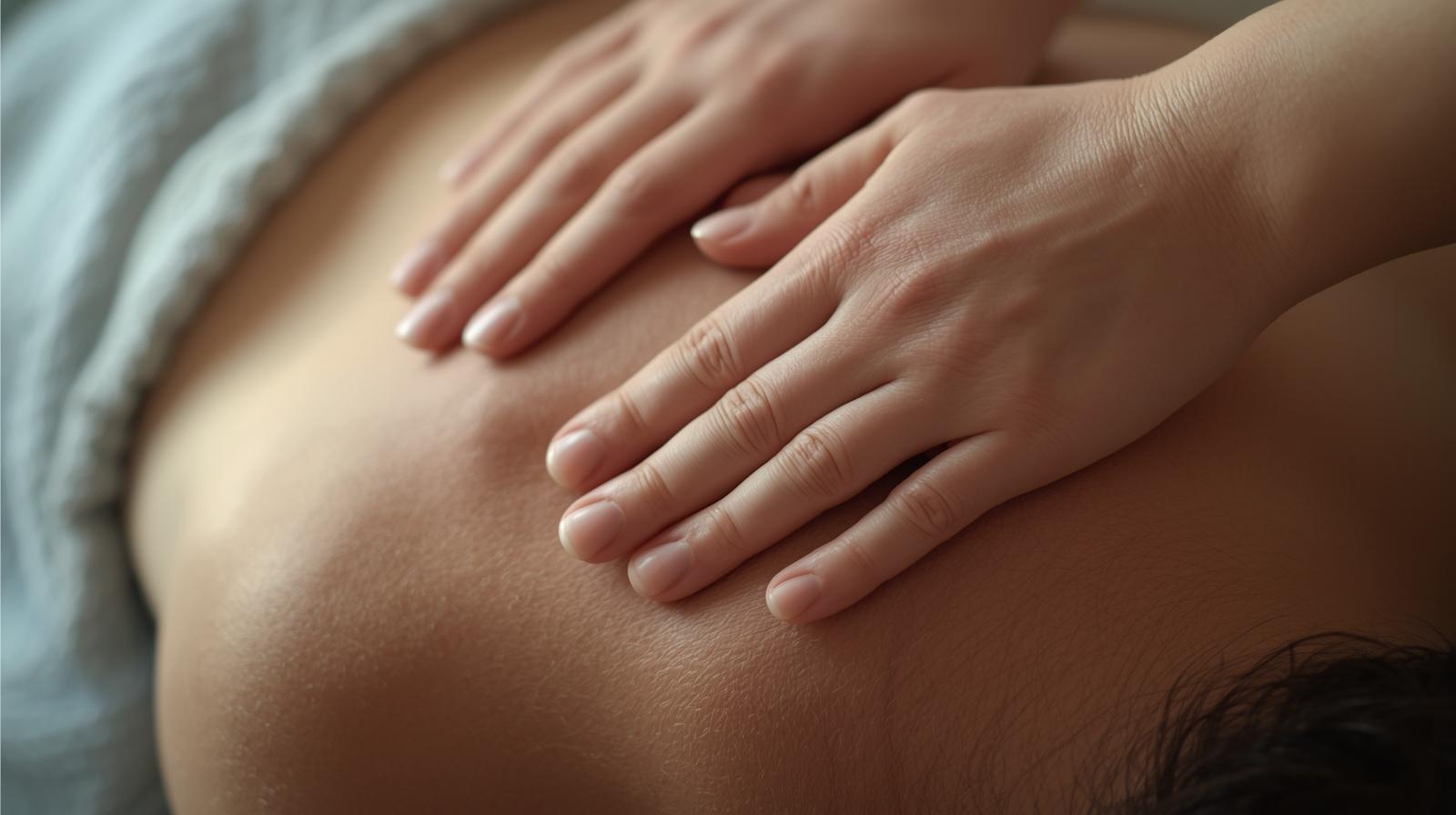
Lymphatic drainage massage has emerged as a prominent trend in the wellness industry, celebrated for its potential to enhance overall health and well-being. This technique, rooted in the principles of massage therapy, aims to stimulate the lymphatic system, promoting the removal of toxins and improving circulation. As an adept analyst of lifestyle trends, it’s clear that understanding and implementing lymphatic drainage self-massage can offer numerous benefits. This article will explore the science behind lymphatic massage, provide practical tips for self-massage, and discuss its broader implications in the wellness sector.
To appreciate the benefits of lymphatic drainage, it’s crucial to understand the lymphatic system’s role in our body. This network of vessels and nodes is responsible for transporting lymph, a fluid containing white blood cells, throughout the body. The lymphatic system plays a key part in immune function, fluid balance, and the removal of waste products.
When the lymphatic system becomes sluggish or blocked, it can lead to fluid retention, weakened immunity, and a feeling of overall lethargy. Herein lies the importance of lymphatic massage, which aims to facilitate the movement of lymph and enhance the body’s natural detoxification processes.
Lymphatic drainage massage offers numerous advantages, making it a valuable addition to any wellness routine. Some of the primary benefits include:
By stimulating the lymphatic system, this type of massage can boost the body’s immune response. Improved lymph flow helps to filter out pathogens and waste, reducing the likelihood of infections and illnesses.
Lymphatic massage can be particularly beneficial for those experiencing edema or fluid retention. By promoting lymph flow, this technique helps reduce swelling and improve circulation, leaving you feeling lighter and more energized.
The detoxifying effects of lymphatic massage can also enhance skin health. By clearing out toxins and promoting circulation, it can lead to a clearer complexion and a healthier glow.
Like other forms of massage therapy, lymphatic drainage can promote relaxation and reduce stress. The gentle, rhythmic movements used in this technique can have a calming effect on the nervous system, promoting a sense of well-being.
Self-massage can be an effective way to experience the benefits of lymphatic drainage without visiting a professional therapist. Here are some tips to help you perform this technique at home:
Create a calming environment to enhance your self-massage experience. Consider dimming the lights, playing soothing music, and using aromatherapy to relax your senses.
Lymphatic drainage relies on gentle, rhythmic movements. Use light pressure to stimulate lymph flow without causing discomfort. Remember, the lymphatic system is located just beneath the skin, so there’s no need for deep tissue manipulation.
Begin at the base of the neck, where lymph nodes are concentrated. Use gentle, circular motions to encourage lymph flow toward the heart. Gradually work your way down the body, focusing on areas with a high concentration of lymph nodes, such as the armpits, groin, and behind the knees.
Drinking water before and after your self-massage can help flush toxins from your system and support the body’s natural detoxification processes.
Incorporate lymphatic self-massage into your regular wellness routine for the best results. Consistency is key to experiencing the full range of benefits.
The rising popularity of lymphatic drainage massage reflects broader trends in the wellness industry. As consumers become increasingly aware of the importance of holistic health practices, techniques that promote detoxification and immune support are gaining traction.
Lymphatic massage aligns with the wellness industry’s shift toward preventative health measures and self-care practices. This trend underscores a cultural movement that values proactive health management over reactive treatment.
For wellness product developers, the popularity of lymphatic drainage presents opportunities to create innovative products that support this practice. From specialized massage tools to lymphatic-supportive skincare products, the potential for new offerings is vast.
Lifestyle magazine editors and health coaches can capitalize on this trend by providing educational content that demystifies lymphatic drainage and empowers consumers to incorporate it into their routines. By highlighting the connection between wellness practices, identity, and social practices, they can engage readers and clients more effectively.
Lymphatic drainage self-massage represents a powerful tool in the pursuit of holistic health and well-being. By understanding the science behind the lymphatic system and incorporating this practice into your routine, you can experience its myriad benefits. As the wellness industry continues to evolve, lymphatic massage stands out as a practice that resonates with contemporary lifestyle trends, offering both cultural and economic significance.
Whether you’re a wellness product developer, lifestyle magazine editor, or health coach, understanding the implications of lymphatic drainage can enhance your ability to navigate the ever-changing wellness landscape. By embracing this practice, you can contribute to the broader movement toward proactive, preventative health and well-being.


