


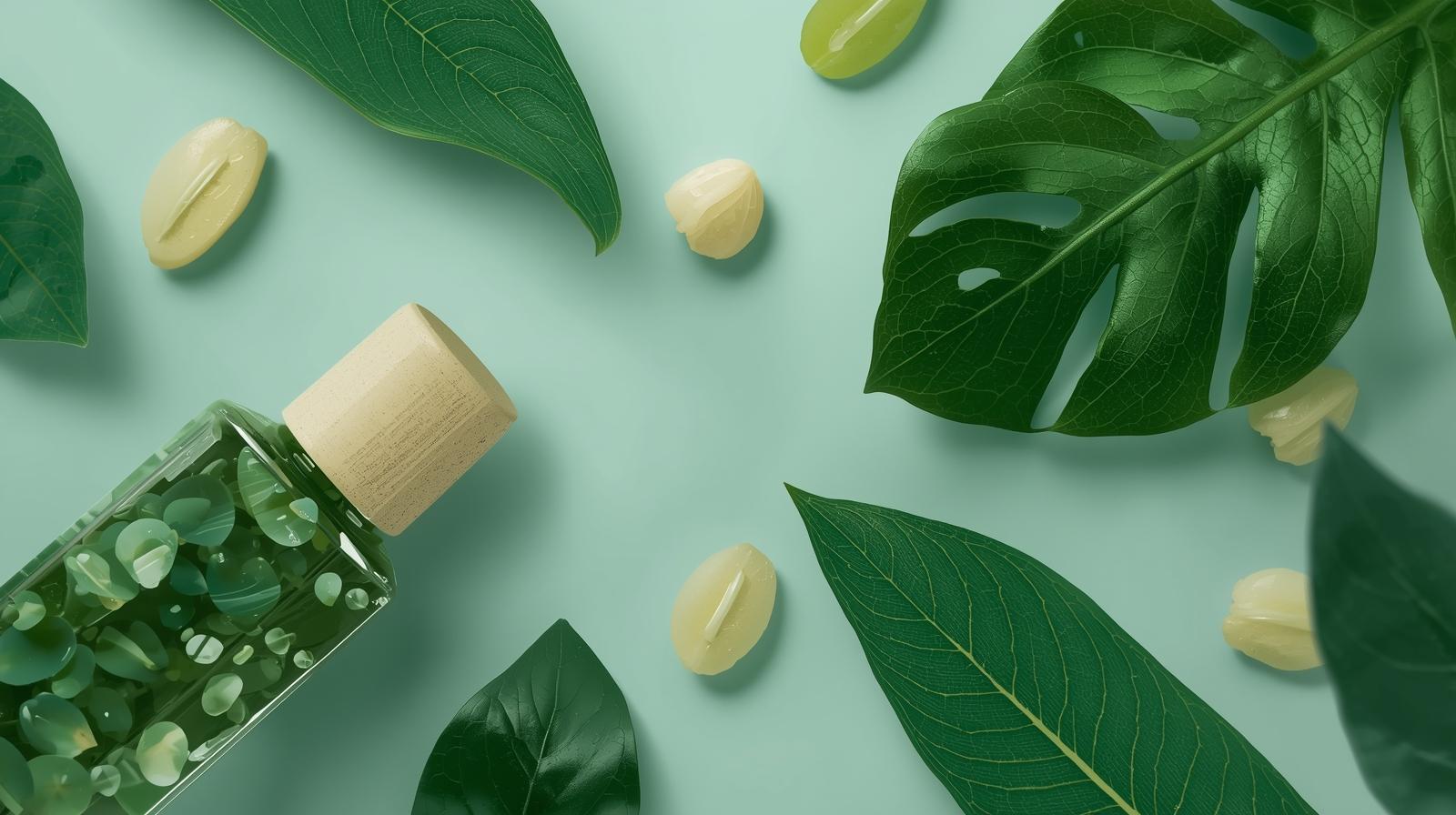
The beauty industry is undergoing a profound transformation as sustainable practices become a cornerstone of its evolution. As consumers grow increasingly conscious of their environmental impact, the demand for eco-friendly and socially responsible products continues to rise. This shift is not only reshaping beauty trends for 2025 and beyond but is also setting new standards for how companies operate within the industry.
The Rise of Eco-Conscious Consumers
In recent years, there has been a marked increase in consumer awareness regarding the environmental and ethical implications of their purchasing decisions. Today’s beauty consumers are informed, discerning, and eager to support brands that align with their values. This trend is evident in the proliferation of eco-friendly skincare and beauty products that prioritize sustainability throughout their lifecycle—from sourcing raw materials to packaging and distribution.
Skincare Trends 2025: Embracing Sustainability
As we look towards skincare trends in 2025, sustainability will be at the forefront. Brands are expected to adopt more sustainable practices, such as utilizing biodegradable packaging, reducing carbon footprints, and sourcing ethically-produced ingredients. Transparency in ingredient sourcing and manufacturing processes will become a key selling point for consumers who demand accountability and authenticity from their chosen brands.
Furthermore, the concept of “clean beauty” will continue to gain traction. This involves formulating products without harmful chemicals and ensuring they are safe for both the user and the environment. Brands that can successfully integrate these practices into their product lines will likely see increased consumer loyalty and market share.
Innovations Driving Change in the Beauty Industry
Beauty Industry Trends 2025: Technological Advances
The future of beauty is inextricably linked to technological advancements. Innovations in biotechnology and green chemistry are enabling the development of sustainable alternatives to traditional beauty products. For instance, lab-grown ingredients and plant-based compounds are being utilized to create effective skincare solutions without the environmental drawbacks of conventional methods.
Moreover, technology is enhancing the way consumers engage with beauty products. Augmented reality (AR) and artificial intelligence (AI) are transforming the shopping experience by allowing consumers to virtually try on products and receive personalized recommendations based on their unique skin profiles. These technological innovations not only improve consumer satisfaction but also reduce waste by minimizing the need for physical samples.
Packaging and Waste Reduction
Packaging waste has long been a challenge for the beauty industry. However, brands are now investing in innovative solutions to address this issue. Refillable containers, compostable packaging, and minimalist designs that use fewer resources are becoming increasingly popular. Such initiatives not only reduce environmental impact but also resonate with consumers who prioritize sustainability.
The Social and Cultural Impact of Sustainable Beauty
The movement towards sustainability is not merely an industry trend; it reflects a broader cultural shift towards conscious consumerism. As beauty becomes more intertwined with identity and personal values, the industry must respond to the evolving expectations of its audience.
Beauty Trends 2025: A Cultural Perspective
Beauty trends in 2025 will be shaped by a diverse array of influences, including cultural appreciation and inclusivity. Consumers are seeking products that reflect their unique identities and cater to a wide range of needs. This includes embracing diverse skin tones, hair types, and cultural beauty practices. Brands that champion inclusivity and representation are likely to thrive in this new landscape.
The intersection of beauty and social values is also evident in the rise of vegan and cruelty-free products. As consumers become more aware of animal welfare issues, they are increasingly opting for products that align with their ethical standards. This shift is compelling brands to reformulate products and adopt more humane practices, further illustrating the impact of social values on industry trends.
Practical Applications for Industry Stakeholders
For Wellness Product Developers
Wellness product developers must stay ahead of these trends by integrating sustainable practices into their product development processes. This involves sourcing sustainable ingredients, reducing environmental impact through eco-friendly packaging, and leveraging technology to enhance product efficacy and consumer engagement.
By aligning their offerings with contemporary lifestyle trends, developers can create products that resonate with consumers and foster brand loyalty.
For Lifestyle Magazine Editors
Editors have a unique opportunity to shape public discourse around sustainable beauty by highlighting the connection between wellness trends, identity, and social practices. By providing readers with insightful articles that reflect the evolving dynamics of the beauty industry, editors can engage audiences and reinforce the importance of sustainability.
For Health and Wellness Coaches
Coaches can enhance their practice by incorporating an understanding of societal trends into their strategies. By staying informed about the latest developments in sustainable beauty and wellness, they can offer clients tailored advice that aligns with current cultural and economic phenomena.
Conclusion
The beauty industry is at a pivotal moment as sustainable practices redefine its future trajectory. With eco-conscious consumers driving demand for ethical and environmentally-friendly products, brands must adapt to meet these expectations. By embracing sustainability, leveraging technological innovations, and understanding the cultural implications of beauty trends, industry stakeholders can navigate this transformative landscape and contribute to a more sustainable future.
As we approach 2025, the confluence of sustainability and beauty will continue to shape the industry, influencing everything from product development to consumer engagement. By prioritizing sustainable practices, the beauty industry can not only respond to the demands of the modern consumer but also play a pivotal role in fostering a more sustainable world.


