


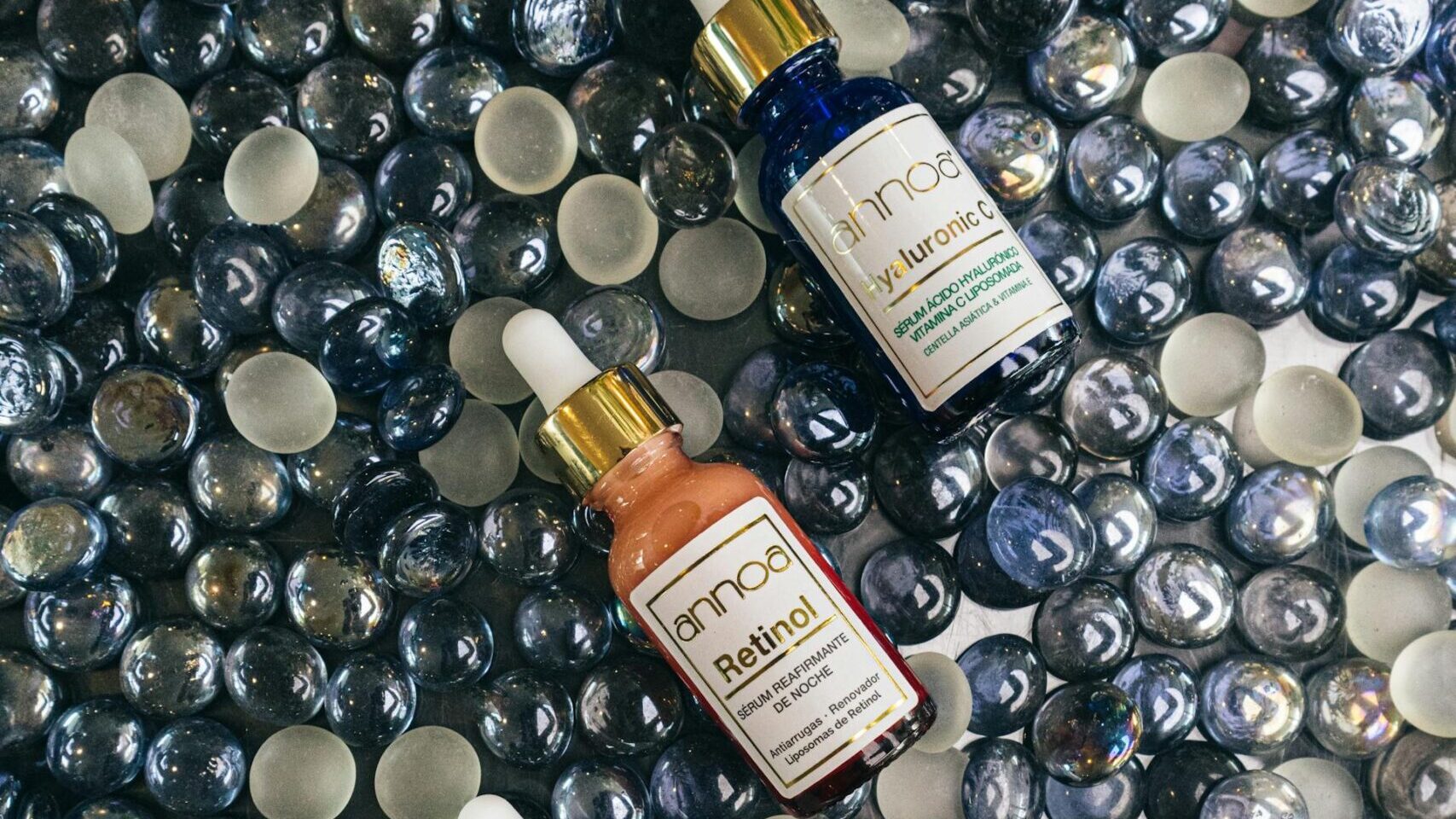
The idea that retinol thins your skin is one of the most persistent myths in skincare. This fear is often fueled by early side effects such as flaking or peeling. In reality, scientific research shows the opposite effect. That initial peeling simply means the outer layer of dead skin cells is shedding.
What happens beneath the surface is far more important. In the deeper layer of skin, known as the dermis, retinol stimulates collagen production. This process strengthens the skin’s support structure and encourages healthier skin function over time.
Because of this, retinol is safe for long-term use when applied correctly. Instead of becoming weaker, the skin gradually becomes thicker, stronger, and more resilient. Fine lines appear softer not because the skin is fragile, but because it is healthier and better supported from within.
The Real Magic: How Retinol Renews Your Skin From the Inside Out
Retinol’s well-known glow is not instant or magical. It is the result of increased cell turnover, which is the skin’s natural process of shedding old cells and replacing them with new ones.
You can think of cell turnover like a conveyor belt. As we age, that belt slows down. This leads to dullness, uneven texture, and clogged pores. Retinol helps speed up this process, allowing fresh, healthy skin cells to rise to the surface more efficiently.
Because this renewal happens gradually, results take time. During the adjustment phase, often called the retinization period, the faster turnover may push underlying congestion to the surface. This can cause temporary breakouts before visible improvements appear.
The Retinol Purge: Is It Working or Causing Damage?
Those temporary breakouts are often referred to as a retinol purge. This does not mean your skin is being harmed. Retinol does not create new acne. Instead, it accelerates the clearing of clogged pores that were already forming beneath the surface.
The key is knowing how to tell the difference between a normal purge and true irritation.
Purging usually looks like small pimples or whiteheads appearing in areas where you typically break out. This phase is temporary and often lasts between two and four weeks.
Irritation, on the other hand, feels different. It may involve widespread redness, stinging, burning, excessive peeling, or persistent discomfort. These symptoms are a sign that your skin barrier is overwhelmed and needs a break.
A true purge means the product is working. Irritation means you should reduce usage or stop altogether. With the right approach, most people can minimize both while still seeing excellent results.
Your Fail-Proof Starter Plan: How to Use Retinol for the First Time
When it comes to retinol, using more does not mean faster results. A pea-sized amount is enough for the entire face. Applying too much increases the risk of redness, dryness, and irritation without improving effectiveness.
Apply small dots to the forehead, cheeks, and chin, then gently spread the product evenly across the skin.
If you have sensitive skin, the sandwich method can make a big difference. Start with a light layer of moisturizer, then apply retinol, and finish with another thin layer of moisturizer. This buffering technique helps reduce dryness and irritation while still allowing retinol to work.
Frequency matters just as much as quantity. Begin with one night per week. If your skin tolerates it well, increase to two nights per week after a couple of weeks. Gradual progress allows your skin to adapt safely and comfortably.
Retinol’s Do Not Mix List: Ingredients to Avoid on the Same Night
On nights when you use retinol, it is best to keep your routine simple. Avoid combining it with strong exfoliating acids such as glycolic acid, lactic acid, or salicylic acid. High-strength vitamin C products should also be skipped on retinol nights.
The reason is simple. Retinol and acids both speed up skin renewal. Using them together can overwhelm the skin, leading to irritation, redness, and a compromised skin barrier that may take weeks to repair.
This does not mean you need to stop using other active ingredients entirely. Instead, separate them into different routines. Vitamin C works best in the morning, where it helps protect the skin from environmental stress. Exfoliating acids can be used on alternate nights when retinol is not applied.
Listening to your skin and allowing rest days is just as important as applying active treatments.
Retinol vs Alternatives: Choosing the Right Option
Retinoids come in several forms, and understanding their strength levels can help you choose the right one.
Tretinoin is the strongest option and requires a prescription. It works quickly and is often used for persistent acne or advanced signs of aging.
Retinal is the strongest over-the-counter retinoid. It converts to active retinoic acid faster than retinol and is best suited for experienced users.
Retinol is the best starting point for most people. It is effective, widely available, and gentler than stronger alternatives. Beginners should look for lower concentrations between 0.1 percent and 0.3 percent.
For very sensitive skin, bakuchiol is a plant-based alternative that offers similar smoothing and brightening benefits with a much lower risk of irritation.
Your Six-Month Retinol Roadmap: What to Expect
Retinol requires patience. During the first one to two months, your skin is adjusting. Mild dryness or temporary breakouts may occur. By months three and four, the skin often looks brighter and smoother. Around month six, improvements in texture, fine lines, and overall tone become more noticeable.
Consistency matters more than strength. A gentle product used regularly will deliver better results than an aggressive one used inconsistently.
Retinol works at night, renewing your skin while you sleep. Sunscreen during the day is essential to protect the new skin cells being formed. Together, retinol and sunscreen create a powerful combination for long-term skin health and radiance.


