


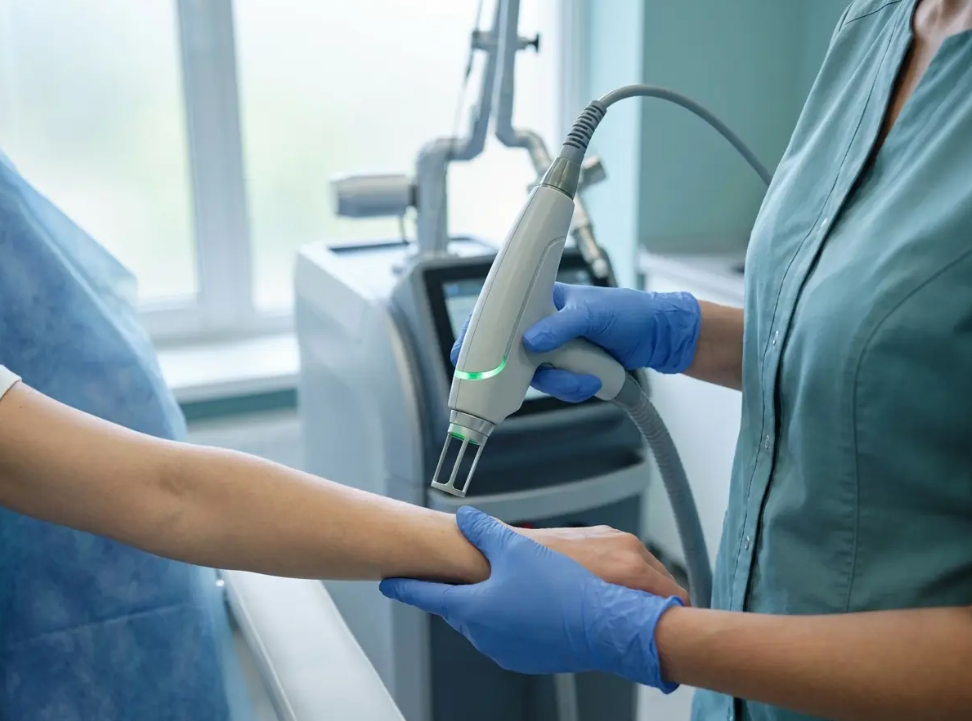
To understand what is cosmetic dermatology, one must recognize its focus on improving the appearance of the skin, hair, and nails through advanced medical procedures. Millions of Americans seek out these specialized treatments every year to address visible signs of aging or correct specific skin conditions. Unlike traditional medical dermatology, this highly specialized field of medical aesthetics emphasizes aesthetic outcomes rather than treating active diseases.
You might consider these procedures if you want to smooth wrinkles, fade dark spots, or tighten loose skin. Recent advances in medical technology have made these [aesthetic treatments] safer and more accessible than ever before. The primary goal is to help patients look refreshed and confident without requiring invasive surgical interventions.
Medical dermatology treats serious health issues like melanoma, severe cystic acne, or painful psoriasis flare-ups. In contrast, what is cosmetic dermatology often involves stepping in when you want to refine your physical appearance and boost your self-esteem. A board-certified dermatologist uses advanced medical science to reverse sun damage, smooth dynamic wrinkles, or restore lost facial volume.
The American Society for Dermatologic Surgery reports that their members performed nearly fourteen million procedures recently. This staggering statistic shows a massive cultural shift in how people approach skin aging and long-term maintenance. Patients no longer view aesthetic treatments as a luxury, but rather as standard personal care.
Doctors achieve these delicate aesthetic balances through a profound understanding of facial anatomy and cellular biology. They evaluate your underlying bone structure, muscle movement patterns, and overall skin quality before recommending any intervention. This comprehensive medical approach produces noticeable but entirely natural-looking improvements for the patient.
- Aesthetic dermatology focuses on aesthetic improvements rather than treating active medical diseases.
- These procedures utilize advanced medical science to reverse aging signs and restore facial volume.
- Providers rely on a deep understanding of facial anatomy to produce natural-looking results.
Common Skin Concerns Addressed by Aesthetic Dermatology and Skin Rejuvenation
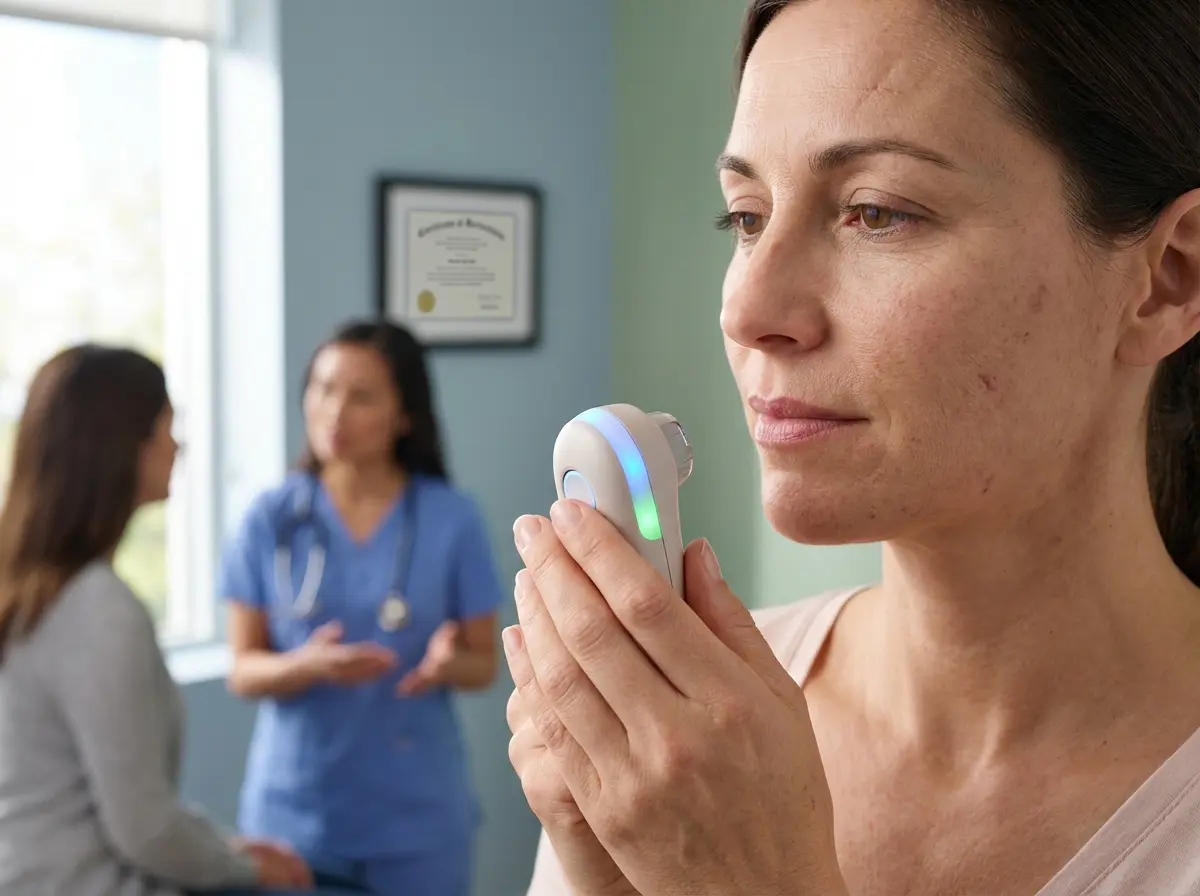
People visit a cosmetic dermatologist for a wide variety of physical concerns that impact their daily confidence. Sun damage ranks as the primary complaint for most patients living in the United States over age forty. Years of ultraviolet exposure lead to hyperpigmentation, broken blood vessels, and severely degraded collagen structures.
Volume loss presents another major physical challenge as the human face naturally ages over time. Fat pads in the cheeks and under the eyes begin to shrink and slide downward due to gravity. This physical shift creates deep folds around the mouth and a hollow, tired appearance in the mid-face region.
Are you tired of looking more exhausted than you actually feel on a daily basis? Dermatologists strategically replace this lost volume using synthetic gels to restore youthful, elevated facial contours. They can also address severe acne scarring that traps shadows and makes the skin look permanently uneven.
Always wear a broad-spectrum sunscreen with SPF 30 or higher every single day. Sun protection preserves your cosmetic results and prevents future cellular damage from occurring.
Popular Skin Rejuvenation and Cosmetic Dermatology Treatments for Anti-Aging
Patients have access to dozens of highly effective, non-invasive procedures in modern dermatology clinics today. These advanced treatments require minimal physical downtime compared to traditional plastic surgery recovery periods. Let us examine the most frequently requested medical options available in clinics across the country.
Injectables and Neuromodulators
Botulinum toxin type A, commonly known as Botox, remains the absolute top cosmetic procedure in America. Providers inject this purified protein to


