


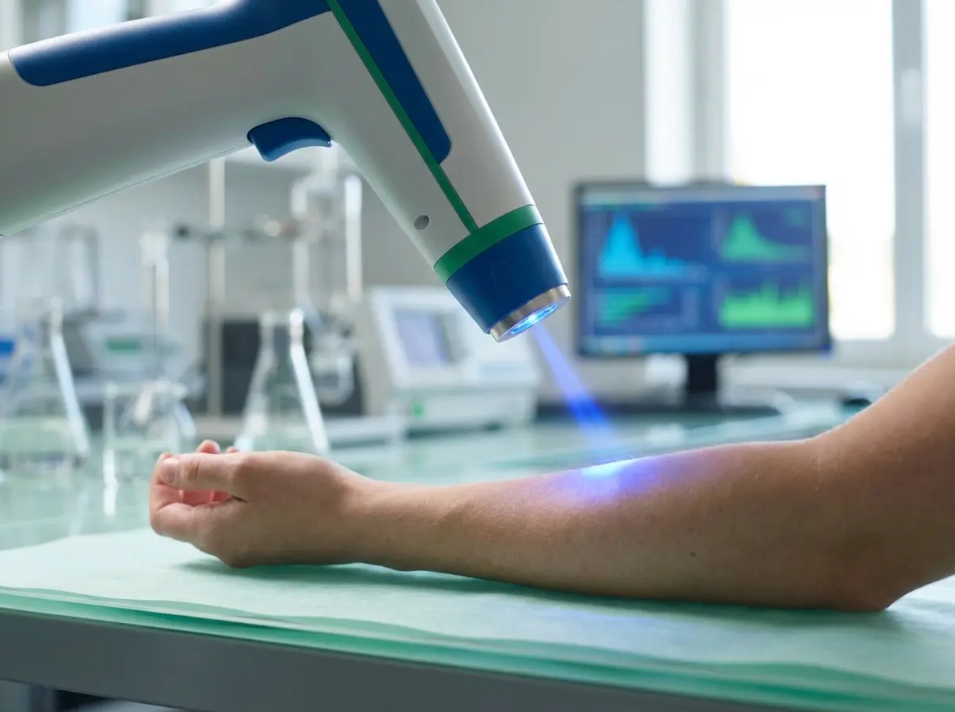
Therapeutic blue light has transformed modern dermatological and psychological treatments over the course of the last decade. Clinicians frequently harness these specific wavelengths of light to trigger beneficial biological responses within the human body. You might readily recognize blue light as the bright glow emitting from your digital screens and smartphones.
However, medical-grade blue light therapy serves a completely different purpose and provides measurable, documented health benefits. This non-invasive treatment modality continues to gain significant traction across multiple medical disciplines in the United States. Medical researchers are constantly discovering exciting new applications for these highly targeted light frequencies.
Light therapy relies entirely on different wavelengths to penetrate human skin and underlying tissue at varying depths. This form of therapeutic blue light therapy operates specifically within the narrow 400 to 450 nanometer range on the electromagnetic spectrum. This specific wavelength carries high energy that interacts directly with cellular structures and specialized biological photoreceptors.
When human skin absorbs therapeutic blue light, it immediately initiates a rapid cascade of beneficial photochemical reactions. The light creates reactive oxygen species within targeted cells, which causes a highly controlled and localized cellular destruction. Doctors utilize this precise mechanism to target harmful bacteria and precancerous cells without damaging the surrounding healthy tissue.
Therapeutic blue light operates independently from ultraviolet (UV) light. While UV light causes cellular damage and premature aging, controlled blue light therapy targets specific biological functions without increasing your risk of skin cancer.
The biological impact of therapeutic blue light extends far beyond the superficial surface layers of your skin. Photoreceptors located in your eyes also absorb these specific wavelengths to regulate vital internal hormonal balances. This impressive dual-action capability makes blue light an incredibly versatile tool in modern clinical medical practice.
Understanding the physics of light absorption helps patients appreciate the clinical value of these specialized treatments. The energy from the blue light directly alters the chemical composition of targeted cellular structures. This process happens on a microscopic level, but it produces highly visible and measurable clinical results.
Treating Skin Conditions with Therapeutic Blue Light Therapy for Acne
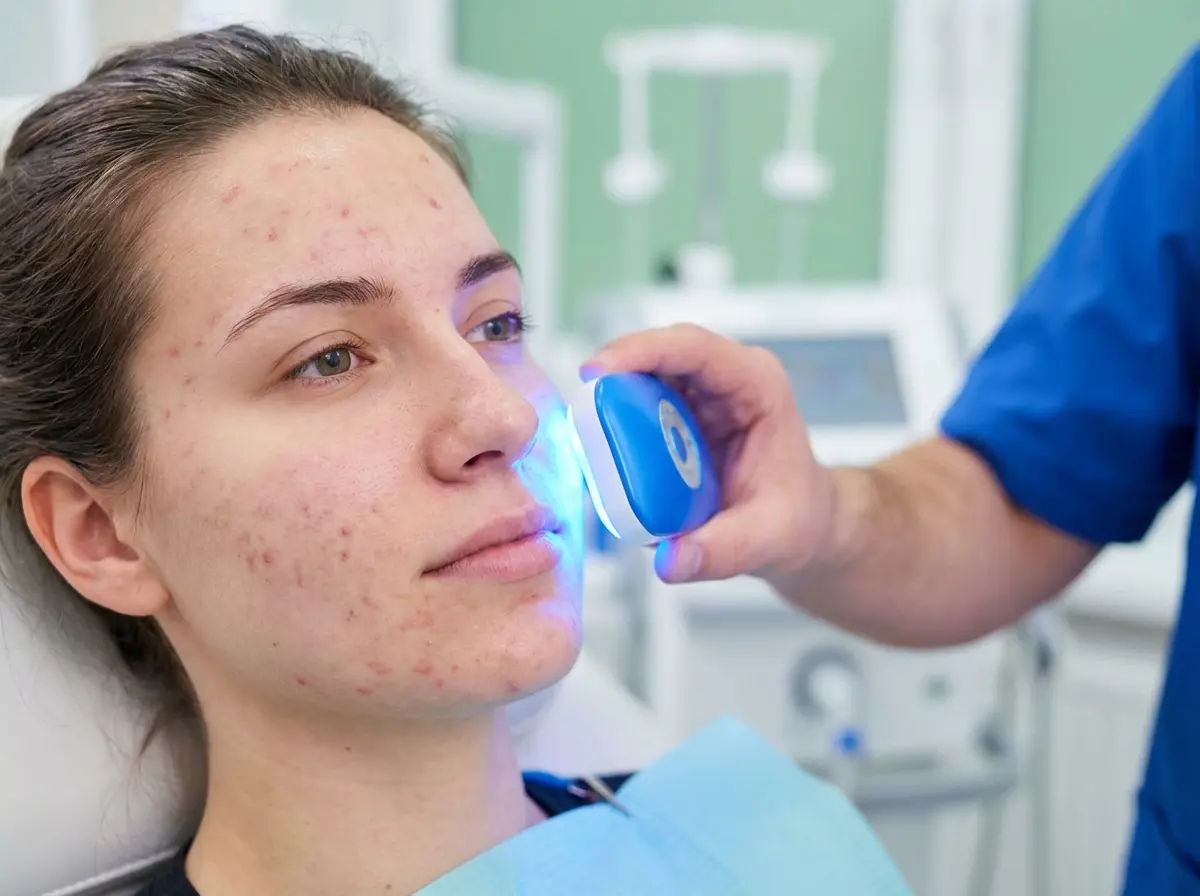
Dermatologists frequently prescribe therapeutic blue light therapy to treat mild to moderate cases of persistent acne vulgaris. The light directly targets Propionibacterium acnes, the specific bacteria responsible for most inflammatory acne breakouts. By destroying these harmful bacteria, patients experience a significant reduction in active blemishes and future acne flare-ups.
Clinical trials show that patients often see a 60 percent reduction in acne lesions after consistent blue light treatment. The treatment is entirely non-invasive and provides an excellent alternative for patients who cannot tolerate oral antibiotics. Treatment sessions typically last between 15 and 30 minutes in a standard dermatological clinical setting.
Medical professionals also use this specific therapy to manage actinic keratosis, a common precancerous skin condition. They apply a topical photosensitizing agent to the skin before exposing it to the therapeutic blue light source. The intense light activates the medication, which destroys the abnormal cells and prevents potential skin cancer development.
The recovery process following an actinic keratosis treatment is generally straightforward and manageable for most patients. The treated skin will naturally peel and flake off, revealing healthier tissue underneath within a few short weeks. This preventative medical approach helps thousands of Americans avoid invasive surgical procedures each year.
- Therapeutic blue light specifically targets and destroys the bacteria responsible for most acne breakouts.
- Dermatologists combine therapeutic blue light with topical photosensitizers to treat precancerous actinic keratosis safely.
- Clinical sessions typically last up to 30 minutes and provide a non-invasive alternative to oral medications.
Circadian Rhythm and Mood Regulation: Using Therapeutic Blue Light for Sleep
Your eyes contain specialized photoreceptors that are highly sensitive to specific blue light wavelengths. These receptors communicate directly with the suprachiasmatic nucleus, the brain region responsible for regulating your daily circadian rhythm. Proper exposure to therapeutic blue light during morning hours helps synchronize your internal biological clock effectively.
Psychiatrists regularly recommend blue light therapy for patients suffering from diagnosed Seasonal Affective Disorder (SAD). During dark winter months, decreased sunlight exposure often disrupts melatonin production and serotonin levels in the human brain. Daily sessions with a therapeutic light box can artificially stimulate the brain to restore emotional balance.
Do you struggle with maintaining a consistent and restful sleep schedule throughout the work week? Strategic blue light therapy can help shift your sleep phase earlier or later depending on your needs. You can effectively reset your biological clock by timing your daily light exposure correctly.
Optimal Timing for Therapeutic Blue Light Treatment Exposure
Morning exposure helps suppress natural melatonin production, signaling to your body that it is time to wake up. Experts recommend 20 to 30 minutes of light therapy immediately after waking for maximum clinical effectiveness. Evening exposure, conversely, should be strictly avoided as it can severely disrupt your natural sleep patterns.
Consistency in timing is absolutely crucial when using light therapy to correct circadian rhythm disorders. Your brain relies on predictable environmental cues to regulate hormone secretion throughout a standard 24-hour cycle. Changing your treatment schedule constantly will confuse your biological clock and diminish the therapeutic benefits.
Using a Therapeutic Blue Light Therapy Device for Sleep
1. Position the Blue Light Therapy Device Correctly
Place the light box on a desk or table approximately 16 to 24 inches away from your face. Ensure the light enters your eyes indirectly, rather than staring straight into the bulbs.
2. Time Your Daily Blue Light Treatment Session
Turn on the device immediately after waking up in the morning. Sit near the light for 20 to 30 minutes while you eat breakfast or read.
3. Monitor Your Sleep Patterns and Light Therapy Results
Track your sleep quality and energy levels throughout the first two weeks of treatment. Adjust the duration of your morning light exposure based on how easily you fall asleep at night.
Emerging Applications: Therapeutic Blue Light Treatment in Pain and Healing
Recent medical research indicates that therapeutic blue light may offer significant benefits for comprehensive pain management strategies. Studies show that targeted blue light exposure can stimulate the release of nitric oxide throughout the human body. Nitric oxide improves local blood flow, which helps reduce severe inflammation and alleviates localized muscle pain.
Medical researchers are also investigating the role of blue light in accelerating the natural wound healing process. The antimicrobial properties of the light help prevent dangerous wound infections, especially in chronic ulcers and severe burns. Improved blood circulation further delivers essential nutrients and vital oxygen directly to the damaged cellular tissues.
When selecting an at-home blue light device for pain management, verify that the product has received proper FDA clearance. Medical-grade devices provide the specific intensity required to stimulate blood flow and reduce inflammation effectively.
While these applications remain in the early stages of clinical validation, the preliminary data appears highly promising. Hospitals currently test specialized blue light wraps to treat chronic joint pain and superficial soft tissue injuries. This non-pharmacological approach could eventually reduce patient reliance on traditional prescription pain medications.
Veterinary medicine has also begun adopting blue light technology for treating injured companion animals. Veterinarians use these advanced devices to speed up recovery times for dogs and cats following major surgical procedures. This successful cross-species application highlights the fundamental biological effectiveness of targeted light therapies.
Safety Guidelines and Potential Side Effects of Therapeutic Blue Light Therapy
Blue light therapy maintains an excellent safety profile when administered under proper professional medical supervision. However, patients must wear specialized protective eyewear during facial treatments to prevent accidental retinal damage. Direct exposure to high-intensity blue light can cause irreversible macular degeneration over extended periods of time.
Some patients experience minor temporary side effects immediately following a targeted clinical skin treatment session. These effects typically include mild redness, localized swelling, and temporary skin dryness in the specifically treated areas. Most of these common symptoms resolve naturally within 24 to 48 hours without any additional medical intervention.
You should consult your primary care physician before starting any new light therapy regimen at home. Certain prescription medications, such as tetracycline antibiotics or St. John’s Wort, increase your natural physiological sensitivity to light. Combining these specific substances with blue light therapy can result in severe skin burns or painful blistering.
Patients with a documented history of lupus or porphyria should generally avoid blue light treatments entirely. These underlying medical conditions cause extreme photosensitivity that can trigger severe and painful autoimmune flare-ups. A thorough medical history review will help your doctor determine if light therapy is medically appropriate for you.
- Always wear specialized protective eyewear during facial treatments to prevent long-term retinal damage.
- Consult your physician before starting therapy, as certain medications significantly increase your natural photosensitivity.
- Consistency with your treatment schedule is absolutely essential for achieving noticeable clinical improvements.
Integrating Therapeutic Blue Light with Other Light Therapy Modalities
Clinicians frequently combine blue light therapy with red light therapy to maximize overall patient outcomes. While blue light targets surface bacteria, red light penetrates deeper to reduce inflammation and promote new collagen production. This dual-wavelength approach provides a highly comprehensive treatment strategy for severe acne and advanced skin aging.
Psychological treatments also benefit from a multi-disciplinary approach that directly incorporates therapeutic light sessions. Therapists often combine daily light sessions with cognitive behavioral therapy to treat severe clinical depression effectively. Patients typically report significantly faster mood improvements when utilizing both therapeutic methods simultaneously.
Skincare professionals regularly incorporate blue light sessions immediately following chemical peels or professional microdermabrasion procedures. The light therapy helps soothe the freshly exfoliated skin while actively preventing post-procedure bacterial infections. This powerful combination significantly reduces patient downtime and dramatically enhances the overall cosmetic results.
Conclusion: The Future of Therapeutic Blue Light Treatment
Therapeutic blue light represents a significant advancement in modern non-invasive medical and psychological treatments. From clearing persistent facial acne to regulating complex sleep disorders, this technology offers incredibly versatile health benefits. The global scientific community continues to discover exciting new clinical applications for these specific light wavelengths.
Consistency remains the single most important factor in achieving positive physical results with light therapy. Whether you use a clinical device or an FDA-cleared at-home system, you must adhere strictly to the recommended schedule. Patients who frequently skip treatment sessions rarely see the dramatic improvements documented in controlled clinical trials.
As medical technology improves, we will likely see more targeted and efficient blue light devices enter the consumer market. You can explore [advanced light therapy options] to find the right treatment modality for your specific health goals. Always prioritize your personal safety and consult with medical professionals to maximize your therapeutic outcomes.

