


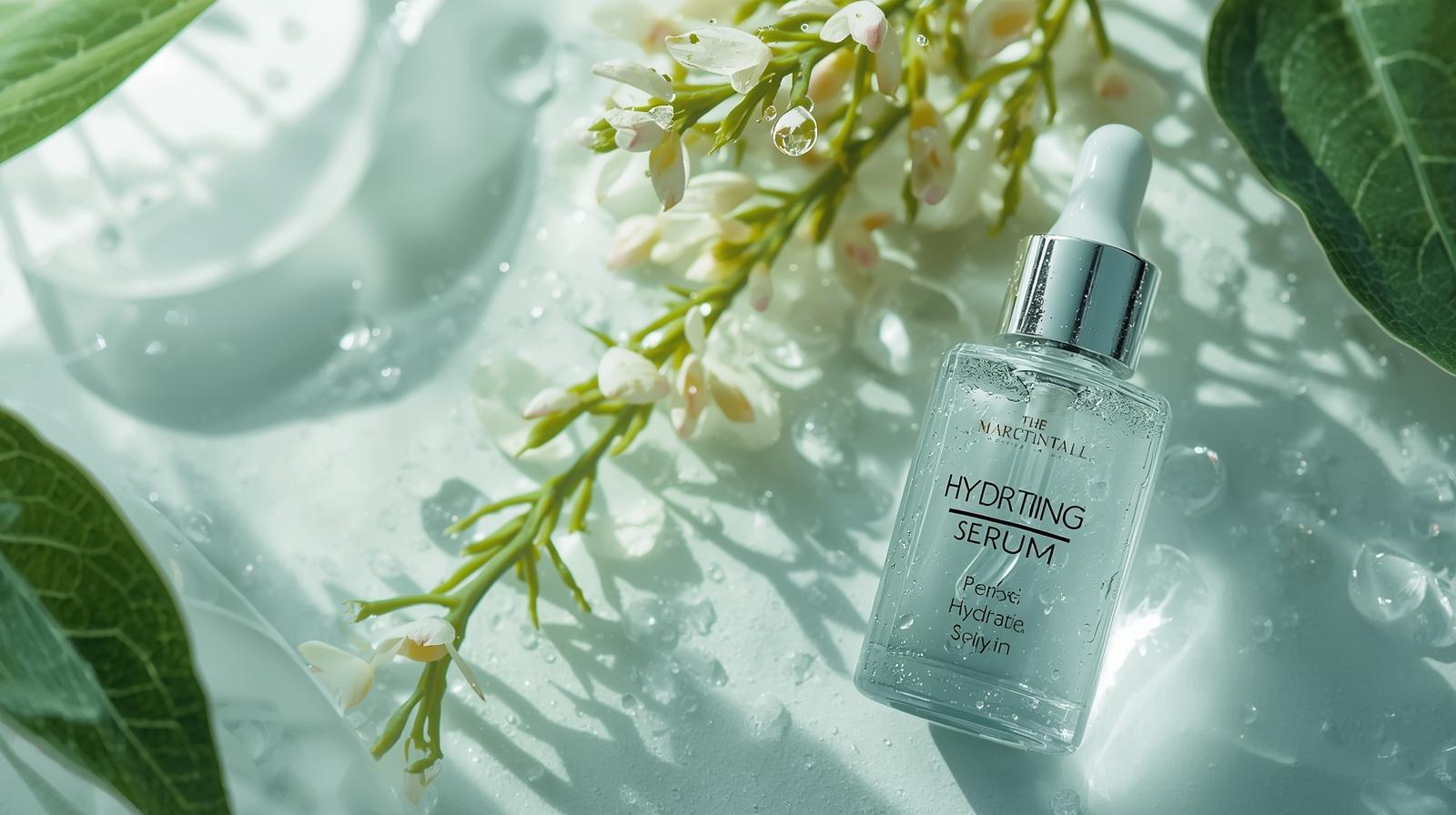
In the world of skincare, hydrating serums have become a staple for anyone looking to maintain a healthy, glowing complexion. But with so many products on the market, how do you choose the best hydrating serum for your skin? The secret lies in understanding the key ingredients that make these serums effective. In this guide, we’ll explore the essential components to look for in a hydrating serum and how they work to enhance your skin’s health and appearance.
Hydrating serums are lightweight, fast-absorbing liquids designed to deliver moisture deep into the skin. Unlike moisturizers that create a barrier to lock in moisture, serums penetrate the skin’s surface to deliver active ingredients directly where they’re needed most. This makes them particularly effective for addressing specific skin concerns such as dryness, fine lines, and loss of elasticity.
Keeping your skin hydrated is crucial for maintaining its overall health. Proper hydration helps to:
- Maintain skin elasticity and firmness
- Reduce the appearance of fine lines and wrinkles
- Support the skin’s natural barrier function
- Enhance skin texture and tone
When your skin is well-hydrated, it looks plumper, smoother, and more radiant. This is why incorporating a hydrating serum into your skincare routine can make a significant difference.
When shopping for a hydrating serum, it’s important to know which ingredients offer the most benefits. Here are some of the key components you should look for:
Hyaluronic acid is a superstar ingredient in the world of hydration. Known for its ability to hold up to 1,000 times its weight in water, hyaluronic acid attracts and retains moisture in the skin. This makes it an excellent choice for all skin types, particularly those with dry or dehydrated skin.
- Deeply hydrates the skin
- Improves skin elasticity
- Reduces the appearance of fine lines and wrinkles
- Provides a plumping effect for a more youthful appearance
For a reliable option, consider the MZ Skin Hyaluronic Acid Hydrating Serum, which is formulated to boost hydration and enhance the skin’s natural radiance.
Glycerin is another powerful humectant that draws moisture from the environment into the skin. It’s a versatile ingredient found in many skincare products due to its ability to hydrate without leaving a greasy residue.
- Provides long-lasting hydration
- Soothes and softens the skin
- Enhances the skin’s natural barrier
Aloe vera is well-known for its soothing and hydrating properties. It contains vitamins, minerals, and antioxidants that help to nourish and protect the skin.
- Calms irritated or inflamed skin
- Provides lightweight hydration
- Supports healing and regeneration
Niacinamide, also known as vitamin B3, is a multifunctional ingredient with hydrating and anti-inflammatory properties. It’s suitable for all skin types and can help address a range of skin concerns.
- Improves skin hydration levels
- Reduces redness and irritation
- Minimizes the appearance of pores
- Strengthens the skin’s barrier function
Ceramides are lipids that occur naturally in the skin and play a crucial role in maintaining its barrier function. They help to lock in moisture and protect against environmental stressors.
- Restore and maintain skin hydration
- Protect against moisture loss
- Strengthen the skin’s natural barrier
To get the most out of your hydrating serum, it’s important to use it correctly. Follow these simple steps to incorporate a serum into your daily skincare routine:
- Cleanse: Start with a gentle cleanser to remove dirt, oil, and makeup from your skin.
- Tone: Apply a toner to prep your skin and enhance serum absorption.
- Apply Serum: Use a few drops of your chosen hydrating serum and gently pat it onto your face and neck.
- Moisturize: Follow with a moisturizer to lock in the serum’s benefits and provide additional hydration.
- Protect: Finish with a broad-spectrum sunscreen during the day to protect your skin from UV damage.
While hydrating serums are beneficial for all skin types, selecting the right one for your specific needs can maximize results.
- Dry Skin: Look for serums with rich hydrating ingredients like hyaluronic acid and glycerin.
- Oily Skin: Opt for lightweight, non-comedogenic formulas that won’t clog pores.
- Sensitive Skin: Choose fragrance-free options with soothing ingredients like aloe vera and niacinamide.
- Combination Skin: A balanced formula with both hydrating and oil-controlling ingredients can help manage combination skin.
Selecting the best hydrating serum involves understanding the key ingredients that contribute to effective hydration. Whether you’re dealing with dry, oily, sensitive, or combination skin, there’s a hydrating serum out there that can help you achieve a healthier, more radiant complexion. By incorporating a hydrating serum into your skincare routine, you can enjoy the benefits of increased moisture, improved skin texture, and a youthful glow.
Keep these ingredients and tips in mind as you explore your options, and remember to tailor your skincare routine to meet your unique needs for the best results.


