


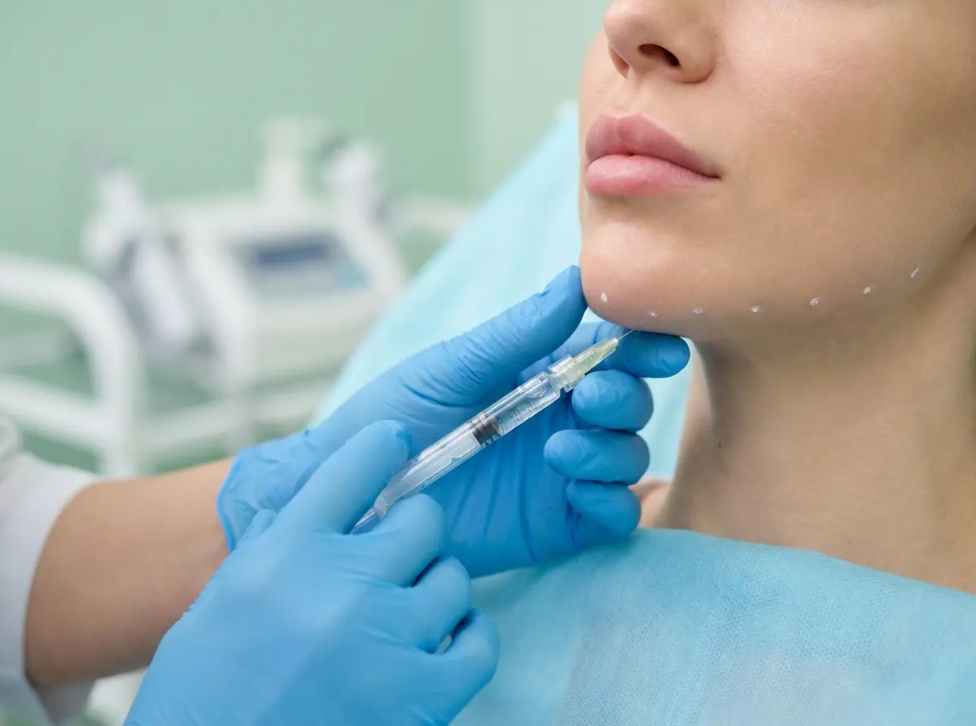
A strong jawline communicates health, youth, and structural balance in human facial anatomy. Many people desire a more defined lower face, but they strongly prefer to avoid invasive surgical procedures. Jaw filler and other advanced dermal injectables offer a highly effective solution for contouring the lower face without extended downtime. This non-surgical jawline enhancement has revolutionized how practitioners address facial aging and structural deficiencies in the mandible area. By utilizing high-density facial fillers, individuals can achieve a “snatched” appearance that previously required significant time under anesthesia and weeks of painful recovery.
Jawline filler provides immediate volume to effectively sculpt the jawline and bring harmony to your facial proportions. This popular cosmetic injectables treatment requires minimal recovery time while consistently delivering highly visible structural improvements for patients. Are you wondering if this specific cosmetic treatment aligns with your personal aesthetic goals and financial budget? Understanding the nuances of jawline contouring with dermal fillers is the first step toward achieving a more chiseled and youthful appearance. Modern techniques now allow for precise jawline definition that respects the unique bone structure of each individual patient.
Jaw filler consists of dense, gel-like substances that providers inject directly beneath the skin along the lower mandible to enhance jawline definition. Medical professionals typically use either hyaluronic acid or calcium hydroxylapatite for these types of structural facial enhancements. These advanced synthetic materials closely mimic natural bodily substances to safely add projection and shape to your underlying bone structure. By strategically placing these dermal fillers, injectors can create the illusion of a stronger bone structure where it may be naturally lacking. The science behind these products involves high “G-prime,” which refers to the gel’s ability to lift tissue and maintain its shape under pressure.
Hyaluronic acid products hold moisture and create a plumping effect exactly where the practitioner strategically places them for maximum impact. Calcium hydroxylapatite works slightly differently by stimulating your natural collagen production over a period of several months, providing long-term structural support. Both cosmetic injectables options ultimately create a much sharper and more defined angle from the chin to the earlobe, often referred to as the gonial angle. This increased definition helps to separate the face from the neck, which is a hallmark of a youthful and fit aesthetic profile. Furthermore, the integration of these gels into the tissue allows for a natural feel that moves seamlessly with your facial expressions.
The added volume effectively lifts sagging skin and camouflages early signs of jowl formation along the lower face and neck area. Practitioners carefully place the synthetic product to widen the lower face or elongate the individual’s chin profile for better balance. This precise clinical application results in a significantly more balanced and symmetrical facial appearance for the patient. Furthermore, the treatment can address asymmetries that may have been present since birth or developed due to dental changes. By restoring the “L-shape” of the jaw, non-surgical jawline enhancement provides a structural framework that supports the entire mid-face and prevents the appearance of a “melting” lower face.
Specific FDA-approved products like Juvederm Volux and Restylane Defyne currently dominate the United States facial fillers market for jawline enhancement. These modern formulas feature a thicker cross-linking structure created specifically for deep bone placement along the jaw and chin. The robust consistency of these products prevents the filler from migrating away from the intended treatment zone. This ensures that the sharp, clean lines created during the procedure remain intact for the duration of the product’s lifespan. Choosing the right product is essential, as using a filler that is too soft can lead to a puffy or unnatural appearance rather than the desired chiseled look.
- Jaw filler uses hyaluronic acid or calcium hydroxylapatite to safely contour the lower face.
- The treatment camouflages jowls and creates a sharper angle along the mandible for better jawline definition.
- These facial fillers offer immediate structural enhancement without the risks of surgical intervention.
Patient Selection: Ideal Candidates for Jawline Contouring and Non-Surgical Jawline Enhancement

Not everyone requires the exact same clinical approach for structural lower facial enhancement and non-surgical jawline enhancement procedures. The most successful candidates usually present with mild to moderate volume loss or a naturally weak bone structure in the chin area. Individuals experiencing the early signs of aging often see dramatic improvements in their overall facial harmony and balance after receiving jaw filler. It is an excellent option for those who want to avoid the scars and risks associated with permanent implants. Ideal candidates should also have relatively good skin elasticity to ensure the filler provides a lifting effect rather than just adding bulk.
Younger patients frequently request this specific treatment to build a more striking, model-like profile for photographic purposes and social media. Older patients generally utilize the cosmetic injectables to restore lost volume and structurally support their sagging facial tissues and jowls. A highly qualified provider will thoroughly assess your skin elasticity and bone structure during the initial evaluation to ensure you are a fit. They will also check for any contraindications, such as active skin infections or severe allergies to dermal fillers components. Understanding the “Golden Ratio” of facial proportions helps the injector determine how much product is needed to achieve a balanced look.
Ask your injector to evaluate your chin filler needs alongside your jawline. Enhancing the chin with dermal fillers often provides the necessary structural support to make the jawline definition appear much sharper and more balanced.
Patients with significant skin laxity might not achieve optimal aesthetic results from facial fillers alone without additional skin tightening. Heavy jowls or excess submental fat sometimes require alternative cosmetic treatments like targeted liposuction or a surgical face lift for best results. You must maintain realistic expectations about what non-surgical interventions can actually accomplish for your specific facial anatomy and aging concerns. If the skin is too loose, the jaw filler may simply add weight to the lower face, potentially worsening the appearance of sagging if not placed with extreme precision.
Men and women often seek entirely different aesthetic outcomes from this specific type of cosmetic procedure involving jawline filler. Male patients typically request a wider, more angular jawline to project a highly masculine and structured appearance that signifies strength. Female patients usually prefer a softer, V-shaped contour that effectively slims the lower face and highlights the cheekbones for a feminine look. A skilled injector understands these gender-specific anatomical goals and tailors their injection technique accordingly to provide natural-looking results that enhance the patient’s existing features without looking “overdone.”
Clinical Protocol: The Jawline Filler Procedure: Step-by-Step Guide to Dermal Fillers
Understanding the clinical process helps alleviate personal anxiety before you attend your scheduled cosmetic appointment for non-surgical jawline enhancement. The entire office visit generally takes less than one hour from the initial consultation to the final evaluation and cleanup. Medical professionals follow a strictly standardized protocol to maximize patient safety and guarantee optimal aesthetic outcomes for every individual. This structured approach ensures that every anatomical landmark, from the chin to the mandibular angle, is addressed with precision and care. Most patients find the procedure surprisingly comfortable, with only a mild pressure sensation during the actual injection phase.
How to Prepare and Execute the Treatment
1. Consultation and Assessment
The provider evaluates your facial anatomy and discusses your specific aesthetic goals before beginning the cosmetic procedure with jaw filler.
2. Preparation and Numbing
The clinical staff cleans the treatment area and applies a topical anesthetic cream to maximize your comfort during the dermal fillers injections.
3. Strategic Injection and Molding
The provider uses a needle or cannula to place the jawline filler product directly along the bone and molds it for a smooth, chiseled finish.
Providers utilize either a sharp medical needle or a blunt-tipped cannula to deliver the product beneath the skin for jawline definition. A cannula requires only one entry point and generally causes significantly less tissue trauma and post-procedure bruising for the patient. Your experienced injector will select the best delivery method based on your specific anatomical requirements and personal aesthetic goals. After the injection, they may gently massage the area to ensure the facial fillers are perfectly integrated with your natural tissues. This molding process is crucial for preventing lumps and ensuring the transition between the filler and the natural bone is imperceptible.
Investment and Durability: Cost of Jaw Filler and Longevity Expectations for Facial Fillers
Financial planning plays a highly significant role in maintaining any long-term cosmetic enhancement routine involving facial fillers. In the United States, patients generally pay between $600 and $1,200 per syringe of specialized dermal product for the jawline. Most individuals require two to four syringes to achieve a highly visible and structural change to their jawline definition and chin area. It is important to remember that achieving a “snatched” look often requires more product than simple lip or tear trough treatments because the jawline covers a much larger surface area. Many clinics offer package pricing for multiple syringes, which can help manage the overall cost of jaw filler.
The total financial investment often ranges from $1,200 to $3,600 for a complete lower face transformation using jaw filler. Prices vary significantly based on your geographic location, the provider’s expertise, and the specific brand of product used during the session. Clinics located in major metropolitan areas like New York or Los Angeles typically charge premium rates for their specialized services. However, choosing a provider based solely on price can be risky, as skill is paramount for safety and aesthetics. Investing in an expert injector ensures that the dermal fillers are placed in the correct anatomical plane to avoid complications and maximize longevity.
The visible results of your cosmetic treatment will eventually fade as your body naturally metabolizes the injected jawline filler product. Hyaluronic acid products generally maintain their structural shape and volume for a period of 12 to 18 months in the jaw area. Biostimulatory options like calcium hydroxylapatite can last up to 24 months due to ongoing new collagen production within the skin. Factors such as age, lifestyle, and the specific product used will all influence how long your results remain visible. Because the jaw is a relatively static area compared to the mouth, fillers here tend to last longer than they do in the lips.
Patients who maintain a fast metabolism or exercise vigorously might process the injected jaw filler product much more quickly than others. You will need to schedule periodic touch-up appointments to maintain your desired jawline contouring over the long term and prevent volume loss. Budgeting for annual cosmetic maintenance helps you keep your facial results looking incredibly fresh and structurally consistent. Many patients find that subsequent treatments require less product to maintain the same high level of definition, as some residual filler often remains from previous sessions. This cumulative effect can make long-term maintenance more affordable over time.
- Patients typically need multiple syringes of jaw filler for a complete and visible transformation.
- Results generally last anywhere from 12 to 24 months depending on the specific facial fillers used and individual metabolism.
- Geographic location and provider expertise heavily influence the total cost of jaw filler and jawline contouring treatments.
Pre-Treatment Care: Preparing for Your First Jawline Filler Appointment with Cosmetic Injectables
Proper preparation is essential for minimizing the risk of bruising and ensuring the best possible outcome for your jaw filler treatment. Medical professionals typically recommend that patients avoid consuming alcoholic beverages or taking blood-thinning supplements for at least forty-eight hours prior to their scheduled appointment. Common supplements to avoid include fish oil, vitamin E, ginkgo biloba, and St. John’s Wort, as these can increase vascularity and bleeding. If you are taking prescription blood thinners, you must consult with your primary care physician before making any changes to your medication regimen. Taking Arnica Montana supplements a few days before the procedure can also help reduce the likelihood of significant bruising.
On the day of your appointment, it is best to arrive with a clean face, free of heavy makeup or skincare products in the lower face area. This allows the practitioner to clearly see your natural anatomy and reduces the risk of introducing bacteria into the injection sites. You should also plan your schedule to avoid strenuous exercise for at least twenty-four hours after the non-surgical jawline enhancement. High-intensity workouts increase blood flow to the face, which can exacerbate swelling and potentially lead to product migration in the early stages of healing. It is also wise to avoid dental appointments for two weeks before and after filler to prevent the risk of infection.
Communicating your medical history clearly to your injector is a vital part of the preparation process for jawline filler. Be sure to mention if you have a history of cold sores, as the trauma of the needle can sometimes trigger an outbreak in the perioral area. Your provider may prescribe a prophylactic antiviral medication to prevent this from occurring during your recovery. Additionally, ensure you have eaten a light meal and are well-hydrated before your session to prevent lightheadedness during the clinical procedure. Being relaxed and well-prepared will make the experience much more pleasant and efficient for both you and your provider.
Post-Procedure Expectations: Potential Side Effects and Recovery from Jaw Filler Treatments
While jaw filler is a non-surgical treatment, it is normal to experience some mild side effects as your body adjusts to the new dermal fillers. Most patients report temporary swelling, redness, and tenderness at the injection sites for several days following the procedure. Bruising is also a common occurrence, particularly if a needle was used instead of a cannula for the deeper injections. These symptoms typically peak within the first forty-eight hours and gradually subside over the course of one week as the tissues heal. You may also feel a slight firmness in the treated area, which is normal as the product integrates with your natural bone structure.
To manage post-procedure discomfort and swelling, you can apply cold compresses to the jawline for ten minutes at a time throughout the first day. It is important to avoid applying excessive pressure to the treated area, as the jawline filler is still settling into its final position. Sleeping with your head slightly elevated on an extra pillow can also help to reduce morning puffiness in the lower face. Most individuals feel comfortable returning to their normal social activities within a day or two, provided they can camouflage any minor bruising with makeup. Avoiding extreme heat, such as saunas or hot yoga, for the first 48 hours is also highly recommended.
Serious complications from jawline contouring with filler are extremely rare when the procedure is performed by a licensed and experienced medical professional. However, patients should be aware of “red flag” symptoms that require immediate medical attention, such as severe pain, skin blanching, or signs of an allergic reaction. Vascular occlusion, which occurs when filler accidentally enters a blood vessel, is a medical emergency that must be treated with a dissolving agent immediately. Choosing a provider who is well-versed in facial anatomy and emergency protocols is the best way to ensure your safety during and after the facial fillers treatment. Always ensure your provider has hyaluronidase on hand to reverse the treatment if necessary.
Synergistic Enhancements: Combining Jawline Filler with Chin Filler for Optimal Facial Harmony
Many patients find that combining jaw filler with other cosmetic procedures yields the most comprehensive and aesthetically pleasing results. For example, treating the masseter muscles with Botox or Dysport can slim the sides of the face, making the new jawline definition appear even more prominent. This combination is particularly popular among patients who suffer from teeth grinding or have a naturally square-shaped face. By relaxing the muscle and adding structural filler, the practitioner can create a more refined and contoured lower facial profile that looks both slim and chiseled. This approach is often referred to as a “liquid facelift” for the lower face.
Chin filler is another common addition to a non-surgical jawline enhancement plan, as the chin serves as the anchor for the entire lower face. If the chin is recessed, the jawline will never appear truly sharp, regardless of how much jawline filler is used along the mandible. Adding projection to the chin helps to elongate the profile and provides a more balanced foundation for the jawline contouring. This holistic approach ensures that the transition from the chin to the ear is seamless and structurally sound from every viewing angle. Profile balancing is a key concept in modern aesthetics, ensuring that the nose, lips, and chin are in perfect alignment.
For patients concerned with submental fullness, often referred to as a “double chin,” combining facial fillers with fat-dissolving injections like Kybella can be transformative. Removing excess fat from beneath the chin allows the newly defined jawline to stand out without being obscured by soft tissue. Some practitioners also recommend skin-tightening treatments like Ultherapy or Radiofrequency microneedling to improve the quality of the skin overlying the dermal fillers. These combined modalities address volume, structure, and skin texture simultaneously for a truly rejuvenated appearance. By treating the lower face as a single unit, providers can achieve results that rival surgical interventions.
Invasive vs. Non-Invasive: Comparing Jaw Fillers to Surgical Jawline Contouring
When considering lower face enhancement, it is helpful to compare the benefits of jaw filler against more permanent surgical options like jaw implants or a sliding genioplasty. Surgery offers a one-time solution that does not require the ongoing maintenance associated with dermal fillers. However, surgery involves significant downtime, general anesthesia, and the inherent risks of infection or implant displacement. For many patients, the ability to “test drive” a new look with non-surgical jawline enhancement is a major advantage over the permanence of a surgical procedure. If you decide you want a different look later, filler allows for that flexibility.
Jawline filler provides a level of customization that is difficult to achieve with pre-formed silicone implants used in surgery. An injector can add small amounts of product to specific areas to correct minor asymmetries or fine-tune the angle of the jaw in real-time. If a patient is unhappy with the results of a hyaluronic acid filler, the product can be safely dissolved with an enzyme called hyaluronidase. This safety net provides peace of mind that is simply not available with surgical interventions, which would require a second operation to reverse. Furthermore, filler can be adjusted as you age, whereas an implant remains static while your natural tissues change around it.
Cost is another factor to consider when choosing between jawline contouring with filler and traditional plastic surgery. While the initial cost of jaw filler is lower, the cumulative expense of maintenance treatments over several decades can eventually surpass the cost of a single surgery. However, the lack of recovery time and the immediate results make facial fillers the preferred choice for busy professionals and those with active lifestyles. Ultimately, the decision depends on your long-term goals, your tolerance for downtime, and your personal preference for temporary versus permanent changes. Many patients start with filler and eventually transition to surgery once they are certain of the look they want to maintain.
Final Thoughts on Lower Face Enhancement
Achieving a defined and balanced lower face is more accessible than ever thanks to the advancements in jaw filler technology and injection techniques. This versatile treatment offers a safe and effective way to enhance your natural features, restore lost volume, and improve your overall facial profile. Whether you are looking to create a more masculine jawline or a soft, feminine V-shape, dermal fillers provide a customizable solution with minimal risk. By choosing a qualified provider and following proper pre- and post-care instructions, you can enjoy a sharper, more confident appearance. The psychological benefits of feeling more attractive and youthful often far outweigh the financial investment in these cosmetic injectables.
As with any cosmetic procedure, the key to success lies in having a thorough consultation and maintaining realistic expectations about your results. Jawline filler is a powerful tool for facial rejuvenation, but it works best when integrated into a comprehensive skincare and wellness routine. By understanding the procedure, cost of jaw filler, and recovery process, you can make an informed decision that aligns with your aesthetic aspirations. A well-defined jawline is not just about vanity; it is about achieving the structural harmony that reflects your inner vitality and health. With the right approach, non-surgical jawline enhancement can provide a significant boost to your self-esteem and overall facial aesthetic for years to come.


