


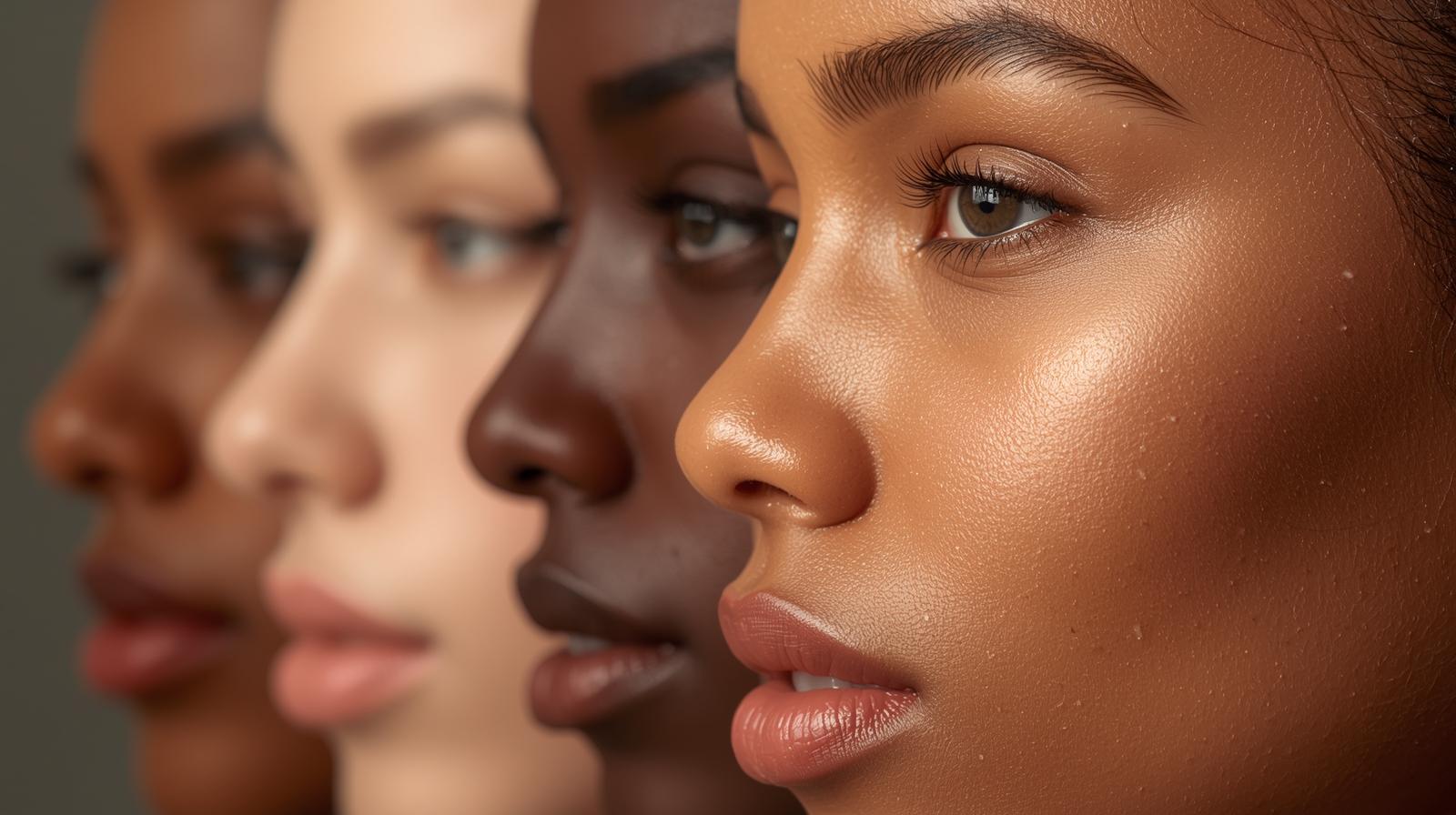
Skin discoloration can be a frustrating and often misunderstood condition. From uneven skin tone to hyperpigmentation, there are many myths surrounding the causes and treatments for these issues. As a skincare expert, I’m here to separate fact from fiction and provide you with practical solutions to help you achieve a healthier complexion. Let’s dive into some of the most common myths about skin discoloration.
A common misconception is that skin discoloration only affects those with darker skin tones. In reality, skin discoloration can occur in people of all skin types and colors. Factors such as sun exposure, hormonal changes, and even certain medications can lead to uneven skin tone and hyperpigmentation. Understanding that this condition is not limited to any specific skin type is the first step toward effective treatment.
Hyperpigmentation is a condition where patches of skin become darker than the surrounding areas. This happens when an excess of melanin, the brown pigment that produces normal skin color, forms deposits in the skin. It can be triggered by various factors, including sun damage, inflammation, or other skin injuries.
While it’s true that sun exposure is a major contributor to skin discoloration, it’s not the only cause. Hormonal changes, such as those experienced during pregnancy or menopause, can also lead to conditions like melasma—a form of hyperpigmentation. Additionally, some medications and health conditions can cause changes in skin color.
To prevent sun-induced discoloration, it’s crucial to incorporate sunscreen into your daily skincare routine. Look for broad-spectrum sunscreens with an SPF of at least 30, and remember to reapply every two hours if you’re outdoors. Wearing protective clothing and seeking shade can also help minimize sun exposure.
While natural remedies can be beneficial for some skin concerns, they are not always the most effective treatment for skin discoloration. Ingredients like lemon juice or apple cider vinegar may irritate the skin and worsen the condition if not used correctly.
For more effective results, consider over-the-counter treatments or consult a dermatologist for personalized advice. Some proven ingredients for treating hyperpigmentation include:
- Hydroquinone: A skin-lightening agent that decreases the formation of melanin in the skin.
- Retinoids: Vitamin A derivatives that promote cell turnover and help fade dark spots.
- Vitamin C: An antioxidant that brightens skin and reduces the appearance of discoloration.
Many people believe that skin discoloration will eventually fade without intervention. While this may be true for some mild cases, many forms of hyperpigmentation require targeted treatments to improve significantly.
Consistency is key when it comes to treating skin discoloration. Establish a daily skincare routine that includes gentle cleansing, moisturizing, and the application of products containing active ingredients like those mentioned above. Be patient, as it can take several weeks or even months to see noticeable improvements.
Skin discoloration is often associated with women due to hormonal factors, but it can affect anyone, regardless of gender. Men can experience skin discoloration from sun exposure, acne scars, or other skin conditions.
Men should feel equally comfortable seeking skincare advice and treatments. The same principles of sun protection, consistent skincare routines, and the use of effective products apply to everyone.
Exfoliation is a beneficial part of any skincare routine, helping to remove dead skin cells and promote cell turnover. However, aggressive exfoliation can lead to irritation and even worsen discoloration.
Opt for gentle exfoliants, such as those containing alpha hydroxy acids (AHAs) or beta hydroxy acids (BHAs), which can help improve skin texture without causing damage. Limit exfoliation to 2-3 times per week, depending on your skin’s tolerance.
Understanding the facts about skin discoloration is essential for anyone looking to improve their skin’s appearance. By debunking these common myths, you can make informed decisions about your skincare routine and choose treatments that are both safe and effective. Remember that consistency, sun protection, and seeking professional advice when needed are key to achieving a more even and radiant complexion. With the right approach, healthier skin is within your reach.


