


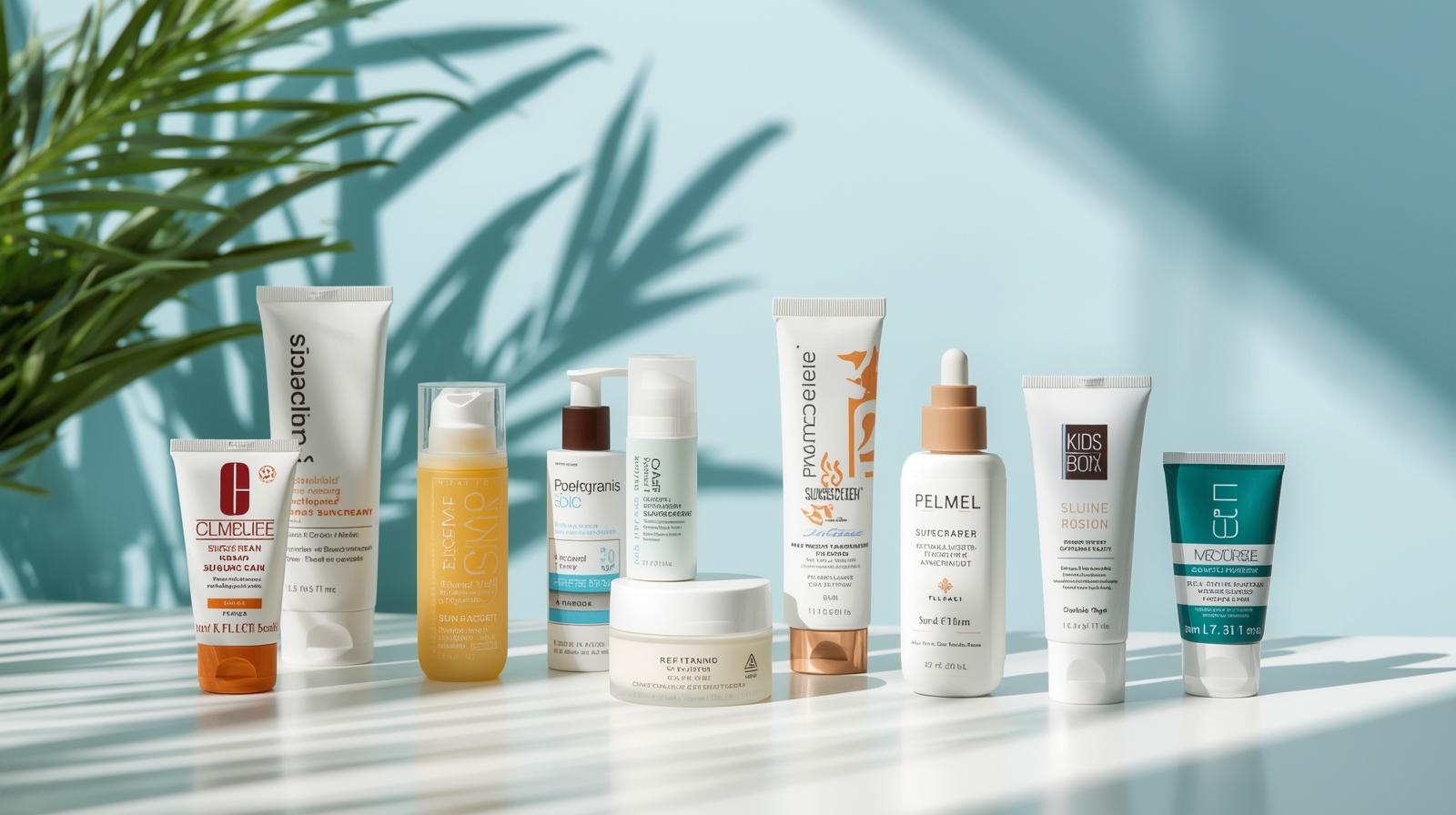
Choosing the right sunscreen for your face can be overwhelming with so many options on the market. Whether you have oily, dry, sensitive, or combination skin, finding the best sunscreen for your face is crucial to protect your skin from harmful UV rays. In this article, we’ll explore the best facial sunscreens suitable for all skin types, ensuring you can enjoy the sun while keeping your skin healthy and glowing.
Before diving into the best products, it’s essential to understand why sunscreen is a non-negotiable part of your skincare routine. Sunscreen helps protect against UVA and UVB rays, which can cause premature aging, sunburn, and even increase the risk of skin cancer. Using a daily facial sunscreen is one of the most effective ways to maintain skin health and prevent damage.
If you have oily skin, look for sunscreens labeled as “oil-free” or “non-comedogenic.” These products are designed to prevent clogged pores and reduce shine. Gel-based or matte-finish sunscreens can also help control oil production, leaving your skin looking fresh and non-greasy.
- Neutrogena Hydro Boost Water Gel Lotion SPF 50: This lightweight, water-gel formula provides excellent hydration without the greasy feel.
- La Roche-Posay Anthelios Clear Skin Dry Touch Sunscreen SPF 60: Known for its high SPF and oil-absorbing technology, this sunscreen is perfect for those with oily skin.
For dry skin types, choose sunscreens that offer added hydration. Cream-based sunscreens with ingredients like hyaluronic acid or glycerin can help lock in moisture, preventing your skin from feeling dry or tight.
- Aveeno Positively Radiant Sheer Daily Moisturizer with SPF 30: With soy complex and light-reflecting minerals, this sunscreen not only protects but also hydrates and improves skin tone.
- CeraVe Hydrating Sunscreen SPF 30: Infused with ceramides and niacinamide, it provides a moisture-rich barrier while protecting against UV rays.
Sensitive skin requires gentle formulations that minimize irritation. Look for mineral-based sunscreens containing zinc oxide or titanium dioxide, which are less likely to cause a reaction compared to chemical sunscreens.
- EltaMD UV Clear Broad-Spectrum SPF 46: This sunscreen contains niacinamide, known for its calming properties, making it ideal for sensitive or acne-prone skin.
- Blue Lizard Australian Sunscreen, Sensitive SPF 30+: With no chemical sunscreen ingredients, parabens, or fragrances, this option is gentle on sensitive skin.
Combination skin needs a balanced approach. Consider a sunscreen that hydrates dry areas while controlling shine in oily zones. Lightweight, multi-tasking formulas work best.
- Supergoop! Unseen Sunscreen SPF 40: This invisible formula goes on smoothly, perfect for combination skin types that need a lightweight, balanced sunscreen.
- Clinique Super City Block Oil-Free Daily Face Protector SPF 40: Offers broad-spectrum protection while absorbing excess oil, making it great for combination skin.
The effectiveness of sunscreen depends not only on choosing the right product but also on how you apply it. Here’s a simple guide to ensure you’re getting the most out of your sunscreen:
- Apply Generously: Use about a nickel-sized amount for your face. Don’t skimp; adequate coverage is necessary for full protection.
- Don’t Forget the Neck and Ears: These areas are often missed but are just as vulnerable to sun damage.
- Reapply Regularly: Sunscreen should be reapplied every two hours, or more often if you’re swimming or sweating.
- Layer with Other Products: Apply sunscreen after your moisturizer but before any makeup. Allow it to absorb fully before layering other products.
Even on cloudy or overcast days, up to 80% of UV rays can still reach your skin. Daily sunscreen use is essential regardless of the weather.
While higher SPF offers more protection, the difference becomes marginal after SPF 50. An SPF 30 blocks 97% of UVB rays, while SPF 50 blocks about 98%. More crucial is proper application and reapplication.
Melanin does offer some protection against UV rays, but not enough to prevent damage entirely. People with darker skin tones are still at risk for sun damage and skin cancer, making sunscreen a vital part of their skincare routine.
Choosing the best sunscreen for your face involves understanding your skin type and selecting a product that complements its unique needs. By incorporating sunscreen into your daily routine and applying it correctly, you not only protect your skin from sun damage but also promote long-term skin health. Remember, sunscreen is your skin’s best friend, rain or shine.
Taking the time to find the right facial sunscreen can make a significant difference in your skin’s overall health and appearance. Protecting your skin from UV damage is an investment in your skin’s future, ensuring it remains healthy, youthful, and radiant for years to come.


