


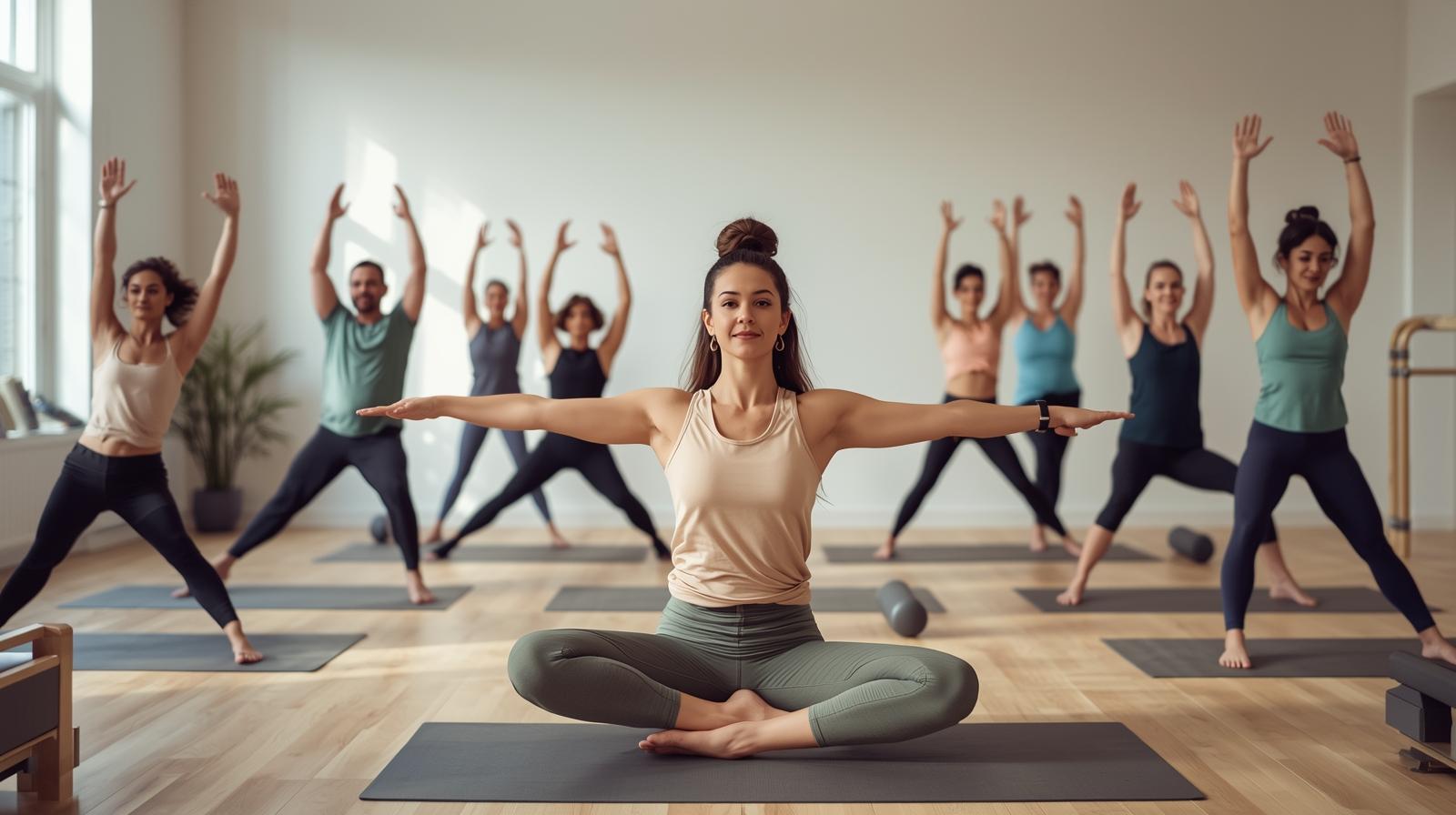
Whether you’re a fitness enthusiast or just beginning your exercise journey, Pilates offers a host of benefits that cater to all fitness levels. This low-impact workout focuses on strengthening muscles while improving postural alignment and flexibility. Let’s delve into the numerous advantages of Pilates and explore why it might be the perfect addition to your wellness routine.
Pilates is a form of exercise that emphasizes core strength, flexibility, and mindful movement. Developed by Joseph Pilates in the early 20th century, it was initially designed to help injured athletes and dancers safely return to exercise while maintaining their fitness levels. Today, Pilates is practiced worldwide and is revered for its holistic approach to health and well-being.
One of the primary benefits of Pilates is the development of core strength. The core is not just your abdominal muscles but includes the deep muscles of the back, pelvic floor, and hips. A strong core provides a stable foundation for all other movements and helps prevent injuries, improve posture, and enhance overall physical performance.
Pilates also promotes flexibility and balance. The exercises involve stretching and lengthening muscles, which improves range of motion and balance over time. This is especially beneficial for older adults, as flexibility and balance tend to decrease with age, increasing the risk of falls and injuries.
If you’re new to exercise, Pilates is an excellent starting point. It’s gentle on the body and can be adapted to suit any fitness level. As you become more comfortable with the movements, you can gradually increase the intensity and complexity of the exercises.
For athletes, Pilates offers a way to enhance performance by improving flexibility, balance, and core strength. It can also aid in recovery from intense training sessions and reduce the risk of injury by promoting proper alignment and muscle engagement.
People dealing with chronic pain, such as back pain, can also benefit from Pilates. The focus on core strength and alignment helps alleviate pressure on the spine and joints, reducing discomfort and improving quality of life.
One of the great things about Pilates is its versatility. While attending a Pilates class at a studio can provide guidance and motivation, you can also practice Pilates at home with minimal equipment.
To get started with Pilates at home, you’ll need a few basic pieces of equipment:
- Yoga Mat: Provides cushioning and support for floor exercises.
- Resistance Bands: Adds resistance to exercises, increasing strength and flexibility.
- Pilates Ball: Used for various exercises to engage the core and improve balance.
With the rise of online fitness platforms, it’s easier than ever to access Pilates classes from the comfort of your home. Many websites and apps offer free or subscription-based Pilates workouts led by certified instructors. This flexibility allows you to practice on your schedule and at your own pace.
While practicing at home is convenient, attending Pilates classes offers additional benefits.
In a class setting, you have the advantage of receiving expert guidance from a certified Pilates instructor. They can ensure you’re performing exercises correctly and safely, providing modifications as needed.
Classes also provide a sense of community and accountability. Working out with others can be motivating and make the experience more enjoyable. You’ll find support from fellow class members, which can encourage you to stay committed to your fitness goals.
If you’re ready to incorporate Pilates into your fitness routine, here are some tips to get started:
Begin by researching local Pilates studios or online platforms that offer classes. Look for beginner-friendly options if you’re new to Pilates.
Set realistic goals for your Pilates practice. Whether it’s attending one class per week or mastering a specific movement, having clear goals will keep you motivated and focused.
As with any form of exercise, it’s important to listen to your body. If something doesn’t feel right, stop and consult with your instructor. Pilates should be challenging but not painful.
Consistency is key when it comes to reaping the benefits of Pilates. Aim to practice regularly, whether in a class setting or at home, to see improvements in strength, flexibility, and overall well-being.
Pilates is a versatile and effective workout suitable for everyone, regardless of age or fitness level. Its focus on core strength, flexibility, and mindful movement makes it an excellent addition to any wellness routine. Whether you’re practicing Pilates at home or attending classes, the benefits are numerous and can lead to a healthier, more balanced life. So, why not give Pilates a try and experience the transformation for yourself?


