


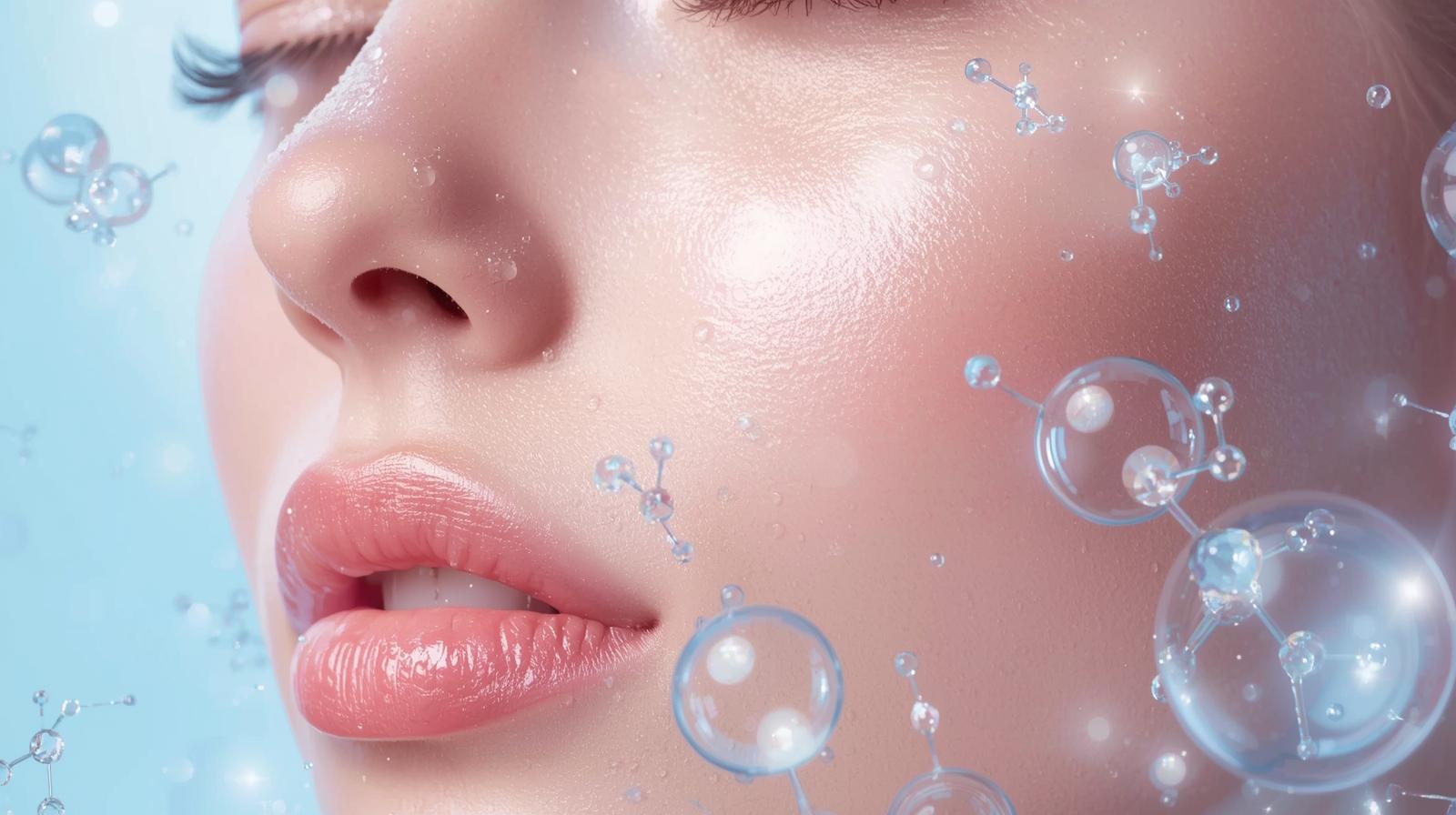
Have you ever noticed your skin feeling tight and looking dull by midday, no matter how much moisturizer you apply? When your skin feels thirsty, it is often lacking water rather than oil. This is where hyaluronic acid becomes essential.
Despite its scientific name, hyaluronic acid is not a harsh or exfoliating acid. It is a naturally occurring substance in the body that helps keep skin supple, smooth, and hydrated. In skincare, it belongs to a group of ingredients called humectants, which simply means they attract and hold onto moisture.
So what does hyaluronic acid actually do for your face? Think of it as a microscopic sponge. A single molecule can hold up to 1,000 times its weight in water. By drawing moisture into the outer layers of the skin, it creates an immediate plumping effect and leaves the complexion looking fresh, smooth, and radiant.
The Visible Benefits of Hyaluronic Acid
The primary benefit of topical hyaluronic acid is instant hydration. When skin cells are properly hydrated, they appear fuller and healthier. This plumping effect can soften the look of fine lines, especially those caused by dryness. The result is smoother-looking skin with a natural glow.
It is important to understand the difference between dry and dehydrated skin. Dry skin lacks oil, while dehydrated skin lacks water. You can have oily or acne-prone skin and still be dehydrated. In fact, when skin is dehydrated, it may produce excess oil to compensate, which can contribute to breakouts and congestion.
Because hyaluronic acid delivers oil-free hydration, it works well for all skin types. It provides the water your skin needs without adding heavy oils that may clog pores. The key benefits include instant hydration, visible plumping, smoother texture, and a brighter, dewy appearance. It is especially beneficial for oily and acne-prone skin because it replenishes moisture without increasing shine.
However, achieving these results depends greatly on proper application.
How to Correctly Apply Hyaluronic Acid
Hyaluronic acid works best when it has moisture to bind to. Applying it to completely dry skin is one of the most common mistakes people make.
Always apply hyaluronic acid serum to damp skin. After cleansing, gently pat your face with a towel, leaving it slightly damp. Alternatively, you can mist your skin lightly with water or a facial spray before applying the serum. This gives the hyaluronic acid an immediate source of moisture to attract and hold.
If you apply it to dry skin, it may draw water from deeper layers of the skin instead of from the environment. In dry climates, this water can evaporate quickly, potentially leaving your skin feeling tighter than before.
After applying your hyaluronic acid serum, follow with a moisturizer. This step is crucial because moisturizer acts as a seal, locking in hydration and preventing water loss. Without this final layer, the moisture attracted by the serum may escape.
How to Layer Hyaluronic Acid in Your Skincare Routine
Understanding how to layer hyaluronic acid within your routine is simple if you follow one rule: apply products from thinnest to thickest texture.
Since hyaluronic acid serums are typically lightweight and water-based, they should be applied after cleansing and before heavier creams or oils. This makes it easy to combine with other popular skincare ingredients.
In the morning, you can use a cleanser followed by a vitamin C serum, then apply hyaluronic acid to damp skin, and finish with moisturizer and sunscreen. At night, cleanse your skin, apply hyaluronic acid to damp skin, follow with retinol if you use it, and complete your routine with moisturizer.
Hyaluronic acid pairs well with most active ingredients, including vitamin C, niacinamide, and retinol. In fact, it can help reduce potential dryness caused by stronger treatments. By creating a hydrated base, it supports the skin barrier and makes your routine more comfortable.
Is a Higher Percentage or Price Better?
When comparing products, you might assume that a higher percentage of hyaluronic acid is better. In reality, more is not always better. The ideal concentration in skincare formulas is typically between 1 and 2 percent. Higher concentrations can make the product feel sticky and may not provide additional benefits. In very dry conditions, excessive amounts could even draw moisture out of the skin if not sealed properly.
Another important factor is molecular weight. Hyaluronic acid comes in different molecular sizes. Larger molecules sit on the surface of the skin, providing immediate smoothing and hydration. Smaller molecules penetrate more deeply, offering longer-lasting hydration. Many high-quality serums contain multiple molecular weights to deliver both instant and sustained results.
You may also see Sodium Hyaluronate listed on ingredient labels. This is a salt form of hyaluronic acid that is more stable and easily absorbed by the skin. It is highly effective and commonly used in skincare products.
A Simple Plan for Plump, Hydrated Skin
Hyaluronic acid is more than just a popular ingredient. It is one of the most effective and versatile additions to any skincare routine. Its power lies not only in the formula itself but also in how you use it.
To achieve the best results, apply your serum to damp skin and always follow with a moisturizer to seal in hydration. Use it consistently, morning and night, and layer it properly with your other treatments.
With the right technique, hyaluronic acid can help transform dehydrated, dull skin into a smoother, more radiant complexion. By understanding how it works and applying it correctly, you can create a simple and reliable strategy for lasting hydration and healthier-looking skin.


