


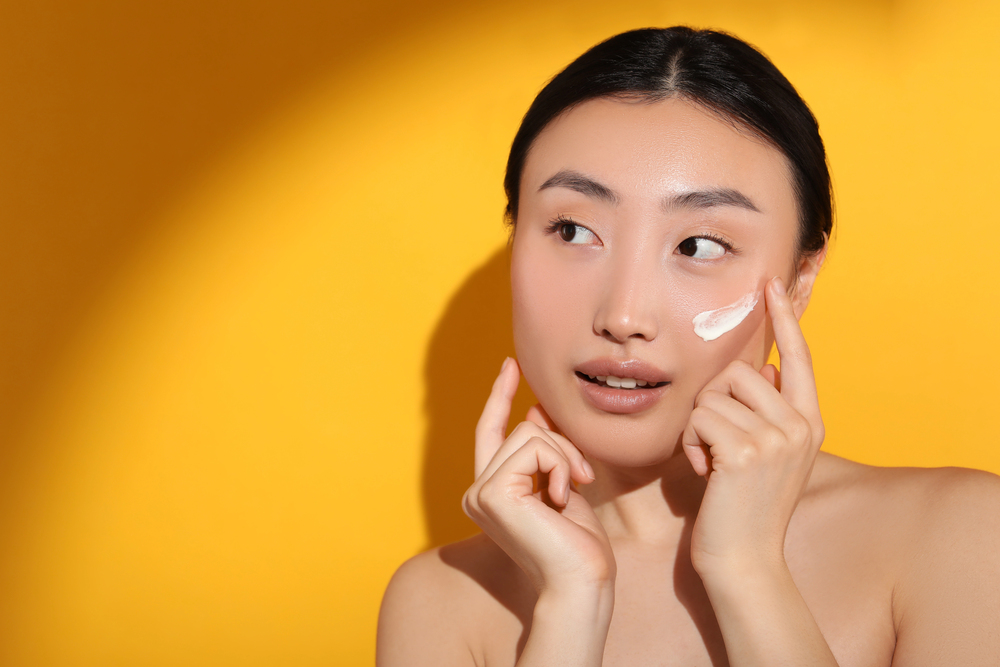
You don’t need 12 steps, a spreadsheet, or a Korean beauty degree. You just need to know where to start.
There’s a moment, somewhere around step seven of a ten-step Korean skin care routine video, when the average person quietly closes the tab and goes back to washing their face with whatever soap is in the shower. The whole thing looks beautiful the dewy skin, the amber serums lined up like expensive perfume but also completely unreachable.
Which is a shame, because the core ideas behind Asian skin care routines are actually pretty simple, remarkably effective, and don’t require a second mortgage or a dedicated bathroom shelf. Strip away the influencer staging and the 47-product hauls, and what you’re left with is a philosophy that most Western dermatology is only now catching up to: protect your skin, feed it consistently, and think long-term.
Here’s what that actually looks like in practice.
The Mindset Shift That Changes Everything
Western skin care has historically been reactive. A spot appears, you treat it. Your skin looks dull, you exfoliate. Something goes wrong, you fix it.
Asian skin care particularly the Korean and Japanese approaches that have driven the global beauty conversation for the past decade operates differently. The goal is prevention and maintenance rather than crisis management. You’re not trying to rescue your skin; you’re trying to keep it in a condition that rarely needs rescuing.
This sounds obvious when you say it out loud. But it changes how you spend your money, how you build a routine, and what results you’re actually measuring.
The Basic Structure
A genuine, functional Asian-inspired routine doesn’t need ten steps. It needs four.
Cleanse. The double cleanse an oil-based cleanser first, then a water-based one is probably the most widely borrowed concept from Korean beauty, and for good reason. The oil cleanser dissolves SPF, makeup, and the kind of pollution that water alone won’t shift. The water-based cleanser clears whatever’s left. If you’re not wearing much makeup and skipping SPF (more on why that’s a mistake in a moment), you can likely get away with a single gentle cleanser. The double cleanse is most valuable at night.
Hydrate. This is where Asian routines diverge most sharply from the Western model. Rather than applying one thick moisturizer, the layering approach uses lighter, water-based products often called toners or essences to deliver hydration in thinner, more absorbable layers. The logic is straightforward: thin layers penetrate better than one heavy one. A hydrating toner patted into damp skin after cleansing is, for many people, the single highest-impact change they can make.
Treat (only if needed). Serums, ampoules, spot treatments these come after hydration and before heavier creams. The key word is if needed. Not everyone needs a retinol, a vitamin C serum, and a niacinamide treatment simultaneously. In fact, layering too many active ingredients is one of the most common mistakes people make. Start with one. See what your skin does. Adjust.
Protect. Sunscreen. Daily. This is non-negotiable and is, arguably, the entire secret to why certain Asian skin care philosophies produce results that look almost implausibly good over decades. SPF is not a summer-holiday product. It is the single most evidence-backed anti-aging step that exists. Korean and Japanese sunscreen formulations have quietly led the world in texture and wearability for years many are light enough that the old excuse of “sunscreen feels too heavy” simply doesn’t hold.
The Ingredients Worth Knowing
You don’t need to memorize a chemistry textbook, but a few names come up constantly in Asian beauty for good reason.
Centella asiatica (sometimes called cica) is a plant extract with genuine calming and barrier-repairing properties. It’s found in products designed for sensitive or irritated skin and has a solid base of research supporting its use.
Snail mucin sounds alarming and looks like a joke, but the filtrate the processed secretion, not anything involving an actual snail on your face has real moisturizing and repair-supporting properties. It’s a staple ingredient in Korean skin care and genuinely useful for most skin types.
Hyaluronic acid is everywhere now, but Asian formulations have long understood that it works best applied to damp skin, since it draws moisture from its surroundings. Apply it to dry skin in a dry environment and it can actually draw moisture out of your skin. Context matters.
Niacinamide brightens, helps with uneven tone, and is remarkably well-tolerated by most skin types. It’s among the most versatile and beginner-friendly ingredients in any routine.
What to Actually Buy First
If you’re starting from scratch, resist the urge to overhaul everything at once. One oil cleanser, one gentle face wash, one hydrating toner, and a good SPF will get you further than any elaborate ten-step system you abandon by Thursday.
Brands like CeraVe and La Roche-Posay have adopted many of these principles at accessible price points. Korean brands like COSRX, Innisfree, and Anua offer affordable, straightforward entry points without overwhelming complexity.
The Part No One Tells You
Results from a consistent, prevention-focused routine are slow. Not because the routine isn’t working, but because skin turnover is slow. You’re not going to see a transformation in two weeks. You might see real change over three to six months.
That timeline frustrates people raised on before-and-after marketing, which promises visible results in days. The Asian skin care approach asks for a different kind of attention less dramatic, more patient, ultimately more sustainable.
Which is, when you think about it, a pretty good philosophy for most things worth taking care of.


