


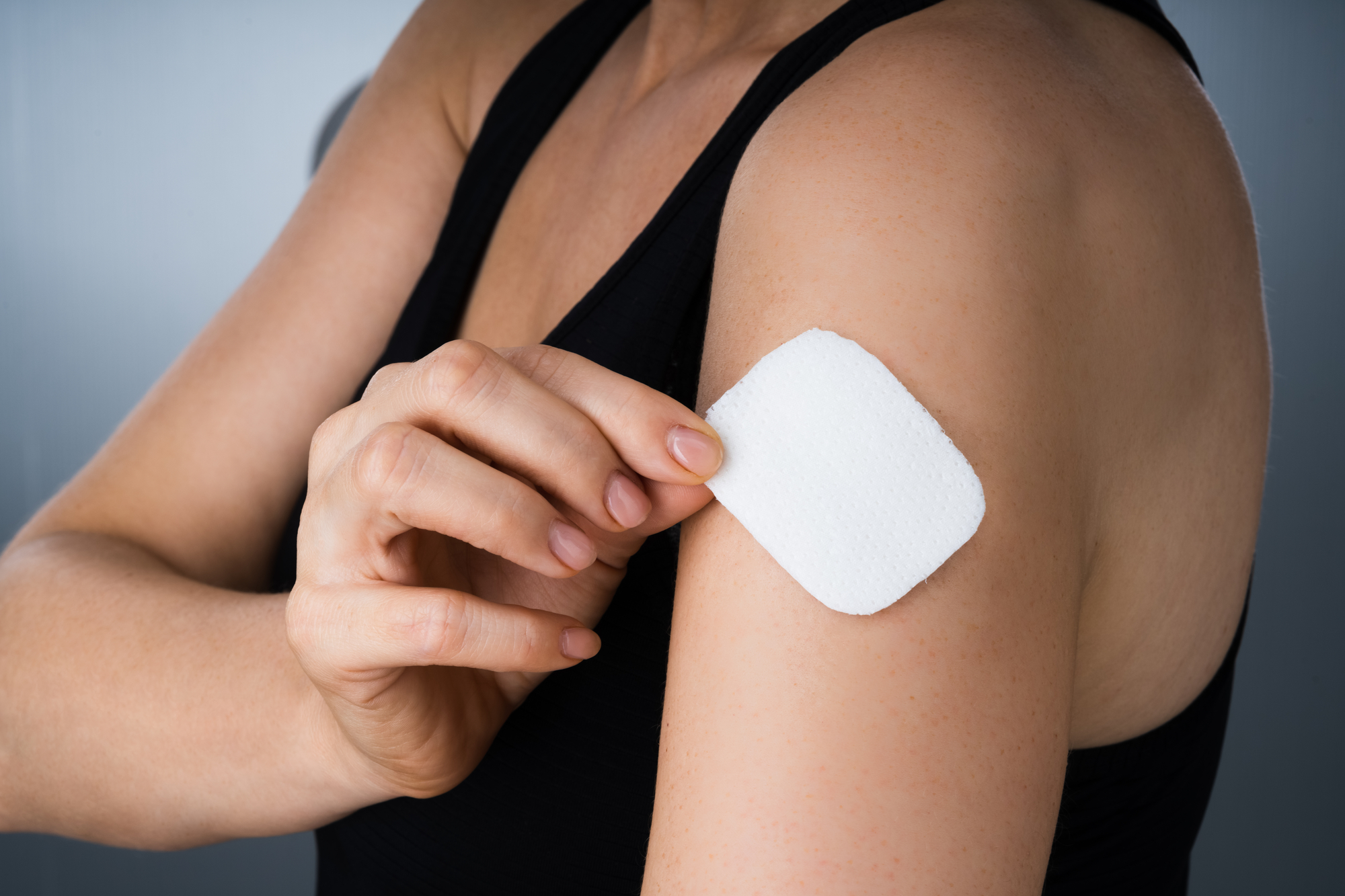
They look like a skin care gimmick. The science behind them is anything but.
It starts, usually, at the worst possible time. A spot surfaces the night before something important: a meeting, a wedding, a first date and suddenly you’re standing in front of a bathroom mirror at 11pm, weighing your options. Most of them are bad. Squeezing makes things worse. Harsh spot treatments leave a red, flaking circle where the blemish was. Concealer sits on top of the problem without doing anything about it.
And then someone hands you a hydrocolloid patch, a translucent little disc the diameter of a shirt button, and tells you to stick it on and go to sleep.
It sounds too simple to be real. It isn’t.
What a Hydrocolloid Patch Actually Is
The technology didn’t start in beauty. Hydrocolloid dressings have been used in wound care for decades hospitals use them on surgical sites, burns, and chronic ulcers because they create a sealed, moist environment that accelerates healing while protecting the wound from external bacteria.
The material itself is a gel-forming agent typically a combination of substances like gelatin, pectin, or carboxymethylcellulose sealed within a thin adhesive backing. When it contacts a moist surface, it absorbs fluid and slowly turns from clear to white and opaque. That white, cloudy appearance that the patch takes on overnight isn’t a sign that something went wrong. It’s the patch doing exactly what it’s supposed to do.
Sometime in the early 2010s, Korean beauty brands made the connection that a spot particularly an open, weeping, or freshly popped one is, functionally, a small wound. The same mechanism that helps surgical sites heal cleanly could work on a pimple. They scaled the technology down, made it skin-toned, and the acne patch was born.
The Science of Why It Works
A hydrocolloid patch does several things at once, which is part of why it outperforms most spot treatments applied and left open to the air.
It absorbs the fluid driving the inflammation. The gel material draws out the pus, sebum, and exudate sitting inside or near the surface of a blemish. This is the mechanism behind the satisfying white disc you peel off in the morning that’s absorbed material, not the patch simply going opaque.
It maintains a moist healing environment. This is counterintuitive to anyone who grew up being told to “dry out” spots. But research in wound healing has consistently shown that moist environments heal faster and with less scarring than dry ones. Keeping the area sealed prevents the skin from forming a dry, hard scab, which can actually slow cellular repair and increase the risk of post-inflammatory marks.
It physically prevents interference. This one is underrated. A patch on a blemish is a small, firm barrier against fingers, makeup brushes, pillowcases, and the unconscious touching that makes most spots worse than they need to be. For people who pick and most people pick, even when they’re trying not to a patch removes the option entirely.
It protects from bacteria. The sealed environment doesn’t just keep things out; it prevents the existing bacteria in and around the spot from spreading to surrounding pores, which is how a single blemish can quietly become several.
What They Work Best On and What They Don’t
Hydrocolloid patches are not a universal solution, and understanding their limits saves money and frustration.
They work best on superficial, surface-level blemishes: whiteheads, pustules, or any spot that has already come to a head or been opened. The absorption mechanism requires access to fluid near the skin’s surface. A patch applied to a fresh whitehead overnight will often show visible results by morning.
They are significantly less useful on cystic or nodular acne the deep, painful kind that sits well beneath the skin’s surface with no visible head. There is no fluid near the surface for the patch to absorb, and the occlusive seal can’t reach the source of the problem. For deep cystic acne, a patch does little more than prevent touching, which is still something, but it isn’t a treatment.
They also work poorly over heavy moisturizer or oil. The adhesive needs clean, relatively dry skin to seal properly. Applying a patch to a face that’s just been layered with serums and creams will usually result in the patch sliding off sometime around 2am.
Microneedle Patches: The Newer Version
The category has evolved. Alongside standard hydrocolloid patches, a newer generation of acne patches uses microneedles tiny, dissolving spikes made from hyaluronic acid or similar materials that penetrate the upper layers of skin to deliver active ingredients closer to the source of the blemish.
The logic is sound: if a cystic spot is too deep for a surface patch to address, dissolving microneedles loaded with salicylic acid or niacinamide can bridge some of that distance. The research on these is still developing, and they are generally more expensive, but for deep blemishes that standard patches can’t touch, they represent a meaningful step forward in the category.
How to Get the Most Out of Them
The instructions are simple enough that people routinely skip them and then blame the product.
Apply to clean, dry skin. Not damp. Not freshly moisturized. Clean and dry. Press firmly for a few seconds to ensure the edges are sealed. Leave on for at least six hours overnight is ideal. Resist peeling it back to check progress. The patch needs uninterrupted contact to work.
During the day, patches can be worn under makeup many are designed specifically for this, thin enough to be nearly invisible under foundation or concealer. If you’re using one as a daytime barrier rather than an overnight treatment, change it every few hours as it fills.
The Bottom Line
Hydrocolloid patches are one of the few skin care products where the mechanism is well understood, the use case is specific, and the results are consistent enough to justify the reputation. They don’t work on everything. They don’t replace a proper skin care routine or, for persistent acne, a conversation with a dermatologist. But for the spot that appears the night before something important, they are without much competition the most sensible thing you can put on your face.
Keep a few in the bathroom cabinet. Future-you, standing at the mirror at 11pm, will be grateful.


