


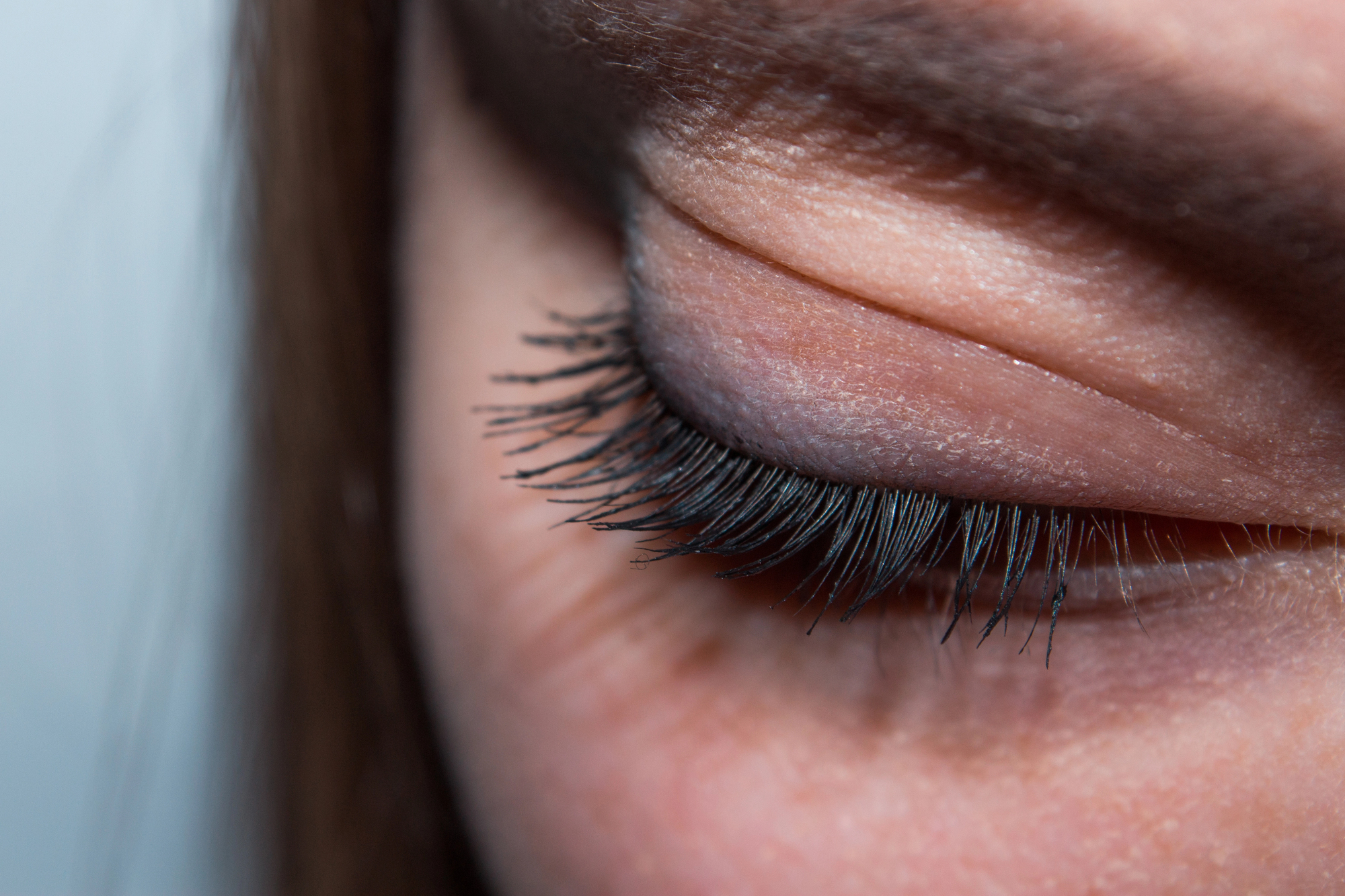
It survives everything. But daily use comes with a cost most people don’t think about until later.
There are certain beauty products that earn their place in a bag not through daily habit but through specific necessity. Waterproof mascara is one of them. It exists for the situations where regular mascara simply cannot be trusted outdoor weddings in August, long-haul flights, days when crying is either planned or likely, mornings that will turn into long evenings. In those moments, the waterproof version does something genuinely impressive: it stays put, completely, regardless of what the day throws at it.
The problem is that a lot of people use it every day, for no particular reason, and then wonder why their lashes seem thinner and more brittle than they used to be.
This is a piece about what waterproof mascara actually is, what it does well, what it costs your lashes over time, and how to use it in a way that gets the benefits without the damage.
Why It Stays Put: The Actual Chemistry
Standard mascaras are water-based formulations. They use water as their primary solvent, which makes them easy to apply, comfortable to wear, and simple to remove with a gentle cleanser or micellar water. The trade-off is predictable: introduce enough water rain, sweat, tears, humidity and the formula softens, migrates, and eventually ends up somewhere other than your lashes.
Waterproof mascaras solve this by replacing water-based ingredients with film-forming polymers and wax-heavy formulations compounds that bond to the lash surface and resist water rather than dissolving in it. Many formulas use silicones and acrylate polymers that form a flexible but durable film around each lash. Some include beeswax, carnauba wax, or synthetic waxes that create a physical barrier against moisture.
The result is a formula that genuinely does not move. It doesn’t smudge in rain, doesn’t migrate in humidity, doesn’t slide down your face at a funeral or a finish line. For the specific situations that demand it, there is no real substitute.
The Lash Damage Problem
Here is where regular use starts to work against you.
The same properties that make waterproof mascara so durable make it genuinely difficult to remove. The wax-and-polymer film that bonds so effectively to lashes doesn’t dissolve in water, which means removing it requires either an oil-based remover, a dedicated eye makeup remover, or and this is where most of the damage happens friction.
When people rub at waterproof mascara with a cotton pad, drag it downward with a wipe, or attempt to rinse it away with water alone, they’re subjecting their lashes to mechanical stress at the point where they’re most vulnerable: the root. Lashes are fine, fragile hairs attached to follicles in a relatively thin strip of skin. Repeated pulling, rubbing, and tugging at that attachment point causes breakage and, over time, can affect the follicle itself leading to lashes that grow back thinner, shorter, or more sparsely than before.
The mascara itself isn’t inherently damaging in most cases. The removal process is. And because waterproof mascara requires more aggressive removal than regular mascara, the cumulative effect of daily use can, over months, noticeably thin the lashes of people who aren’t careful about how they take it off.
How to Remove It Without the Damage
The method matters as much as the product.
Oil dissolves wax. This is the foundational principle behind proper waterproof mascara removal, and it’s why oil-based cleansers and dedicated eye makeup removers with an oil phase are so much more effective and so much gentler than rubbing with a wet cotton pad.
Soak a cotton pad with an oil-based remover or a micellar water specifically formulated for waterproof makeup. Hold it gently against the closed eye for twenty to thirty seconds. This is the step most people skip. Those seconds are doing the work softening the formula so that it releases from the lash rather than requiring force to lift it. After that pause, wipe downward once or twice with minimal pressure. The mascara should come away cleanly.
Never rub sideways, never press hard, never repeat the motion more than a few times. If the product isn’t releasing, the issue is almost always insufficient soak time, not insufficient pressure.
The Conditioning Formula Gap
One of the meaningful differences between budget and mid-to-premium waterproof mascaras is what else is in the formula alongside the film-forming agents.
Higher-quality waterproof formulas often include ingredients designed to offset some of the drying effect of their wax and polymer content panthenol (vitamin B5), biotin, amino acids, or various botanical conditioning agents. These won’t fully counteract the effects of poor removal technique, but they do help maintain lash flexibility and reduce the brittleness that comes from wearing a stiff, occlusive formula all day.
If you use waterproof mascara regularly, it’s worth looking for formulas that list conditioning or nourishing ingredients alongside their waterproofing agents. Lash serums applied at night particularly those containing peptides or biotin can also help maintain lash health over time if waterproof formulas are a regular part of your routine.
When to Use It and When Not To
The honest answer is that waterproof mascara deserves a specific-occasion role in most people’s routines rather than a daily one.
Use it when the situation genuinely calls for it: events involving heat and humidity, outdoor activities, emotionally loaded occasions, days that begin early and end late, any context where mascara migration would be either noticeable or genuinely inconvenient.
On ordinary desk days, short days, days where nothing particularly demanding is happening a good regular mascara will perform perfectly well, remove cleanly with minimal effort, and leave your lashes in better long-term condition.
The distinction sounds minor, but applied consistently over months, it makes a real difference to lash health.
A Note on the “Tubing” Alternative
For anyone who wants the staying power of waterproof mascara without the removal difficulties, tubing mascaras are worth knowing about. Rather than coating lashes with a film, tubing formulas form individual polymer tubes around each lash. They’re highly smudge-resistant and largely humidity-proof, though they won’t survive swimming or heavy sweating the way a true waterproof formula will.
The removal advantage is significant: tubing mascaras slide off cleanly with warm water, no oil-based remover required, with virtually no friction on the lash. For anyone whose main concern is everyday smudging rather than full waterproofing, they represent a genuinely useful middle ground.
The Bottom Line
Waterproof mascara is, in the right circumstances, one of the most reliable things in a makeup bag. It does what it promises, consistently, and no comparable product does it better. The case against daily use isn’t about the formula it’s about the removal ritual that comes with it, and the cumulative toll that ritual takes when it isn’t done carefully.
Use it deliberately. Remove it properly. On the days that genuinely need it, it earns its reputation completely. On the days that don’t, your lashes will quietly thank you for reaching for something gentler.


