


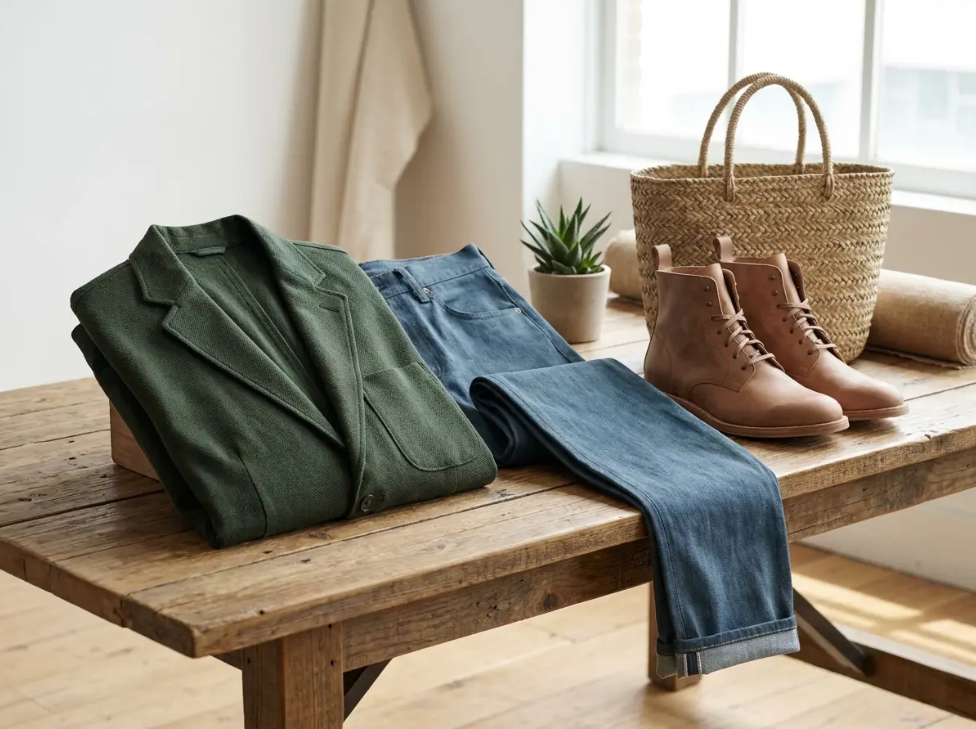
Luxury fashion trends constantly shift to reflect broader cultural movements and the current economic realities of the global market. Today, high-end apparel is experiencing a dramatic transformation across the United States as consumer preferences radically change. Shoppers are rapidly moving away from flashy logos and embracing the subtle elegance of minimalist design aesthetics. This significant shift represents a fundamental change in how wealthy Americans perceive social status and true exclusivity. Modern luxury focuses heavily on exceptional materials, ethical production methods, and timeless design principles that transcend seasons. Established heritage brands are responding to these new consumer expectations without losing their historical brand identity by focusing on designer clothing quality.
Understanding these market shifts provides valuable context for fashion industry professionals and dedicated style enthusiasts alike. The industry is actively responding to a more educated consumer base that demands absolute transparency from designers. Heritage fashion houses and emerging independent designers must adapt to these strict new expectations to remain profitable. We will examine the specific aesthetic movements currently dominating high-end apparel markets throughout the United States. This comprehensive analysis covers everything from sustainable manufacturing processes to the integration of digital wearable technologies. Explore our comprehensive fashion market analysis for additional context on current retail performance metrics.
Quiet luxury has rapidly become the defining aesthetic movement of the current decade for affluent shoppers. This specific style prioritizes exceptional craftsmanship and premium materials over recognizable branding or loud designer logos. Consumers with high net worth now prefer understated garments that signal wealth through quality construction rather than flash. Brands like The Row and Loro Piana have seen massive revenue increases in the United States recently. Their continued commercial success proves that modern buyers highly value discretion, supreme comfort, and perfect tailoring.
This minimalist approach requires extraordinary attention to detail during the entire garment manufacturing and design process. Designers must rely on perfect silhouettes and premium fabrics like rare vicuña wool or heavy double-faced silk. A simple cashmere sweater might cost two thousand dollars, but the flawless construction completely justifies the price. According to a recent report by McKinsey & Company, brands embracing this stealth wealth aesthetic significantly outperformed their competitors. The complete absence of obvious branding actually makes these exclusive pieces infinitely more desirable to wealthy consumers.
This sophisticated aesthetic currently dominates corporate boardrooms and exclusive resorts across the entire country. Professionals want versatile garments that transition seamlessly from important client meetings to evening social events downtown. Quiet luxury provides this essential versatility while maintaining an aura of absolute refinement and unquestionable personal success. This growing trend represents a true maturation of the American consumer market regarding high-end apparel.
- Quiet luxury and high-end apparel prioritize material quality and perfect construction over recognizable logos or flashy branding elements.
- Brands offering minimalist, unbranded designer clothing are seeing significantly higher revenue growth in the US market.
- Versatility and discretion are now the primary indicators of high social status and wealth.
Sustainable Fashion Trends: Eco-Friendly Ethics as a Modern Status Symbol for High-End Apparel
Environmental responsibility currently plays a central role in shaping modern luxury fashion trends globally. Affluent shoppers actively seek out brands that prioritize ethical sourcing and implement circular production methods. Why should one consider the specific supply chain of an expensive cashmere sweater? A beautiful garment quickly loses its appeal if the manufacturing process severely damages the local environment. High-end fashion houses are investing millions of dollars in developing innovative, eco-friendly textile materials today.
Many historical heritage brands are replacing traditional exotic skins with lab-grown alternatives or advanced plant-based leathers. Stella McCartney pioneered this ethical movement years ago, but traditional European houses are quickly catching up. The Business of Fashion reports that seventy-five percent of luxury consumers consider sustainability before making purchases. They demand total transparency regarding raw supply chains, factory labor conditions, and corporate carbon footprints. This intense consumer demand forces the entire apparel industry to completely rethink its standard operational models.


