



Over five million Americans experience newly diagnosed cases of skin cancer during every single calendar year, making the consistent use of sunblock sunscreen a vital health priority.
Daily application of premium sunblock sunscreen serves as your primary biological defense against harmful ultraviolet radiation exposure.
Medical professionals consistently recommend proper daily sun protection to effectively prevent premature aging and severe long-term cellular damage.
Humanity has consistently sought reliable protection from intense solar radiation for thousands of recorded historical years.
Early civilizations utilized various natural oils and native plant extracts to shield their sensitive skin from harsh sunlight.
Ancient Egyptians frequently applied mixtures of rice bran and jasmine to prevent painful sunburns during extensive agricultural work.
The first commercially available protective sunscreens initially appeared across the United States during the late nineteen thirties.
Chemists originally developed extremely thick and sticky protective pastes primarily for military personnel stationed in tropical climates.
These early product iterations functioned entirely as physical barriers utilizing heavy zinc oxide chemical formulations for basic protection.
Extensive scientific advancements throughout the twentieth century completely transformed the commercial sun care manufacturing industry worldwide.
Dedicated researchers eventually discovered the distinct biological differences between various invisible wavelengths of harmful ultraviolet radiation.
This vital scientific knowledge led directly to the modern development of highly sophisticated broad-spectrum sunblock sunscreen products.
Understanding the Science Behind Sunblock Sunscreen and UV Protection
Many average consumers frequently use the descriptive terms sunblock and sunscreen completely interchangeably in casual conversation.
They actually represent entirely different protective chemical technologies with highly distinct biological mechanisms of action.
Sunblock sunscreen, often categorized as a mineral sunscreen, functions directly as an invisible physical barrier sitting securely on top of your exposed epidermis.
These protective formulas typically rely on active mineral ingredients like zinc oxide or pure titanium dioxide.
The active minerals physically reflect harmful ultraviolet rays away from your vulnerable body before they cause cellular damage.
Chemical sunscreens operate through a completely different biological process that absorbs directly into your living skin tissue.
These chemical products absorb into the skin and convert ultraviolet light directly into harmless thermal heat energy.
The human body then safely releases this generated heat naturally through the surface of the exposed skin.
Most certified dermatologists strongly prefer physical sunblock sunscreen for treating patients with highly sensitive skin conditions.
According to detailed research from the Food and Drug Administration, active mineral ingredients remain generally recognized as completely safe.
Chemical filters like oxybenzone have recently shown significant potential for unwanted systemic absorption into the human bloodstream.
This important distinction drives many health-conscious consumers to choose physical blocking formulas exclusively for their daily protection.
- Sunblock relies on physical minerals to reflect harmful UV radiation away from the body.
- Chemical sunscreens absorb into the skin and convert UV rays into harmless thermal energy.
- Mineral ingredients like zinc oxide remain the safest option for sensitive or reactive skin types.
Decoding the Sunblock Sunscreen Label: SPF and Broad Spectrum Coverage
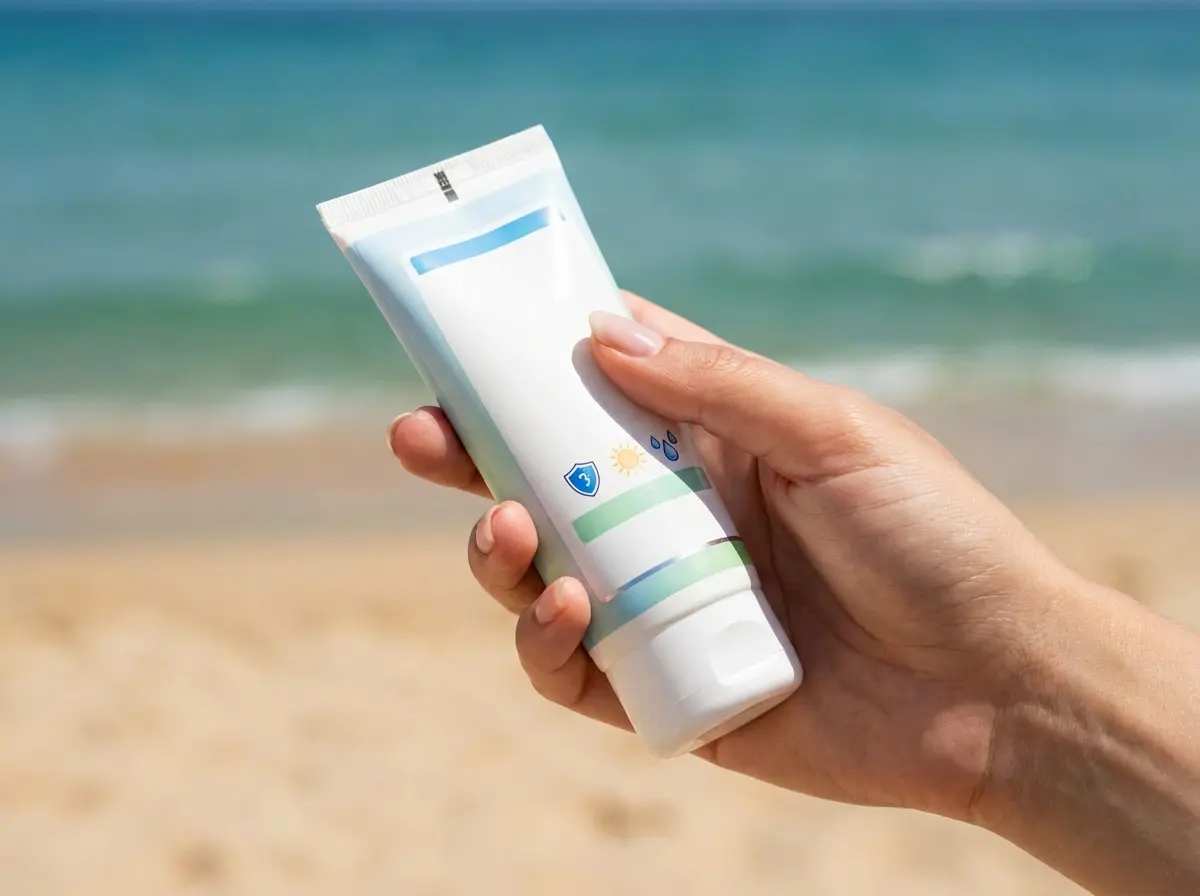
Understanding complex sunblock sunscreen labels requires a basic foundational grasp of different ultraviolet radiation types.
Ultraviolet A rays penetrate deeply into the human skin and directly cause prominent wrinkles and premature aging.
Ultraviolet B rays primarily affect the superficial skin layers and directly cause visible and painful surface sunburns.
Broad-spectrum protective formulas comprehensively defend against both dangerous types of damaging solar radiation simultaneously.
The Sun Protection Factor rating specifically measures a product’s defensive capabilities against harmful UVB rays.
According to the Skin Cancer Foundation, an SPF 30 product effectively blocks roughly ninety-seven percent of incoming UVB rays.
Higher numerical ratings offer marginally better overall protection, with SPF 50 blocking about ninety-eight percent of the radiation.
No currently available sunblock sunscreen can possibly provide completely perfect total protection from the intense sun.
You must intentionally select products that explicitly state broad-spectrum coverage directly on the front packaging label to ensure a complete skin care routine.
Always check the expiration date on your sunblock sunscreen before heading outdoors. Expired formulas lose their protective capabilities and leave your skin vulnerable to severe radiation damage.
Mastering Proper Sunblock Sunscreen Application Techniques
Most American consumers typically apply less than half the medically recommended amount of protective sunblock sunscreen.
This frequent under-application drastically reduces the actual protection factor you receive during extended outdoor recreational activities.
How much protective product do you actually need for complete defensive coverage across your entire body?
Let us carefully review the proper standard protocol for applying these protective mineral formulas highly effectively.
Physical blockers require careful and deliberate application to completely avoid leaving a prominent white cast behind.
You must actively distribute the thick product evenly to successfully create an unbroken defensive epidermal shield. [INTERNAL_LINK: best application tools]
How to Apply Mineral Formulas
1. Prepare Your Skin
Cleanse and thoroughly moisturize your face and entire body before applying any protective mineral products. Hydrated skin allows thick mineral formulas to spread much more evenly across the entire surface area.
2. Measure the Correct Volume
Dispense a nickel-sized dollop for your face and a full shot glass for your entire body. Using insufficient product amounts severely compromises the stated SPF value printed on the bottle.
3. Blend and Reapply
Rub the formula thoroughly until the white cast fades entirely into your natural skin tone. Reapply the protective product every two hours or immediately after swimming or heavy physical sweating.
Evaluating Environmental Impact and Reef-Safe Sunblock Sunscreen Formulas
The severe environmental impact of sunblock sunscreen has sparked significant regulatory legislative changes across the United States.
Hawaii recently passed strict legislation officially banning the commercial sale of products containing oxybenzone and octinoxate entirely.
These common chemical filters directly contribute to severe mass coral bleaching and rapid marine ecosystem degradation.
Environmentally conscious consumers increasingly prefer mineral-based sunblock sunscreen to actively protect delicate global coastal environments.
Cosmetic formulators now widely use non-nano zinc oxide to successfully provide robust sun protection completely safely.
These intentionally larger mineral particles cannot be accidentally ingested by microscopic living marine coral polyps.
Never assume a product is environmentally friendly just because the packaging features ocean imagery. You must verify environmental safety claims by directly reading the active ingredient list yourself.
Many popular cosmetic brands use confusing deceptive marketing terms that completely lack formal legal regulatory definitions.
You should strictly look specifically for products containing only zinc oxide or pure titanium dioxide ingredients.
This careful verification habit guarantees you actually purchase true reef-safe protection for your upcoming beach vacations.
How to Choose the Right Sunblock Sunscreen for Your Skin Type
Do you frequently experience painful breakouts after applying heavy protective mineral lotions to your sensitive face?
Modern non-comedogenic cosmetic formulas utilize specialized micronized zinc to successfully prevent clogged pores and painful irritation.
Look specifically for lightweight oil-free lotions that feature a matte finish to effectively control excess sebum production.
Chronically dry skin types benefit significantly from sunblock sunscreen containing added premium hydrating cosmetic ingredients.
Formulas heavily enriched with hyaluronic acid or essential ceramides lock in moisture while providing vital sun protection.
Cream-based physical blockers naturally prevent rapid transepidermal water loss throughout the duration of the entire day.
People possessing naturally darker skin tones historically struggled to find highly wearable daily mineral sun protection.
Traditional zinc oxide frequently leaves a highly noticeable purple or gray chalky residue on melanin-rich skin.
Cosmetic chemists now regularly create specialized tinted variations that blend completely seamlessly across highly diverse complexions.
Expertly Debunking Common Sunblock Sunscreen Myths
Many mistaken individuals completely believe that acquiring base tans actively prevents future painful sunburns highly effectively.
A standard base tan actually provides a minimal SPF equivalent of roughly three, which offers negligible protection.
Any visible change in natural baseline skin color represents permanent cellular DNA damage from ultraviolet radiation.
Another incredibly common misconception involves routine indoor sun exposure during typical corporate office workdays.
Standard architectural glass windows successfully block UVB rays but allow dangerous UVA rays to pass through completely.
You still absolutely need daily sunblock sunscreen while sitting comfortably in your office or driving a vehicle.
Some misinformed consumers deliberately avoid protective products due to persistent unfounded concerns about dangerous vitamin D deficiency.
The American Academy of Dermatology officially states that normal daily usage does not cause significant vitamin deficiencies.
You can completely safely obtain sufficient vital vitamin D through a balanced nutritional diet and oral supplements.
Final Thoughts: Protecting Your Skin with Sunblock Sunscreen
Consistent daily use of premium sunblock sunscreen represents the most highly effective strategy for preserving skin health.
You must deliberately select broad-spectrum protective formulas with adequate SPF ratings for your specific active outdoor lifestyle.
Proper standard application techniques completely guarantee you receive the actual reliable protection promised on the product label.
Make daily sun protection an automatic habitual practice rather than an optional afterthought during your morning routine.
Daily preventative diligence successfully prevents painful superficial burns and significantly lowers your total lifetime risk of skin cancer.
Protect your long-term physical well-being by consistently choosing high-quality protective mineral formulas for your entire family.
- Broad-spectrum formulas prevent both premature aging and painful surface burns effectively.
- Adults require a full shot glass of product to cover their body adequately.
- Daily indoor application remains necessary due to UVA radiation penetrating standard glass windows.


