



Millions of Americans spend their days chasing a wellness lifestyle without fully understanding what that actually means in practice. Do you ever wonder why standard medical advice sometimes falls short of making you feel truly vibrant? You might buy organic food, exercise a few days a week, and try to sleep eight hours to maintain good health. However, the pursuit of longevity and vitality requires a more nuanced understanding of how our biological systems interact with our modern environment. This journey is not merely about the absence of disease but the presence of optimal function across all areas of human experience.
Yet, building a true wellness lifestyle requires a much broader approach to how you live and function every single day. It shifts the focus from simply reacting to illness to proactively creating habits that support long-term vitality. This proactive approach empowers you to take control of your daily routine and your future physical outcomes. By acknowledging that your health is a result of cumulative daily choices, you can begin to steer your life toward a state of thriving rather than just surviving. This shift in perspective is the first step toward a more energized and purposeful existence.
You can build a framework that supports your personal goals and improves your overall quality of life significantly. Understanding these core concepts helps you filter out distracting marketing claims and focus on proven biological principles. Your path to better health begins with a clear definition of what you actually want to achieve. Whether your goal is to improve cognitive performance at work or maintain physical agility as you age, a structured plan is essential. When you align your daily actions with your long-term health objectives, you create a powerful momentum that sustains your progress over time.
The modern landscape of health is often cluttered with conflicting information and “quick-fix” solutions that rarely deliver lasting results. To truly excel, one must look at the body as an integrated system where nutrition, movement, and mental clarity work in harmony. This holistic view allows you to identify the specific levers that will have the greatest impact on your unique physiology. By investing time in learning the fundamentals of human biology, you become the primary architect of your own well-being. This empowerment is the cornerstone of a life lived with intention and physical resilience.
Let us look at how the global wellness institute defines wellness to get a clear baseline for discussion. The wellness institute defines it as the active pursuit of activities, choices, and lifestyles leading to a state of holistic health. This active process means you are making conscious decisions every single day to improve your physical circumstances. It is not a passive state that you simply “have,” but rather a series of intentional actions that you perform consistently. This definition emphasizes that wellness is a journey of self-discovery and continuous improvement rather than a final destination.
A healthy lifestyle moves beyond just avoiding health problems or managing chronic diseases as you get older. The global wellness institute defines this concept further by separating it entirely from traditional health care systems. Medical systems typically focus on treating you after you get sick or sustain a serious physical injury. While reactive medicine is vital for crisis management, it often fails to address the underlying lifestyle factors that contribute to chronic conditions. By focusing on the “active pursuit,” you are essentially building a defensive shield against the common ailments of modern life.
In contrast, wellness defined properly focuses heavily on prevention and maximizing your daily potential for physical energy. This critical distinction helps you build a solid foundation for lasting physical strength and resilient mental vitality. When you look at how the wellness institute defines wellness, the emphasis always remains on proactive choices. These choices include everything from the quality of the air you breathe to the nature of your social interactions. Every aspect of your environment plays a role in determining your overall state of health and happiness.
The institute defines wellness as a dynamic state rather than a static goal you eventually check off. You must continuously adapt your daily habits as your body ages and your personal life circumstances shift. This specific mindset prevents complacency and encourages lifelong learning about your own biology and personal health metrics. As scientific research evolves, so too should your approach to nutrition, exercise, and recovery. Staying informed about the latest developments in health science allows you to refine your routine for maximum effectiveness and longevity.
Furthermore, the concept of wellness encompasses several dimensions, including emotional, spiritual, and social health. It is impossible to achieve true physical vitality if your emotional state is in constant turmoil or if you lack a sense of purpose. A comprehensive approach to a wellness lifestyle requires you to nurture your relationships and find meaning in your daily activities. When these various dimensions are in balance, you experience a sense of harmony that radiates through every aspect of your life. This holistic integration is what truly defines a state of high-level wellness in the modern world.
- Wellness requires a proactive approach to daily habits rather than just reacting to illness.
- True holistic health extends beyond standard medical care and focuses on daily prevention.
- You must continuously adapt your routines as your body and life circumstances change over time.
Core Pillars of a Healthy Lifestyle and Physical Vitality
Maintaining a healthy body requires consistent attention to both your physical inputs and your mental emotional states. Physical activity stands out as a completely non-negotiable component of this biological equation for long-term human survival. Regular movement strengthens your cardiovascular system and builds the muscle density necessary for long-term physical independence. According to the World Health Organization, physical activity is essential for preventing non-communicable diseases and improving overall mental well-being. Adopting a healthy lifestyle involves finding forms of movement that you genuinely enjoy, which ensures you will stick with them for years.
You do not need to train like a professional athlete to see significant benefits for your physical health. Are you giving your body the specific nutrients required to function at an optimal level every day? Healthy eating gives your cells the raw materials they need to repair damage and generate sustainable energy. Transitioning toward a sustainable healthy lifestyle involves prioritizing nutrient-dense foods that stabilize your blood sugar and support metabolic health. When you fuel your body correctly, you notice an immediate improvement in your focus, mood, and physical endurance.
Focus on eating healthy whole foods rather than relying on heavily processed convenience meals during busy workdays. Many people find that simple dietary adjustments naturally lead to sustainable weight loss without extreme caloric restrictions. Your mental health requires just as much daily attention as your physical exercise habits and nutritional choices. Chronic stress can undermine even the best diet and exercise plan by elevating cortisol levels and disrupting your hormonal balance. Therefore, integrating relaxation techniques into your daily routine is not a luxury, but a biological necessity for long-term health.
Effective stress management protects your brain health and prevents emotional burnout in high-pressure corporate work environments. Supporting your mental wellness might involve daily meditation, spending time in nature, or setting clear technology boundaries. These specific practices keep your mind sharp and resilient against the daily frustrations of modern adult life. Research from the NIH suggests that mind-body practices can significantly reduce the physiological impact of stress on the human body. By cultivating a calm and focused mind, you enhance your ability to make rational decisions and maintain emotional stability.
Furthermore, sleep hygiene is a critical pillar that many high-achieving professionals often neglect in their daily routines. According to the Mayo Clinic, quality sleep is essential for cognitive function and emotional regulation. Without adequate rest, your body cannot effectively recover from the physical and mental demands of a busy lifestyle. The Sleep Foundation emphasizes that consistent sleep patterns are vital for maintaining a healthy immune system and metabolic rate. Prioritizing rest is one of the most effective ways to ensure your body remains resilient and capable of high performance.
Schedule your workouts and meal prep times on your calendar just like you would an important business meeting. Treating your health commitments with professional respect dramatically increases your long-term consistency.
Integrating Massage Therapy into Your Recovery Routine
Physical recovery is just as important as the exercise itself when you are building a sustainable wellness lifestyle. Incorporating massage therapy into your monthly schedule can significantly reduce muscle tension and improve your overall range of motion. This practice helps to flush out metabolic waste products and encourages the flow of oxygen-rich blood to tired tissues. Many people view massage as a luxury, but in the context of a high-performance life, it is a vital tool for injury prevention. By addressing minor muscular imbalances before they become chronic issues, you can maintain a consistent training schedule.
Beyond the physical benefits, regular therapeutic touch has been shown to lower heart rates and reduce systemic inflammation. Many athletes use these sessions to prevent injuries and maintain peak performance during intense training cycles throughout the year. By prioritizing recovery, you ensure that your body remains capable of meeting the physical demands of your daily life. Techniques such as deep tissue work or myofascial release can target specific areas of tension caused by long hours at a desk. This proactive approach to physical maintenance ensures that your body remains a reliable vehicle for your ambitions.
Furthermore, the psychological benefits of regular bodywork should not be underestimated in a comprehensive wellness lifestyle. The dedicated time for relaxation allows the nervous system to shift from a sympathetic “fight or flight” state to a parasympathetic “rest and digest” state. This transition is essential for hormonal balance and overall emotional resilience in a fast-paced world. When you combine professional massage with other recovery tools like foam rolling or stretching, you create a robust system for physical longevity. Investing in your body’s recovery today prevents the need for more invasive medical interventions in the future.
The Boom of the Wellness Economy
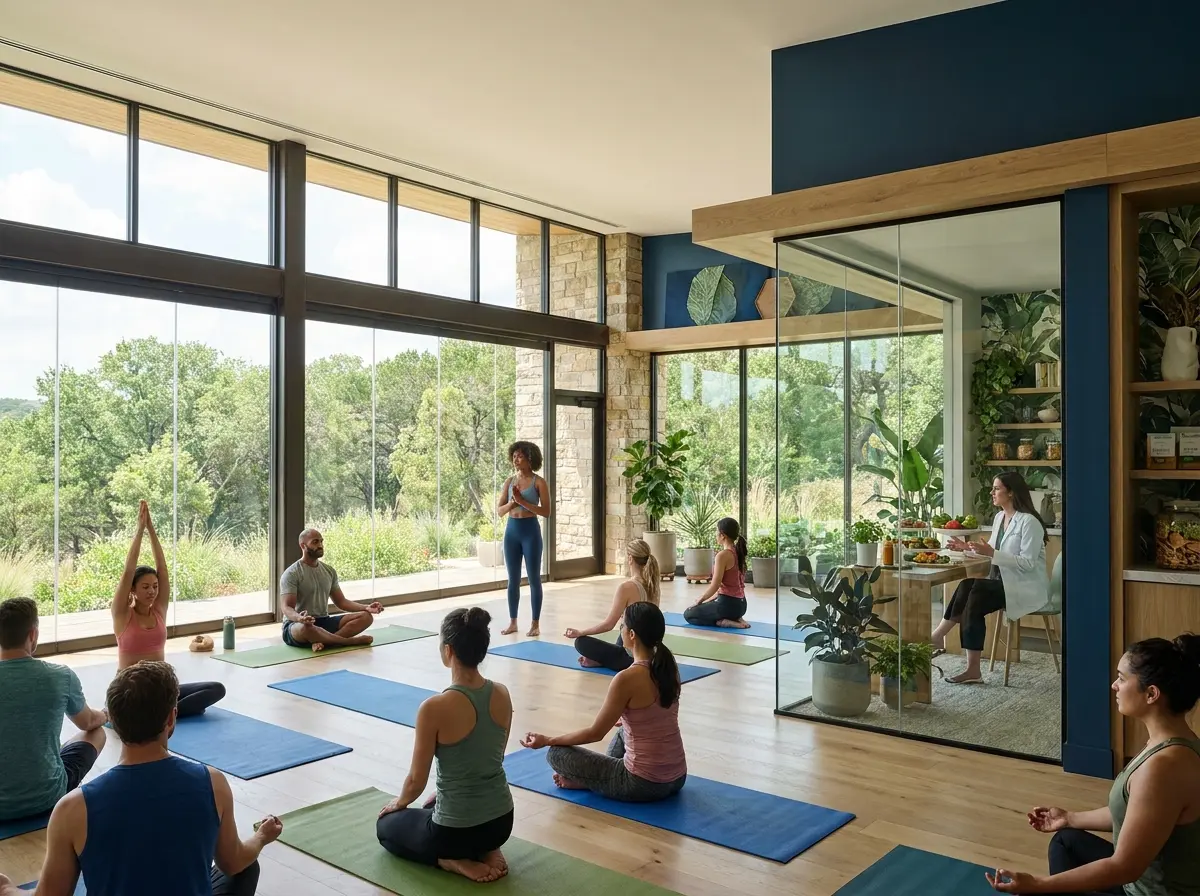
The global wellness economy has grown into a massive multi-trillion dollar market over the past ten years. Consumers now spend heavily on physical products and immersive experiences that support their personal vitality and longevity. Wellness tourism represents a massive segment of this growth as travelers prioritize restoration over traditional busy sightseeing. This shift reflects a deeper cultural change where health is viewed as the ultimate status symbol and a primary life goal. People are increasingly willing to invest their disposable income in services that promise a higher quality of life.
People are booking quiet retreats to access thermal/mineral springs and specialized recovery therapies around the globe. This massive economic shift extends far beyond temporary summer vacations or expensive weekend spa treatment packages. Wellness real estate is transforming how commercial developers design residential communities and corporate office spaces across America. These developments prioritize human health by integrating features like advanced water filtration and dedicated spaces for physical activity. The goal is to create environments that naturally nudge individuals toward healthier daily choices without requiring constant willpower.
Properties now feature advanced indoor air purification, natural light optimization, and built-in community spaces for social interaction. We see this wellness real trend accelerating everywhere from suburban American neighborhoods to the united arab emirates. The united arab region specifically shows massive financial investment in health-focused city infrastructure and sustainable building designs. These initiatives demonstrate a government-level commitment to improving the long-term health outcomes of the population. By designing cities that encourage walking and social engagement, they are addressing the root causes of many modern health challenges.
The arab emirates government heavily promotes local initiatives that encourage citizens to adopt better daily physical habits. This global wellness movement proves that physical environments significantly influence individual human behavior and long-term medical outcomes. A true wellness lifestyle integrates seamlessly with the physical spaces where you live, work, and spend time. As the market continues to expand, we can expect to see even more innovation in areas like personalized nutrition and wearable health technology. These advancements will make it easier than ever for individuals to monitor their health in real-time and make informed decisions.
As this economy expands, we are seeing a rise in digital health platforms that offer personalized coaching and biometric tracking. These tools allow individuals to monitor their progress in real-time and make data-driven decisions about their daily habits. The integration of technology into the wellness space is making professional-grade health insights accessible to a much wider audience. From smart rings that track sleep quality to apps that analyze blood glucose levels, the tools for optimization are becoming increasingly sophisticated. This democratization of health data empowers individuals to take a more active role in their own medical care.
How to Build a Personal Wellness Program
1. Establish Your Baseline
Evaluate your current physical health and identify areas that need immediate attention or significant lifestyle improvement.
2. Design Your Daily Routine
Create a personal wellness program that fits your actual schedule and realistic daily physical energy levels.
3. Integrate Workplace Habits
Participate in workplace wellness initiatives and attend local wellness events to build strong community support networks.
Integrating Professional Support for Good Health
While personal habits form the foundation of a wellness lifestyle, professional guidance is often necessary to achieve optimal results. When you decide to request appointment with a specialist, you are taking a major step toward personalized and effective care. A qualified medical professional can help you interpret complex data from your blood work or genetic testing results accurately. This partnership allows you to move beyond generic advice and implement strategies that are tailored to your specific genetic makeup and lifestyle. Professional oversight ensures that your efforts are safe, effective, and aligned with the latest clinical standards.
They may also provide information on the latest clinical trials that explore innovative ways to manage specific health conditions or improve longevity. Ensuring price transparency in these services allows you to plan your health investments without facing unexpected financial burdens later. If costs become a barrier, many organizations offer financial assistance programs to ensure that everyone has access to quality care. Access to expert knowledge is a critical component of a successful wellness lifestyle, as it provides the clarity needed to navigate a complex health landscape. By working with a team of experts, you can create a comprehensive plan that addresses all aspects of your well-being.
Always review the privacy policy of any health platform or digital tool you use to ensure your personal data remains secure. Protecting your health information is just as important as protecting your physical body in our increasingly digital world. By combining professional expertise with personal dedication, you create a powerful synergy that supports long-term physical and mental vitality. This collaborative approach allows you to leverage the best of modern science while maintaining personal agency over your daily habits. It is this balance of expert guidance and individual responsibility that leads to the most sustainable health outcomes.
Environmental wellness is another area where professional consultation can make a significant difference in your daily quality of life. Experts in indoor air quality or ergonomic design can help you optimize your home and office spaces for better health outcomes. These small environmental adjustments can lead to significant improvements in your energy levels and overall mood throughout the day. For example, optimizing your lighting to align with your circadian rhythm can dramatically improve your sleep quality and daytime alertness. When your environment supports your health goals, maintaining a healthy lifestyle becomes much more intuitive and less reliant on constant effort.
Committing to Long-Term Changes for a Wellness Lifestyle
The journey toward a sustainable wellness lifestyle is a marathon rather than a short sprint toward a temporary goal. It requires a fundamental shift in how you view your daily choices and their long-term impact on your biological health. Consistency is the most important factor in determining whether your new habits will lead to lasting physical transformations. Small, incremental changes are often more effective than drastic overhauls because they are easier to integrate into your existing routine. Over time, these small actions compound to create a profound shift in your overall state of health and vitality.
Social connections also play a vital role in maintaining your motivation and providing emotional support during challenging times. Engaging with a community of like-minded individuals can help you stay accountable to your health goals and share valuable insights. Whether it is a local running club or an online wellness forum, these connections foster a sense of belonging and purpose. Human beings are inherently social creatures, and our health is deeply influenced by the people we spend the most time with. Surrounding yourself with individuals who prioritize their well-being makes it much easier to stay committed to your own wellness lifestyle.
Finally, remember that your needs will change as you move through different stages of your life and career. What worked for you in your twenties may not be the most effective strategy as you enter your fifties or sixties. Stay curious about your own body and remain open to adjusting your routines as new scientific research and personal experiences emerge. This flexibility is key to maintaining a healthy lifestyle over the course of several decades. By remaining adaptable, you can navigate the inevitable changes of life without losing sight of your health and vitality goals.
By embracing a proactive and holistic approach, you can enjoy a life filled with energy, clarity, and physical resilience. The investment you make in your health today will pay dividends in the form of a more vibrant and fulfilling future. Start small, stay consistent, and watch as your daily choices transform your entire experience of living. True wellness is not a destination you reach, but a way of traveling through life with intention and vitality. As you continue on this path, you will find that the benefits extend far beyond your physical health, enriching every aspect of your existence.


