


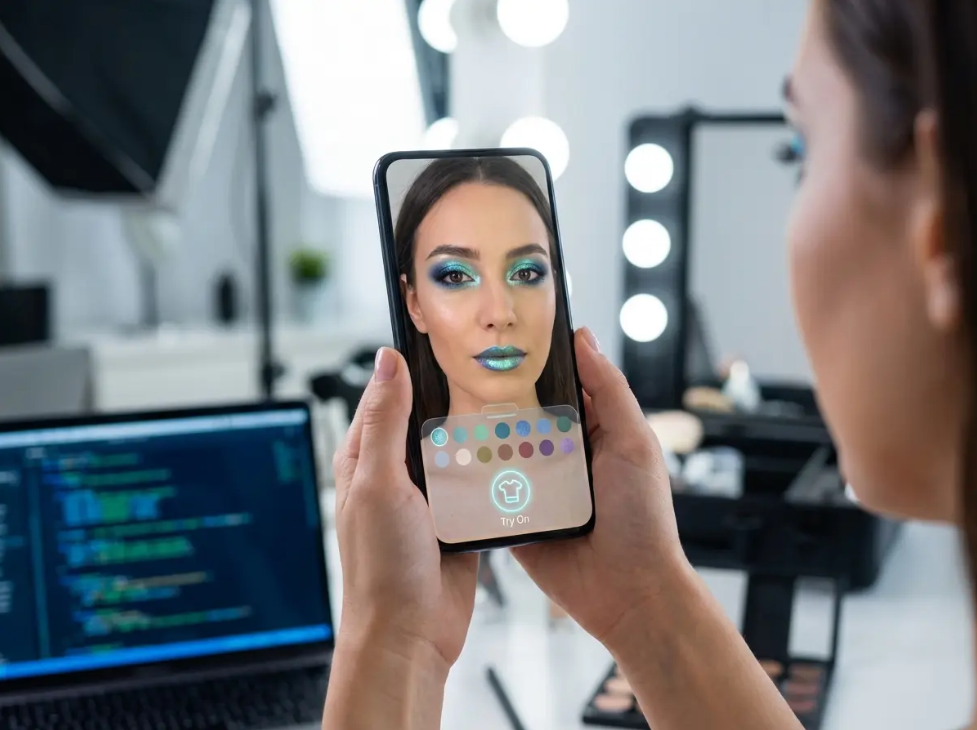
The global beauty industry experienced a massive technological shift over the past five years. Consumers no longer need to visit crowded physical cosmetic counters to test different shades of lipstick or foundation. A virtual makeup try on experience brings the entire beauty retail aisle directly to a consumer’s smartphone screen using advanced augmented reality.
You can now experiment with dozens of cosmetic products in seconds without using a single makeup wipe during your online shopping experience. This virtual try-on technology completely transformed how people shop for cosmetics online and inside physical retail stores. Brands that embrace these augmented reality tools see significant improvements in customer engagement and overall sales.
Modern beauty applications rely heavily on highly sophisticated computer vision and advanced augmented reality frameworks to function effectively. These complex systems utilize real-time face tracking to monitor specific facial features through standard high-definition smartphone cameras. A quality virtual makeup try on tool utilizes facial mapping to track dozens of distinct anchoring points across the lips, eyes, and cheeks.
This precise mapping allows the digital cosmetic overlay to move naturally as the user smiles, speaks, or blinks. Software developers constantly refine these complex algorithms to account for different environmental lighting conditions and varying skin tones. The final result is a highly realistic digital simulation that closely mirrors physical product application for the modern consumer.
Augmented Reality and Facial Mapping for Digital Cosmetics
Early iterations of beauty software often looked like flat cartoon filters pasted awkwardly over a user’s face. Today, advanced facial mapping recognizes the specific depth, curvature, and texture of human skin to ensure accuracy. The software automatically adjusts the digital cosmetics pigment to blend realistically with your natural complexion and bone structure.
If you test a glossy lip product, the augmented reality engine renders realistic light reflections that match your environment. Matte foundations will accurately minimize shine and smooth out digital pores on the device screen for a flawless look. This incredible level of detail builds consumer confidence during the online shopping experience and encourages final purchases.
AI Beauty Tools and Machine Learning Algorithms
Artificial intelligence plays a massive role in accurate color matching and providing personalized product recommendations for diverse users. Machine learning models and AI beauty tools analyze thousands of facial images to understand how different shades interact with various undertones. When you launch a virtual makeup try on feature, the system instantly processes your specific coloring to provide a virtual makeover.
The algorithm then suggests the most flattering foundation matches or eyeshadow palettes for your exact complexion. Retailers collect massive amounts of anonymous data to continuously train and improve these powerful recommendation engines. Over time, the software becomes incredibly accurate at predicting which cosmetic products shoppers will ultimately purchase for their routines.
Always advise your customers to use natural daylight when testing digital cosmetics. Artificial indoor lighting can drastically alter how the camera perceives skin undertones and product colors during the virtual makeup try on process.
Why Cosmetic Retail Brands Must Adopt Virtual Makeup Try On and Digital Beauty Tools
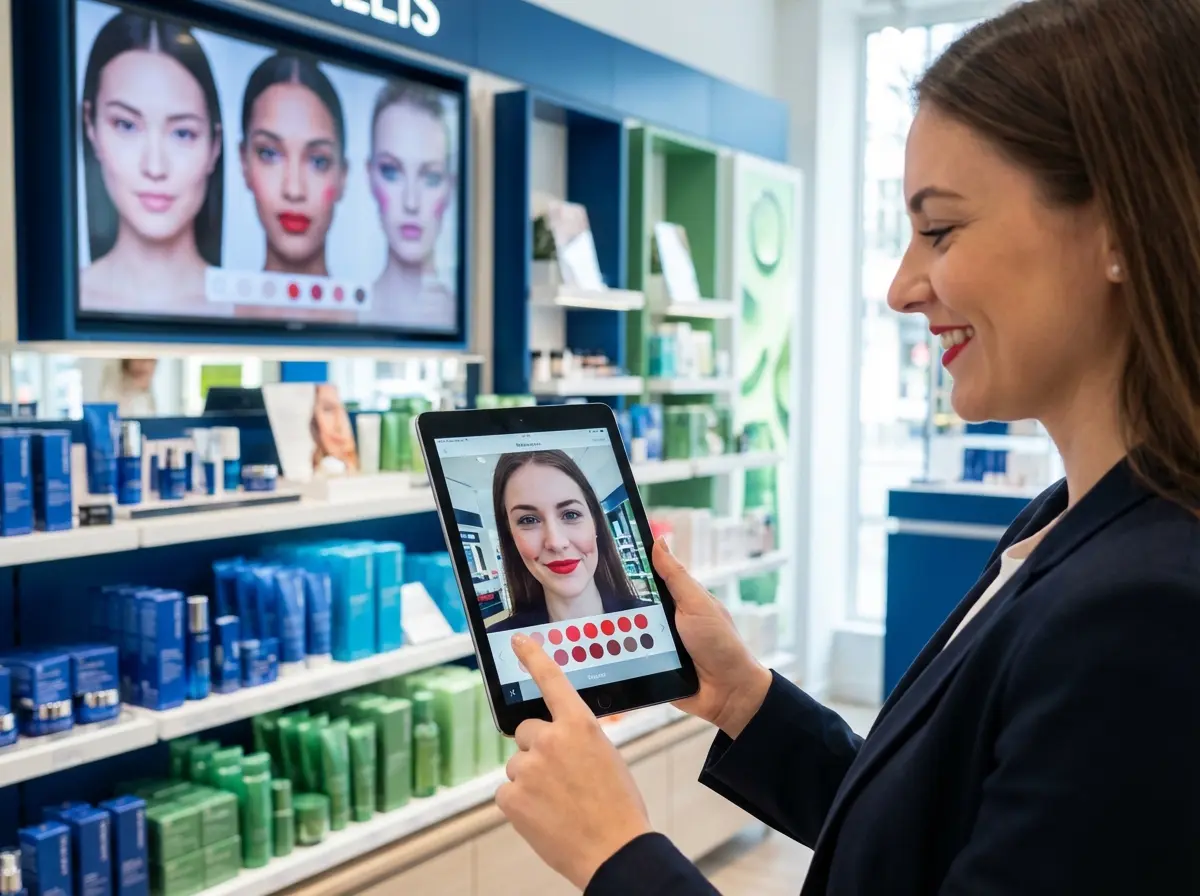
Cosmetic retail companies face intense competition in the rapidly expanding digital retail market. Shoppers abandon their online carts frequently because they cannot physically test the beauty products before buying. Implementing a virtual makeup try on solution directly addresses this hesitation by bridging the gap between physical and digital retail.
Customers spend significantly more time engaging with websites that offer interactive testing features and augmented reality. This increased engagement naturally leads to higher average order values and stronger long-term brand loyalty. You must provide interactive digital elements if you want to compete effectively in the modern beauty market today.
Boosting Conversion Rates with Virtual Makeup Try On
Data shows that interactive beauty technology and virtual try-on technology dramatically improve online sales metrics across the entire retail board. E-commerce platforms equipped with augmented reality features often report conversion rate increases of up to ninety percent. Shoppers feel much more secure adding a forty-dollar lipstick to their cart after seeing how the shade looks through a virtual makeup try on.
The technology effectively removes the financial guesswork that traditionally plagues online cosmetic purchases by providing a realistic preview. Brands also notice that customers who use these interactive tools tend to buy multiple items per individual transaction. A confident buyer is inherently a more profitable buyer for any retail operation looking to scale its digital presence.
Reducing Product Returns via Augmented Reality
Return rates severely impact profit margins for online beauty retailers operating in the United States. Health and safety regulations require companies to destroy most returned cosmetic items, resulting in massive financial losses. A virtual makeup try on experience helps mitigate this expensive issue by setting accurate visual expectations for every customer.
Customers receive exactly what they expect because they already tested the digital twin of the item using augmented reality. Companies that integrate these features report up to a thirty percent decrease in cosmetic returns. This reduction protects the bottom line while simultaneously reducing environmental waste from discarded products in the cosmetic retail sector.
- Augmented reality significantly boosts online conversion rates by increasing buyer confidence.
- Interactive virtual makeup try on testing reduces costly cosmetic product returns by up to thirty percent.
- AI beauty tools and machine learning algorithms provide highly accurate, personalized product recommendations based on skin undertones.
How to Implement a Virtual Makeup Try On Solution for Your Business
Adding augmented reality capabilities to your e-commerce platform requires careful technical planning and execution. Retailers must choose between building proprietary software internally or partnering with established beauty technology providers. Most mid-sized brands achieve faster results by integrating third-party AR beauty solutions into their existing websites.
You should evaluate different technology vendors based on their facial mapping accuracy and color rendering capabilities. The integration process typically takes several weeks of dedicated technical work to function perfectly for your online shopping experience. A successful launch demands thorough compatibility testing across multiple mobile devices and web browsers.
How to Launch a Digital Beauty Tool
1. Digitize Your Product Inventory for Virtual Try-On
Extract exact hex codes and finish types for every cosmetic product in your catalog. The software needs precise color data to render the digital cosmetics accurately on the screen.
2. Integrate the AR Beauty Solutions API
Connect the augmented reality provider’s application programming interface to your e-commerce product pages. Add a clear camera button near the standard add-to-cart button.
3. Test Virtual Makeup Try On Across Demographics
Verify that the facial mapping works accurately across various skin tones, face shapes, and lighting environments. Adjust the digital rendering parameters if certain shades look unnatural.
Consumer Privacy and Data Security in Virtual Makeup Try On and Beauty Technology
Facial scanning technology naturally raises legitimate privacy concerns among highly aware digital consumers. Shoppers want to know exactly how companies handle and store their sensitive biometric information within these beauty technology platforms. A trustworthy virtual makeup try on system processes all facial mapping data locally on the user’s device.
You must communicate your privacy policies clearly before asking a user for camera permissions. Brands that prioritize data transparency build much stronger relationships with their core customer base. Failing to protect user data can result in severe legal consequences and permanent reputation damage for any cosmetic retail brand.
Handling Biometric Information
The United States lacks a unified federal framework for biometric data privacy and protection. However, several states enforce strict local regulations regarding how companies collect and store facial scans. The Illinois Biometric Information Privacy Act mandates explicit written consent before any facial data collection occurs during the online shopping experience.
Retailers must consult legal experts to maintain compliance across different regional jurisdictions in the country. Your platform should automatically delete all camera data the moment a user closes the virtual makeup try on application window. Secure data practices are absolutely non-negotiable for modern digital retail operations in the beauty sector.
Never store raw facial image data on your company servers without explicit, documented user consent. Violating state biometric laws can trigger massive class-action lawsuits and devastating financial penalties for your beauty technology firm.
The Future of Virtual Makeup Try On, Augmented Reality, and AI in Cosmetics
The capabilities of augmented reality and AR beauty solutions will expand far beyond simple color overlays in the coming years. Future iterations will likely incorporate deep skin health analysis and personalized skincare routine generation using advanced AI beauty tools. A virtual makeup try on application might soon predict exactly how a foundation will wear after eight hours of use.
We will see deeper technological integration between physical retail environments and digital shopping applications. Smart mirrors in physical stores already allow shoppers to test dozens of products instantly without physical samples. This seamless blend of physical and digital spaces represents the absolute next frontier for the cosmetic retail industry.
Omnichannel Retail Integration for a Seamless Online Shopping Experience
Consumers expect a consistent experience whether they shop on a smartphone or inside a brick-and-mortar store. Retailers use [INTERNAL_LINK: omnichannel marketing strategies] to connect these different shopping environments seamlessly for a better online shopping experience. A customer might save a digital look on their phone and access those saved shades at a physical testing counter.
Store associates can use this saved data to provide highly personalized, accurate product recommendations. This connected ecosystem creates a frictionless purchasing journey from initial product discovery to final checkout. Brands that master this augmented reality integration will dominate the competitive beauty market for decades to come.
- Process facial mapping data locally on user devices to maintain high privacy standards and legal compliance.
- Omnichannel integration connects virtual makeup try on experiences directly to physical in-store shopping.
- Future augmented reality tools will analyze skin health and predict long-term cosmetic product wear.
Conclusion
The integration of augmented reality into beauty retail is no longer a futuristic concept. A virtual makeup try on feature serves as an absolutely essential tool for any modern cosmetics brand. These digital applications drive massive improvements in conversion rates while significantly reducing costly product returns for cosmetic retail businesses.
Companies must prioritize accurate facial mapping technology and strict data privacy protocols to succeed online. Consumers demand interactive, highly personalized shopping experiences that build purchasing confidence before checkout. You must embrace these beauty technology advancements to maintain a competitive edge in the retail sector.


