


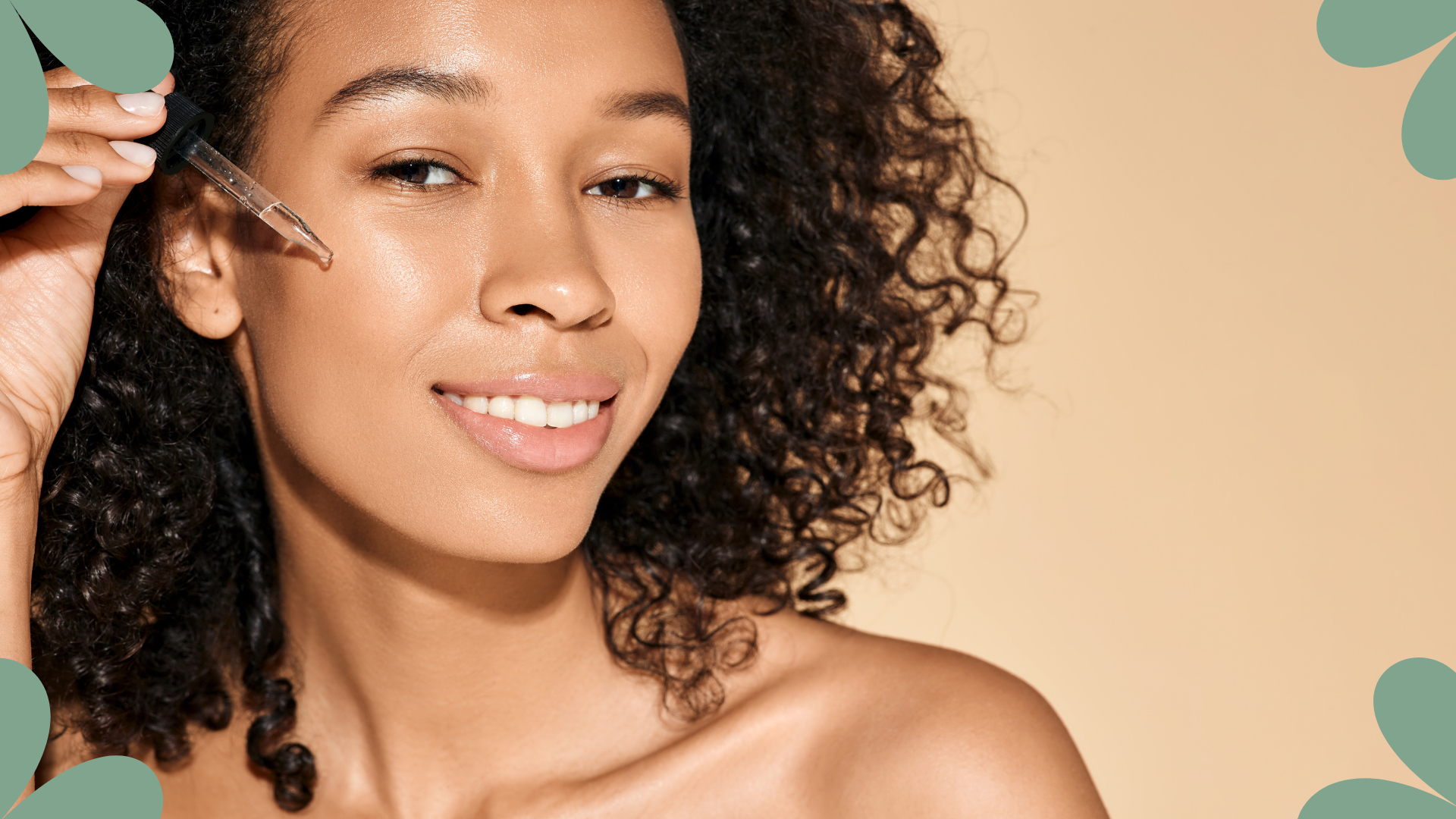
Hyaluronic acid has become one of the most celebrated ingredients in skincare, praised for its impressive ability to hydrate, plump, and rejuvenate the skin. But what exactly does hyaluronic acid do for your face, and why should you consider incorporating it into your skincare routine?
In this article, we will explore the science behind hyaluronic acid, its benefits, how to use it effectively, and tips for choosing the right products—especially for those who prefer Fragrance-Free Skincare for Oily Sensitive Skin.
What Is Hyaluronic Acid?
Hyaluronic acid (HA) is a naturally occurring molecule found in our skin, connective tissues, and eyes. It is a humectant, meaning it has the remarkable ability to attract and hold onto water molecules—up to 1000 times its own weight. This property helps keep the skin hydrated, plump, and youthful.
As we age, the natural production of hyaluronic acid decreases, which contributes to dryness, fine lines, and loss of skin elasticity.
How Does Hyaluronic Acid Benefit Your Face?
| Benefit | Description | Impact on Skin |
|---|---|---|
| Deep Hydration | Attracts and retains moisture | Keeps skin moisturized and supple |
| Skin Plumping | Fills in fine lines and wrinkles | Reduces visible signs of aging |
| Enhanced Elasticity | Supports collagen production | Improves skin firmness and texture |
| Soothing and Calming | Gentle on skin, reduces irritation | Ideal for sensitive skin types |
| Lightweight & Non-Greasy | Absorbs quickly without clogging pores | Suitable for all skin types, including oily skin |
Why Hyaluronic Acid Is Essential for Facial Skincare
Hyaluronic acid is a universal hydrator, making it a crucial component in many skincare routines. Here’s why it stands out:
-
Hydration Powerhouse: Because it holds so much water, HA can help combat dryness and keep skin looking fresh throughout the day.
-
Non-Irritating: It is generally well-tolerated by all skin types, including sensitive and acne-prone skin.
-
Boosts Skin Barrier: Proper hydration supports the skin’s natural barrier, protecting against environmental damage and pollution.
-
Improves Makeup Application: Well-hydrated skin creates a smoother canvas for makeup, reducing flakiness and patchiness.
How to Use Hyaluronic Acid on Your Face
For optimal results, it’s important to apply hyaluronic acid correctly:
-
Cleanse Your Face: Start with a clean face to remove dirt and oils.
-
Apply on Damp Skin: HA works best when applied to slightly damp skin to lock in moisture.
-
Use a Small Amount: A few drops of serum are enough for the entire face.
-
Follow With a Moisturizer: Seal in hydration with a moisturizer to prevent moisture loss.
-
Layer Properly: If you use other serums, apply hyaluronic acid first for better absorption.
Who Should Use Hyaluronic Acid?
-
Dry Skin: Perfect for replenishing lost moisture.
-
Oily and Acne-Prone Skin: Lightweight formula won’t clog pores.
-
Sensitive Skin: Soothes without irritation, especially when combined with Fragrance-Free Skincare for Oily Sensitive Skin.
-
Aging Skin: Helps reduce the appearance of fine lines and wrinkles.
Common Hyaluronic Acid Skincare Products
| Product Type | Description | Usage Tips |
|---|---|---|
| Serums | Concentrated formulas for intense hydration | Apply before moisturizer |
| Moisturizers | Hydrating creams with added HA | Use daily for long-lasting moisture |
| Masks | Sheet or gel masks infused with HA | Use 1-2 times weekly for extra hydration |
| Eye Creams | Targeted hydration for delicate under-eye skin | Apply gently to avoid irritation |
Hyaluronic Acid and Other Skincare Ingredients
Hyaluronic acid pairs well with many ingredients, but some combinations are especially effective:
-
Vitamin C: Enhances brightening and antioxidant protection.
-
Niacinamide: Supports skin barrier and improves texture.
-
Ceramides: Strengthen skin and lock in hydration.
-
Retinol: Combats aging; HA reduces dryness caused by retinol use.
Tips for Choosing Hyaluronic Acid Products
When shopping for hyaluronic acid skincare, consider these tips:
-
Check Concentration: Products with 0.5% to 2% HA are effective and safe.
-
Avoid Fragrances: Especially important if you have oily or sensitive skin—look for Fragrance-Free Skincare for Oily Sensitive Skin.
-
Look for Multi-Weight HA: Different molecular weights penetrate various skin layers for comprehensive hydration.
-
Patch Test: Try a small amount first to ensure compatibility with your skin.
FAQs About Hyaluronic Acid
Q1: Can hyaluronic acid cause breakouts?
No, it is non-comedogenic and safe for acne-prone skin.
Q2: How often should I use hyaluronic acid?
Daily use, both morning and night, is recommended for best results.
Q3: Can I use hyaluronic acid with retinol?
Yes, hyaluronic acid helps reduce dryness and irritation caused by retinol.
Q4: Is hyaluronic acid suitable for oily skin?
Absolutely, its lightweight texture hydrates without adding oiliness.
Q5: Can hyaluronic acid replace moisturizer?
No, it should be followed by a moisturizer to lock in hydration.
Conclusion
Understanding what hyaluronic acid does for your face reveals why it’s a must-have ingredient in any effective skincare routine. From deep hydration to anti-aging benefits, hyaluronic acid supports skin health in multiple ways without causing irritation or heaviness.
For those with sensitive or oily skin, pairing hyaluronic acid with Fragrance-Free Skincare for Oily Sensitive Skin can maximize benefits while minimizing risks of irritation or breakouts.
By choosing the right products and applying them properly, you can enjoy plumper, smoother, and healthier-looking skin every day.


