


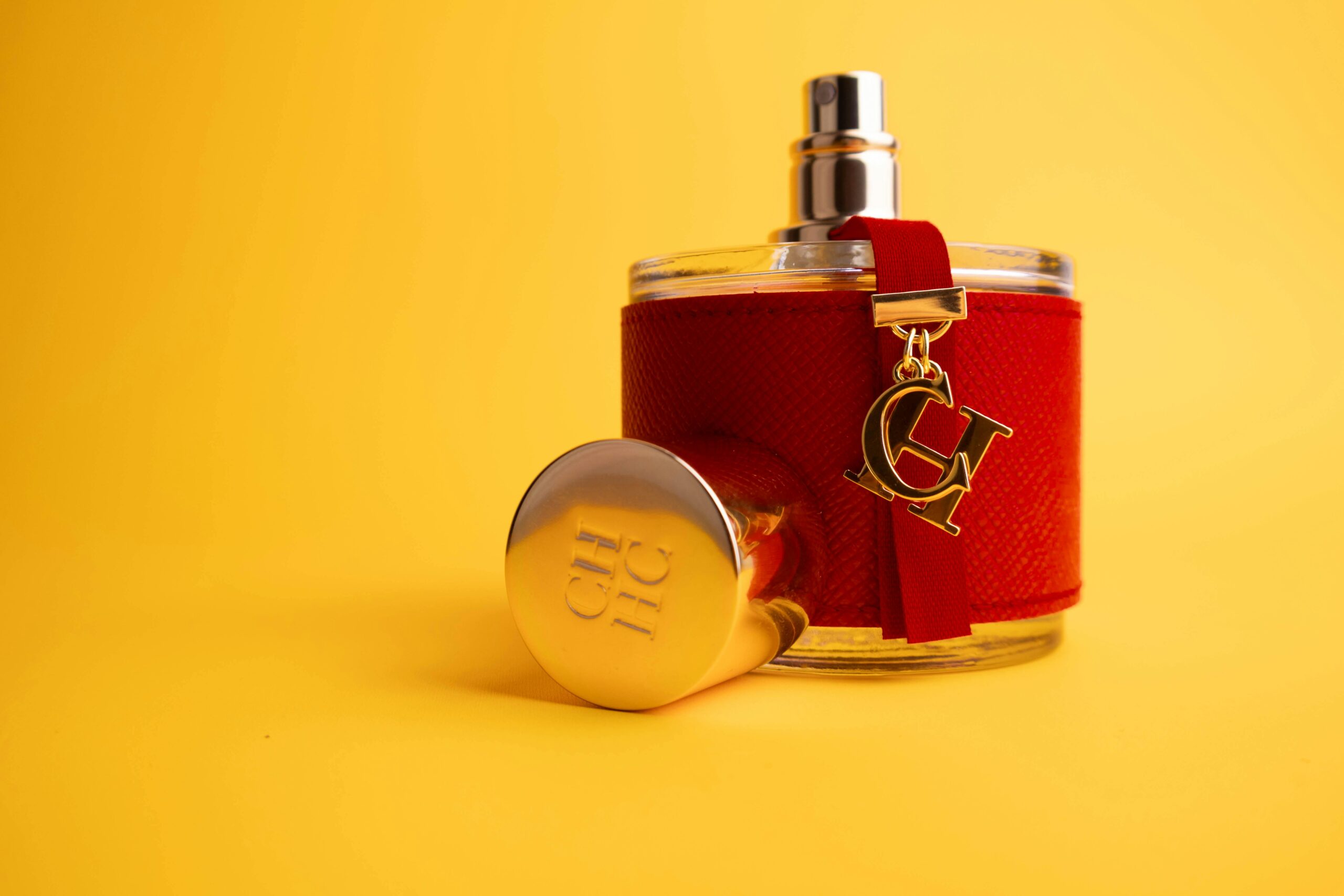
We have all experienced that fleeting moment on a busy street: walking past a stranger and being captivated by a trailing scent so distinct, you almost turn around to ask what it is. This reaction is rarely accidental. Psychologists note that our sense of smell is the most direct link to emotional memory, capable of transporting us back to a specific summer vacation or recalling a loved one faster than any photograph. In the world of high-end fragrance, this time travel is an engineered art form, designed not just to cover odors, but to evoke a feeling.
However, stepping into a boutique to chase that experience often hits a barrier when facing a wall of $300 bottles. It raises a valid question: are you paying for a luxury brand logo, or is there a tangible difference in the liquid? True olfactory artistry distinguishes itself from mass-market commercial scenting through complexity and raw materials. A master perfumer treats a fragrance like a symphony, utilizing rare ingredients such as hand-harvested jasmine or aged oud to build a composition that changes and develops on your skin throughout the day. By learning to identify quality and craftsmanship, you can move beyond impulse buying to curating a signature scent wardrobe that feels like a personal investment rather than just an expense.
Designer Scents vs. Artisanal Houses: Knowing Exactly Where Your Money Goes
When you walk into a department store, you are usually greeted by familiar names like Gucci, Yves Saint Laurent, or Armani. These are designer fragrances, created by fashion houses where the perfume acts as an accessible entry point to a luxury lifestyle. However, a significant portion of that price tag funds celebrity campaigns, bottle manufacturing, and glossy magazine ads rather than the liquid inside. In contrast, niche or artisanal perfumery flips this equation. These houses generally lack clothing lines and instead focus almost entirely on the scent itself, treating fragrance as a primary art form rather than a brand accessory.
Designer houses such as Dior or Prada prioritize mass appeal to ensure high sales volume across the globe, relying on formulas that are pleasant but rarely challenging. Niche houses such as Le Labo or Diptyque prioritize ingredient quality and uniqueness, focusing budgets on rare raw materials like natural oud or iris butter and creative risk-taking, often resulting in limited batches.
While a designer scent is engineered to smell pleasant to millions of people simultaneously, an artisanal perfumer is given the freedom to pursue a singular, sometimes polarizing vision. They might recreate the specific smell of a dusty library or a campfire by the sea, prioritizing emotional resonance over marketability. Once you step away from the safety of mainstream counters, grasping the structure of these complex compositions becomes crucial.
The Music of Fragrance: How to Read an Olfactory Pyramid Like a Pro
Buying a perfume based solely on the first spritz is like judging a song by its opening chord; you miss the melody that follows. A fragrance is constructed as an olfactory pyramid where notes are arranged by volatility. The top notes hit you immediately; they are sharp, energetic, and engineered to hook you in those crucial first seconds at the counter. However, because they consist of small, fast-evaporating molecules, they often vanish within twenty minutes, clearing the stage for the scent’s true personality.
Once the initial rush fades, the fragrance settles into its core structure. This evolution reveals the heart, which carries the main theme, followed hours later by the base, the lingering rhythm that adheres to your skin. Top notes typically consist of volatile citrus such as bergamot or lemon, light fruits, and fresh herbs. Heart notes carry the core character through florals, spices, or heavier fruits. Base notes are long-lasting fixatives like woods, resins, vanilla, and musk.
This progression is the best defense against buyer’s remorse. A linear fragrance will smell identical from spray to shower, while a complex scent relies on high-quality raw materials to shift and morph, reacting to your body heat over time. If you love the citrus opening but dislike the woody dry-down that emerges four hours later, knowing the pyramid structure saves you from a bad investment.
Eau de Parfum or Extrait? Selecting the Right Intensity for Your Lifestyle
Have you ever grabbed a bottle thinking it was your favorite, only to find the scent vanished within an hour? The confusion usually lies in the small print below the brand name, which indicates the ratio of aromatic oil to alcohol. Think of this scale like coffee strength: an Eau de Toilette is your morning Americano, light, airy, and diffuse, while an Extrait is a rich, dense espresso.
Choosing the right tier allows you to match the intensity to the occasion. Eau de Cologne, with a concentration of 2 to 5 percent, is fleeting and refreshing, meant for a quick pick-me-up. Eau de Toilette, at 5 to 15 percent, is the daily driver, offering moderate projection suitable for office environments. Eau de Parfum, at 15 to 20 percent, provides higher longevity that carries you from morning to evening. Extrait, at 20 to 40 percent, is the most precious form, sitting closer to the skin with massive staying power.
Higher concentrations often have lower projection because the oils are heavier, but they offer superior longevity. If you want your scent to last longer on skin, choose an Eau de Parfum and apply it over unscented lotion; hydrated skin holds fragrance much better than dry skin.
Why Rare Ingredients Like Oud and Orris Drive Luxury Prices
While concentration dictates strength, the soul of a luxury fragrance lies in the harvest. Mass-market brands often rely on synthetic notes, but high-end houses hunt for absolutes, which are highly concentrated oils extracted from delicate flowers through solvent extraction. The cost stems from yield rather than branding; it takes roughly 8,000 rose blooms to produce just one gram of rose absolute, turning the liquid inside the bottle into an agricultural investment rather than a mere cosmetic.
When you see a premium price, you are likely paying for one of several gold-standard elements. Orris butter is derived from iris roots that must dry for three to five years before processing, creating a powdery, creamy scent that costs more per ounce than gold. Real oud is a dark, resinous oil formed only when Aquilaria trees are infected with a specific mold, resulting in a complex, smoky scent profile that cannot be perfectly replicated in a lab. Grasse jasmine consists of flowers that must be hand-picked at dawn to preserve their volatile aroma molecules before the sun burns them off.
Unlike synthetic recreations, which usually smell identical on every person, these natural resins and absolutes react with your specific body heat and chemistry, making a first impression that can be misleading and leading to the most critical rule of luxury shopping: never trust the top notes.
The “Golden Hour” Rule: Why You Should Never Buy Perfume After the First Sniff
Impulse purchases in luxury perfumery usually happen within the first fifteen minutes, which is exactly when the fragrance is arguably being dishonest. The opening of a scent is often packed with volatile citrus or bright florals, which are marketing hooks designed to disappear quickly, while the true character takes nearly an hour to emerge. If you purchase based solely on that initial spray, you are essentially buying a movie ticket after only watching the trailer.
Navigating a department store also requires a strategy to combat olfactory fatigue, a condition where your nose temporarily stops registering smells after too much stimulation. Instead of spraying wildly, use paper blotters to narrow your options down to two or three favorites. Once you have filtered the selection, apply the winners to your wrists, as paper cannot replicate how a perfume reacts to your specific body heat.
A reliable four-step testing protocol works as follows. First, spray paper strips to filter out immediate dislikes. Second, apply top contenders to your wrists without rubbing them together, as friction crushes the delicate molecules. Third, leave the store to let the heart and base notes develop away from the confusing mix of counter smells. Fourth, if the lingering scent still appeals to you the next morning, it is a worthy investment.
The Chemistry of You: Why the Same Perfume Smells Different on Everyone
It is a frustrating paradox when a fragrance that smells like fresh jasmine on your best friend transforms into something unpleasant on your own wrist. This phenomenon occurs because your skin is a living chemical ecosystem defined by pH balance, diet, and even medication, all of which interact with the perfume’s oils to alter the final aroma. A more acidic skin surface tends to strip away delicate floral top notes faster, emphasizing heavier base ingredients, whereas alkaline skin might hold onto sweetness longer.
Moisture levels play an equally critical role in how a luxury investment performs throughout the day. Fragrance molecules crave lipids to anchor themselves, meaning that oily skin naturally holds perfume better and projects it louder than dry skin. If you struggle with longevity, simply adding an unscented moisturizer can create the lipid barrier needed to trap those volatile oils, turning a fleeting two-hour fragrance into an all-day companion.
Maximum Projection: How to Make Your Luxury Scent Last 8+ Hours
Instinct often drives us to rub our wrists together after spraying, yet this friction creates heat that physically alters the fragrance profile. This phenomenon, known as scent bruising, effectively burns off the crisp top notes before they can settle. Instead of forcing the dry-down, patience allows the alcohol to evaporate naturally, leaving the pure oil to interact with your specific skin chemistry.
Protecting your investment also requires treating the bottle with the same care as a fine wine. Humidity and sunlight trigger oxidation, a chemical breakdown that turns a sparkling scent sour or flat. Proper storage involves keeping bottles in their original boxes or a cool, dark drawer to ensure the liquid remains stable for years.
To maximize your investment, rely on three fundamental techniques. Apply an unscented lotion base first to grip the oils and prevent rapid evaporation. Target pulse points such as the collarbone for maximum sillage and the inner elbows to trap heat. Finally, tap wrists gently if you must transfer scent, but never grind them together.
Your Signature Scent Strategy: How to Build a Fragrance Wardrobe That Commands Attention
You have moved past simply looking for something that smells nice to appreciating the complex narratives spun by artisanal perfume houses. Instead of hunting for a single holy grail, consider building a fragrance wardrobe that covers your life’s essential rhythms. A professional scent should be a clean, lower-projection citrus or fresh fragrance for daily confidence. An evening scent should be a higher-concentration fragrance with deep woods or spices for lasting impact. A personal scent should be something unique, perhaps even challenging, that speaks strictly to your own memories and joy.
Luxury perfumes are not defined by the logo, but by the emotional landscape inside the bottle. Before making your next investment, ask yourself whether the scent evolves on your skin over four hours and whether you can identify the transition from top to base. If the answer is yes, you have not just bought a product; you have acquired a piece of liquid art that tells your story.


