


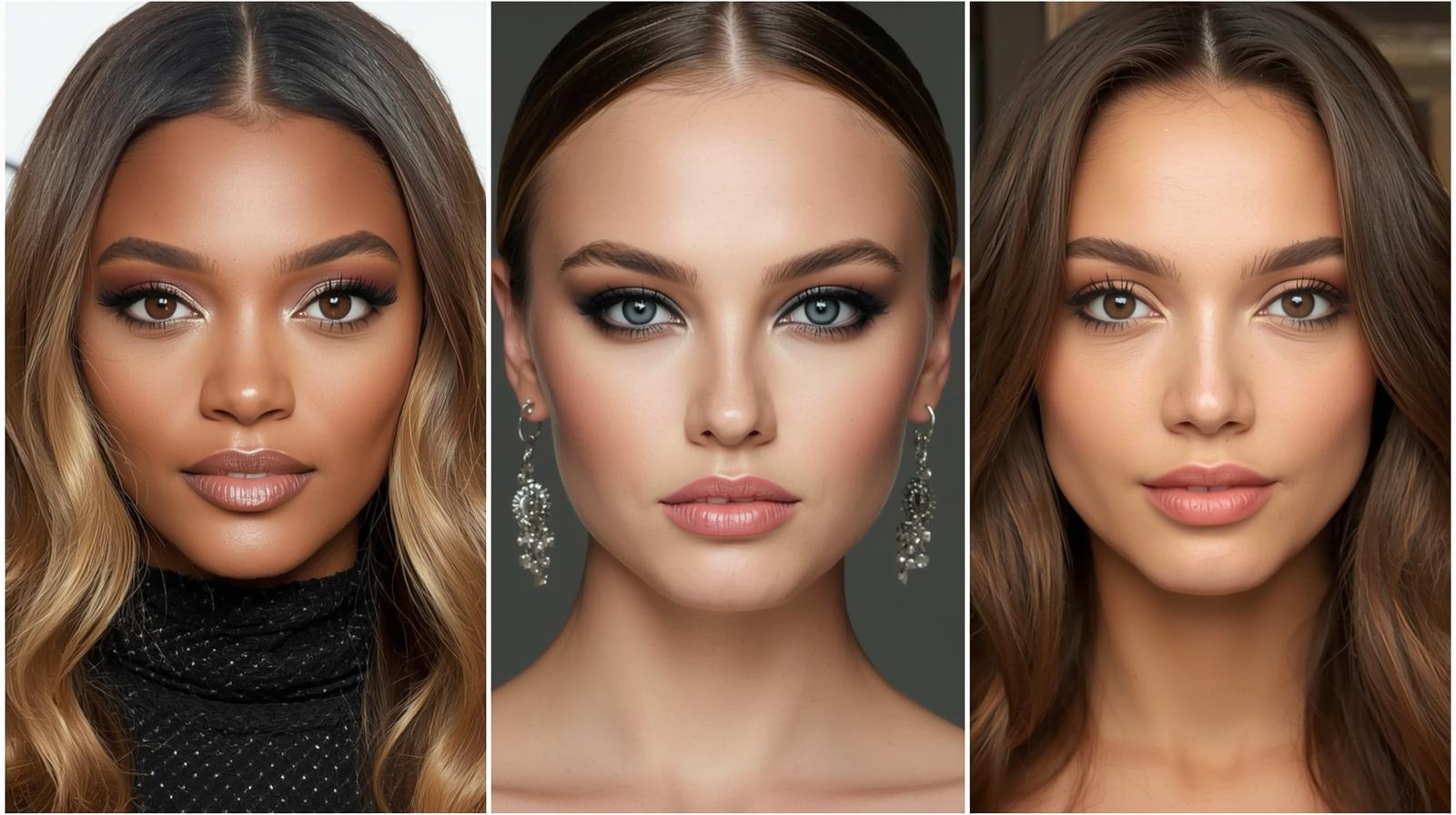
In an era where self-expression through beauty has become a powerful tool for identity and empowerment, understanding how to enhance your natural features with makeup is more than just a skill—it’s an art form. Whether you’re a wellness product developer aiming to align your offerings with modern beauty trends, a lifestyle magazine editor seeking to connect with a beauty-savvy audience, or a health and wellness coach helping clients feel their best, this guide will illuminate the ways makeup can be a transformative tool in self-care and personal expression.
The first step in any beauty routine is understanding your skin. A well-established skincare routine sets the canvas for makeup application. This involves cleansing, exfoliating, moisturizing, and applying sunscreen to protect your skin from harmful UV rays. A healthy skin base not only makes makeup application smoother but also enhances the overall glow of your complexion.
The Importance of a Skincare Routine
A consistent skincare routine is pivotal for maintaining healthy skin, which in turn supports the effectiveness of makeup products. Regular cleansing removes dirt and impurities, while exfoliation helps to clear away dead skin cells, revealing a brighter skin tone. Moisturizing ensures that your skin remains hydrated, preventing dryness and flakiness.
This foundational routine is essential for anyone involved in product development within the wellness industry, as it highlights the importance of products that not only enhance beauty but also nurture the skin.
Techniques for Highlighting Natural Features
Makeup is a versatile medium, and when applied skillfully, it can accentuate your best features. Here are some techniques to help you glow up and enhance your natural beauty:
Contouring and Highlighting
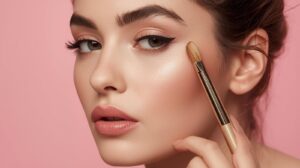
Contouring and highlighting are techniques used to define and emphasize the structure of your face. By applying a contour shade slightly darker than your skin tone to the hollows of your cheeks, jawline, and sides of the nose, you can create the illusion of depth. Conversely, applying a highlighter to the high points of your face—such as the cheekbones, brow bones, and the bridge of the nose—brings forward these features, adding dimension and a radiant glow.
Defining the Eyes
The eyes are often considered the focal point of the face, and enhancing them can dramatically change your appearance. Start with an eyeshadow primer to ensure your eyeshadow stays put and looks vibrant throughout the day. Choose shades that complement your eye color and skin tone.
Eyeliner can be used to define the lash line, making the eyes appear larger. Experiment with different styles, such as a classic wing or a soft smudge, to see what best enhances your eye shape.
Sculpting the Brows
Well-groomed eyebrows frame the face and can enhance your overall appearance. Use an eyebrow pencil or powder to fill in sparse areas, creating a natural yet defined look. Brush through with a spoolie to blend the product and set the brows in place with a clear or tinted brow gel.
Embracing the Power of Color
Choosing the right colors for your makeup can significantly impact your overall look. Colors can convey mood, complement your features, and even influence your perceived personality traits.
Lip Color Selection
The color of your lipstick can serve as a statement or a subtle enhancement. For a bold look, opt for a vibrant red or a deep plum. If you prefer something more understated, choose a nude or soft pink that complements your natural lip color.
Blush and Bronzer
Blush adds a healthy flush to the cheeks, while bronzer can provide a sun-kissed glow. When selecting a blush, consider your skin’s undertone to find a shade that looks natural. Apply bronzer to the areas where the sun would naturally hit your face, such as the forehead, cheeks, and nose.
The Role of Makeup in Wellness and Identity
Makeup is more than just a tool for enhancing physical appearance; it’s a form of self-expression and identity. In recent years, the wellness industry has increasingly recognized the role of beauty routines in promoting mental health and self-confidence. Makeup can be a ritual that provides comfort, creativity, and a sense of control.
The Emotional Impact of Beauty Rituals
For many, the act of applying makeup is a meditative practice that allows for reflection and self-care. It is a moment to connect with oneself and set intentions for the day. This aspect of beauty can be particularly relevant for health and wellness coaches who aim to help clients develop holistic approaches to well-being.
Future Trends in Beauty and Wellness
As the beauty industry continues to evolve, several trends are emerging that emphasize sustainability, inclusivity, and innovation. Wellness product developers can look to these trends to guide product design and marketing strategies.
Sustainable Beauty
Consumers are increasingly seeking products that are environmentally friendly and sustainably sourced. This includes makeup products with eco-friendly packaging and formulations that are free from harmful chemicals.
Inclusive Beauty
The push for inclusivity in the beauty industry has led to a broader range of products that cater to diverse skin tones and types. This trend reflects the growing acknowledgment of beauty’s role in personal identity and expression.
Technological Integration
Advancements in technology are reshaping how consumers interact with beauty products. Virtual try-ons and personalized beauty recommendations are just a few ways technology is enhancing the consumer experience.
Conclusion
Makeup techniques that enhance your features are a powerful way to express identity and embrace personal beauty. By understanding the interplay between skincare, technique, and color, individuals across various fields—from wellness product developers to lifestyle magazine editors—can gain insights into the transformative role of beauty in modern life.
As you explore these techniques, consider how they align with broader wellness trends and the cultural significance of beauty as a form of self-expression. This understanding not only enhances personal well-being but also informs the development of products and content that resonate with contemporary audiences.


